39 Weeks: Prepare Your Body for Natural Labor
At 39 weeks pregnant, learn gentle and natural ways to prepare your body for labor. Discover signs of readiness, beneficial movements, nutrition, and rest tips.
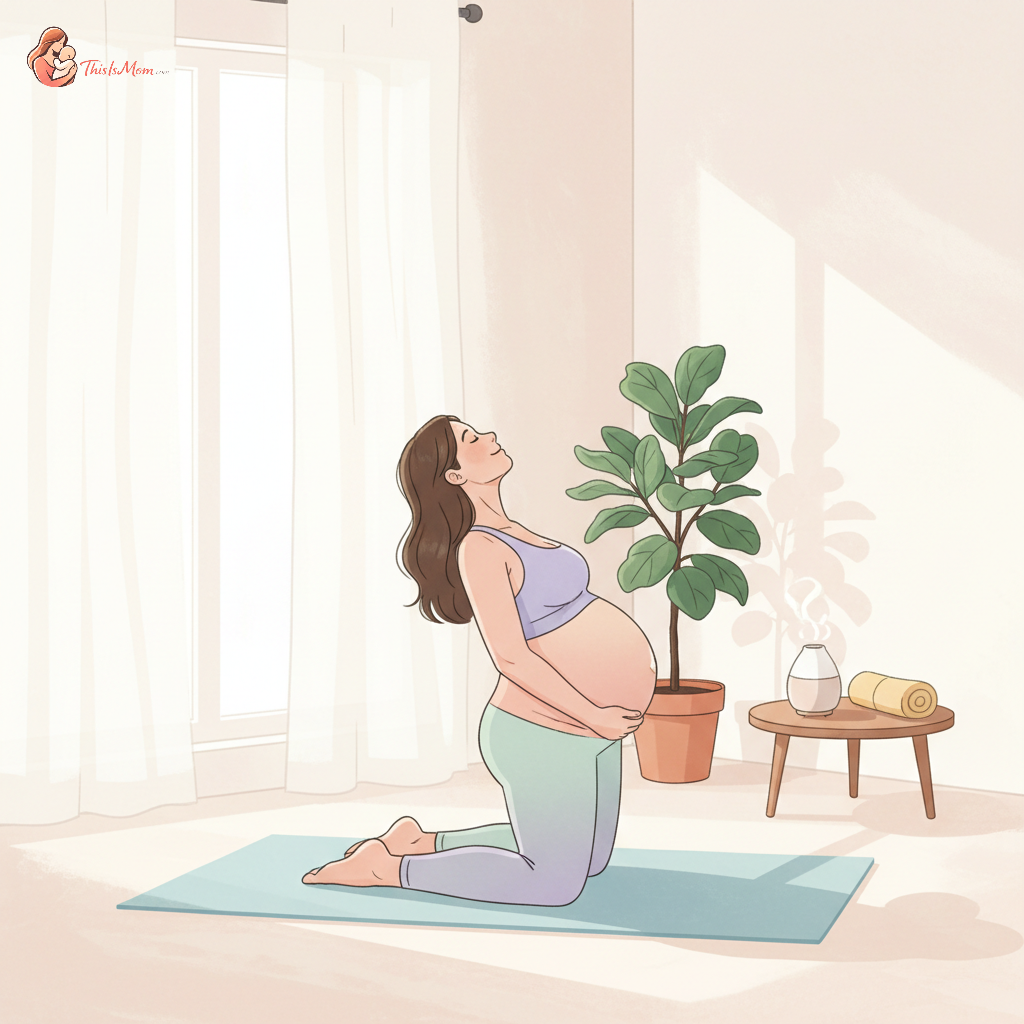
39 Weeks Pregnant: Gentle Ways to Nurture Your Body for Labor
It's completely normal to wonder what you can do in these final days of your pregnancy, especially as you hit 39 weeks. You're likely eager for your baby to arrive, and your mind might be buzzing with questions about how to prepare your body for natural labor at 39 weeks. This is a time of immense anticipation, where you're looking for ways to support your body as it moves towards birth, rather than forcing it. The focus is often on nurturing readiness and trusting the incredible process your body is undergoing.
Your Body at 39 Weeks: A Season of Readiness
This week marks a significant milestone. Your baby is now considered full-term, meaning they are developed enough to survive outside the womb. This can bring a wave of emotions, from excitement to a touch of impatience. It's a season of waiting, but also a season of immense preparation happening within you.
The Art of the Wait: Cultivating Patience
The "waiting game" can feel intense. It's important to remember that your body knows exactly what it's doing, even when it doesn't feel like it. Cultivating patience and a positive mindset can make this final stretch feel more manageable. Trusting in the timing of your body's own cues rather than a calendar date is a powerful approach.
Whispers of Imminent Birth: Signs Your Body is Preparing
Your body is likely sending subtle signals that labor is approaching. While these aren't a guarantee of immediate action, they are signs of progress. You might notice:
- Lightening: You may feel the baby drop lower into your pelvis, making it easier to breathe but potentially increasing pelvic pressure.
- Cervical Changes: Your midwife or OB provider may have noted that your cervix is starting to soften, thin out (efface), or open slightly (dilate). This is a sign of readiness.
- Increased Pelvic Pressure: As the baby settles deeper, you might feel more pressure in your pelvis and hips. Dealing with pregnancy pelvic pain that makes walking impossible? Discover practical relief strategies, daily living modifications, and when to seek professional help to manage severe PGP/SPD. Pregnancy Pelvic Pain Makes Walking Impossible: 10 Relief Tips
- Changes in Vaginal Discharge: You might notice an increase in clear, watery discharge, or a thicker, mucusy discharge, sometimes tinged with pink or brown (the "bloody show"). Learn to distinguish normal pregnancy discharge vs. infection. Pregnancy Discharge: Infection vs. Normal? Key Signs
- Nesting Instinct: A sudden urge to clean, organize, and prepare your home for the baby's arrival is common.
Moving with Intention: Supporting Your Body's Natural Dance
Gentle movement can be incredibly helpful in these last few weeks. The goal isn't to force labor, but to encourage your baby into an optimal position and to keep your body supple and strong.
Grounding Movement for Baby's Position
Activities that encourage your baby to descend into the pelvis and face downwards (occiput anterior position) can be beneficial. This is often referred to as getting baby out naturally through optimal positioning.
- Pelvic Tilts: On your hands and knees, gently rock your pelvis forward and backward, like a cat arching its back. This helps to open your pelvis and can encourage your baby to shift.
- Child's Pose: A restful pose that can also create space in the pelvis.
- Side-Lying: Spending time resting on your side can take pressure off your hips and create more room for your baby.
The Power of Walking and Stair Climbing
Walking is one of the best ways to keep your body moving and can help your baby engage more deeply in the pelvis. The rhythmic motion can encourage contractions. Stair climbing, done slowly and mindfully, can also help promote pelvic opening. Don't overdo it – listen to your body and rest when needed. These are simple, yet effective, natural ways to go into labor when the time is right.
Prenatal Yoga, Stretching, and Serenity
Prenatal yoga offers a beautiful way to connect with your body and breath. Poses designed for pregnancy can promote flexibility, strength, and relaxation. Gentle stretching throughout the day can release tension in your hips, back, and shoulders, areas that will be crucial during labor. Learn how to effectively explain a doula's role to skeptical family members. Explain Doula's Role to Skeptical Family: 5 Ways to Convince Them
Focusing on deep breathing techniques learned in prenatal yoga can also be a powerful tool. These practices help to calm your nervous system, which is essential for labor to progress smoothly.
Nourishing Your Being: Fuel for the Journey Ahead
What you eat and drink in these final days plays a role in supporting your energy levels and overall well-being, rather than directly triggering labor. Think of it as fueling for endurance.
Foods for Strength and Sustenance
Focus on nutrient-dense foods that provide sustained energy.
Discover your baby's phase
- Complex Carbohydrates: Whole grains, fruits, and vegetables supply steady energy.
- Healthy Fats: Avocados, nuts, and seeds offer essential nutrients.
- Lean Proteins: Chicken, fish, beans, and tofu provide building blocks for your body and your baby.
While some foods are commonly discussed as foods to induce labor at 39 weeks, the most impactful approach is to nourish yourself for the work ahead. Your body needs strength and stamina for labor and postpartum recovery.
Hydration: The Unsung Hero
Staying well-hydrated is absolutely critical. Dehydration can lead to fatigue and might even contribute to Braxton Hicks contractions. Aim to drink plenty of water throughout the day. Herbal teas (other than raspberry leaf tea, discussed below) and broths can also contribute to your fluid intake.
Red Raspberry Leaf Tea: A Traditional Companion
Red raspberry leaf tea has a long history of use during late pregnancy. It's traditionally believed to tone the uterine muscles, potentially making them more efficient during labor. Research is mixed on its direct labor-inducing effects, but many find it a supportive and comforting drink. Speak with your care provider about whether it's a good option for you.
The Gentle Power of Rest and Rejuvenation
In the final weeks, rest isn't a luxury; it's a vital part of your preparation. Your body is working hard, and it needs to replenish its energy reserves.
Prioritizing Sleep's Sweet Embrace
Aim for as much sleep as you can get, even if it's in shorter bursts. Experiment with different sleeping positions – side-lying with pillows for support is often most comfortable. Creating a calm, dark, and quiet sleep environment can significantly improve your rest quality. This rest is essential for building the stamina needed for labor. Learn how to gently transition your newborn from swaddling to arms-out sleep with our step-by-step guide. Newborn Swaddle to Arms Out: A 3-Step Transition Guide
Navigating Anxiety and Embracing Your Feelings
It's entirely normal to feel a mix of emotions – excitement, anxiety, impatience, peace. Acknowledge these feelings without judgment. Deep breathing, gentle meditation, or talking with a trusted friend or partner can help manage any worries. Remember, you are capable and strong.
Crafting a Sanctuary for Labor's Unfolding
Think about creating a calming environment that you can draw upon when labor begins. This might involve preparing a playlist of soothing music, gathering comfortable blankets and pillows, or setting up a space with dim lighting. The goal is to create a sense of safety and peace, allowing your body to surrender to the birthing process. These are ways to induce labor naturally by fostering a state of calm.
Listening Closely: When to Connect with Your Birth Team
While you're focusing on preparing your body, it's also important to know the signs that warrant a call to your OB or midwife.
Distinguishing the Tugs of Labor
Braxton Hicks contractions are your body's practice runs; true labor contractions are more regular, become stronger, and closer together over time. If you're unsure, timing your contractions is key: are they coming every 5 minutes, lasting a minute each, for a full hour? However, this "5-1-1 rule" is a guideline, and your provider will give you specific instructions. Always call if you are experiencing consistent, painful contractions, or if anything feels concerning.
Recognizing Important Signals
- Water Breaking: If your "water breaks," meaning your amniotic sac ruptures, contact your provider immediately. Note the color and amount of fluid.
- Bleeding: Any bright red bleeding more than spotting should be reported.
- Decreased Fetal Movement: If you notice a significant change or decrease in your baby's usual movement patterns, contact your provider.
Trusting Your Inner Wisdom
Ultimately, your intuition is your most powerful guide. You know your body and your baby best. If something feels off, or if you have a strong feeling that it's time to check in, don't hesitate to call your OB or midwife. They are there to support you every step of the way.