Sterilize Haakaa: 3 Easy Ways Without Boiling (Mom's Guide)
Learn how to sterilize your Haakaa breast pump without boiling! Discover quick microwave, steam, and cold water methods for busy moms.
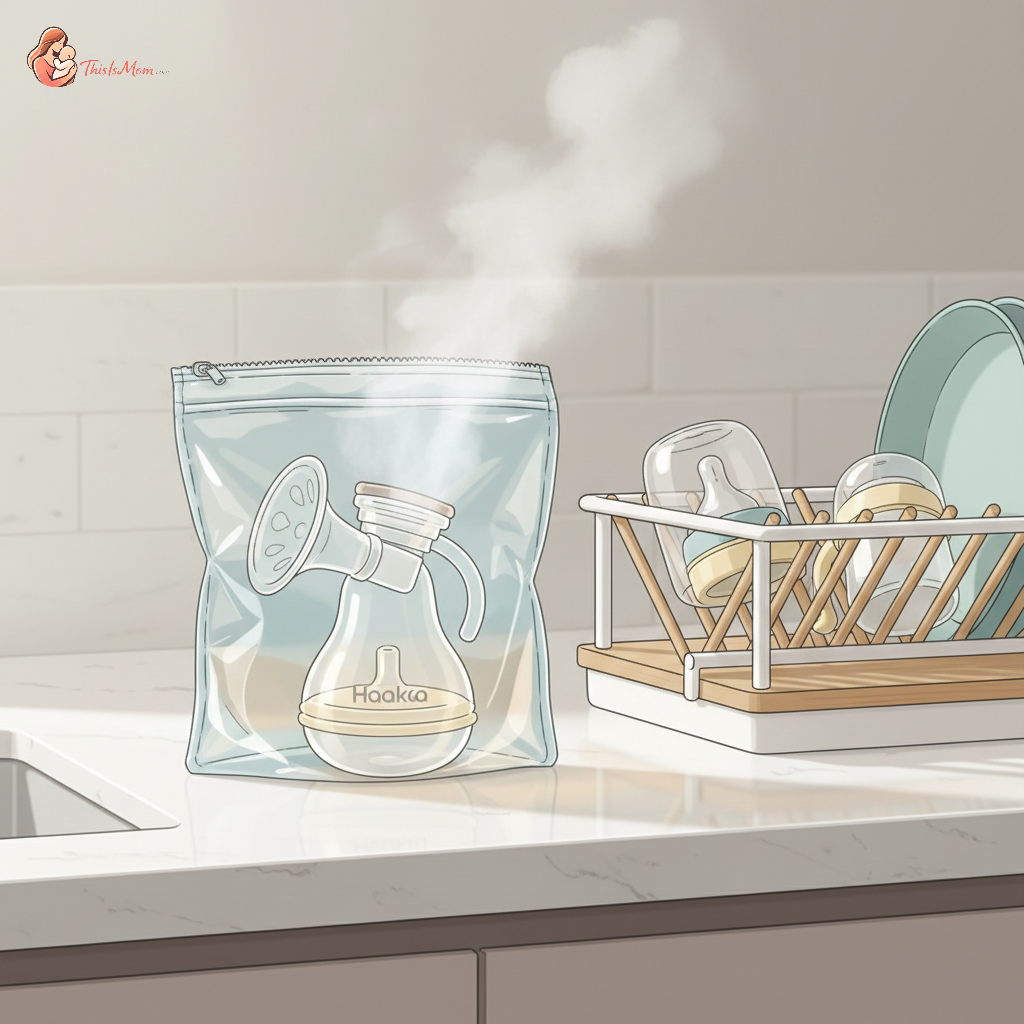
Sterilize Your Haakaa Without the Boil: Lifesaver Hacks for Moms on the Go
It was 5:12 a.m. and I was wrestling with a Haakaa. Noah was finally asleep, but my brain was already running a million miles a minute, cataloging the day's to-dos. Somewhere between mentally prepping breakfast and wondering if I'd ever sleep a full eight hours again, I remembered: Did I sterilize my Haakaa last night? The bubbling pot on the stove felt like a whole production I just didn't have the energy for.
As a first-time mom, I quickly learned that "easy" is the golden ticket. Anything that adds too many steps or too much time feels like a personal attack from the universe. When keeping your breast pump parts clean and safe for your little one, we need solutions that fit into our chaotic lives, not add to them.
This is the real talk about how to sterilize your Haakaa breast pump without boiling. Because honestly, who has time for that endless pot of water when there are babies to feed, diapers to change, and maybe, just maybe, five minutes of quiet to drink lukewarm coffee?
Why Sterilizing Your Haakaa Matters (Beyond Just Cleaning)
You wash it every day, right? So what's the big deal with sterilizing? It feels like an extra step when you're already drowning in laundry and spit-up rags.
Cleaning vs. Sterilizing: What's the Difference?
Cleaning is what you do after every single use. It's about removing milk residue and getting it ready for the next time. Think soap and hot water getting all the visible gunk out.
Sterilizing, on the other hand, is about killing the tiny, invisible germs and bacteria that cleaning alone might miss. It’s the extra layer of protection to ensure what goes into your baby’s tummy is as safe as humanly possible. Most pediatricians and organizations like the CDC recommend that for baby feeding items, especially for young infants, sterilization is key.
How Often Should You Sterilize Your Haakaa?
The general recommendation is to sterilize all breast pump parts, including your Haakaa, at least once a day. When Noah was a newborn, I was extra diligent, sterilizing after every single use for those first few weeks. As he got a bit older, sticking to a daily sterilization routine for the Haakaa became my manageable goal. If you plan to transition from breast milk to formula without engorgement, maintaining proper hygiene for all feeding equipment remains paramount.
If your baby is under three months old, has been sick, or has a weakened immune system, you’ll want to be even more vigilant. Always follow the guidance of your pediatrician regarding infant health and hygiene.
Microwave Sterilization: Quick & Convenient Haakaa Care
This became my go-to method for a few reasons. It’s fast, efficient, and I didn’t need any fancy gadgets beyond what I already had.
Using a Microwave Sterilizer Bag for Your Haakaa
Forget about lugging out a big pot. You can get these amazing reusable microwave sterilizer bags. They’re designed to create steam inside your microwave, which sterilizes whatever you put in them. You just rinse your Haakaa, pop it in the bag with a little bit of water, seal it, and microwave for the time specified on the bag.
Step-by-Step Guide for Microwave Sanitization
- Rinse: After each use, rinse your Haakaa under cool water, then wash with hot, soapy water.
- Load: Place the clean Haakaa into your sterilizer bag. Add the amount of water recommended by the bag manufacturer.
- Seal: Close the bag securely.
- Microwave: Place the bag in the center of your microwave. Heat on high for the recommended time (usually 1.5–3 minutes, depending on the bag and microwave wattage).
- Cool: Carefully remove the bag from the microwave (it will be hot!) and let it cool for a few minutes before opening. Use tongs to remove the Haakaa.
- Dry & Store: Allow the Haakaa to air dry completely on a clean surface or drying rack before storing it.
This is a game-changer for sterilizing Haakaa in the microwave without any fuss.
Steam Sterilizers: Effortless Haakaa Sanitization
If you’re already using a bottle sterilizer for your baby’s bottles, the good news is you can likely use it for your Haakaa too!
Discover your baby's phase
Electric Steam Sterilizers for Breast Pump Parts
These countertop appliances are super popular for a reason. You fill them with water, place your items inside, and press a button. They use steam to sterilize everything in a matter of minutes. They're efficient and don't require constant monitoring. This is a practical solution for many parents, especially when dealing with managing combo feeding guilt while returning to work.
Can You Use a Baby Bottle Sterilizer for Your Haakaa?
Absolutely! Most electric steam sterilizers are designed to accommodate a variety of baby feeding items, including bottles, nipples, pacifiers, and, yes, breast pump parts like your Haakaa. Just make sure your Haakaa fits comfortably inside and that it will be exposed to the steam. Always check the manufacturer’s instructions for both your sterilizer and your Haakaa to ensure compatibility. This is a fantastic way if you're looking to sterilize Haakaa in a bottle sterilizer.
Cold Water Sterilization: A Simple, Chemical-Free Approach
Sometimes, you don't have access to a microwave or electric sterilizer, or you prefer not to use heat. Cold water sterilization is a lifesaver.
Using Sterilizing Tablets or Solutions Safely
You can buy cold water sterilizing tablets or solutions at most baby stores. You fill a clean basin or container with water, add the tablet or solution, and then submerge your thoroughly cleaned Haakaa. This method is particularly useful if you're preparing pet for new baby's arrival during third trimester and need a quick, convenient way to manage hygiene while busy with other preparations.
The solution creates an environment where bacteria can't survive. You usually leave the items soaking for a specific amount of time, typically around 30 minutes, though this can vary by product. Make sure you follow the product’s instructions precisely.
Tips for Effective Cold Water Sterilization
- Clean First: Just like with other methods, the Haakaa must be thoroughly cleaned with soap and hot water before you start the cold water sterilization process.
- Use Fresh Water: Always use fresh tap water for your sterilizing solution. Don’t reuse the solution.
- Proper Dosing: Use the exact amount of tablets or solution recommended. Too little won't sterilize, and too much might leave residue.
- Air Dry: After the soaking time, carefully remove the Haakaa, rinse it with sterile or boiled cool water (if the product instructions suggest it), and let it air dry completely on a clean surface.
This method is a great option for how to clean Haakaa without boiling if you're traveling or simply want a break from heat.
Daily Cleaning & When to Call the Pediatrician
Sterilization is crucial, but it’s only one piece of the puzzle.
Cleaning Your Haakaa Between Uses (Soap & Water Basics)
Every single time you use your Haakaa, you’ll want to give it a good clean.
- Rinse: Immediately after use, rinse it out with cool water to remove as much milk residue as possible.
- Wash: Use hot, soapy water and a clean bottle brush to scrub all parts of the Haakaa. Get into all the nooks and crannies.
- Rinse Again: Thoroughly rinse with clean water.
- Air Dry: Let it air dry completely on a clean towel or drying rack.
Proper cleaning Haakaa between uses is the essential first step before you sterilize.
When to Discuss Pump Hygiene or Infant Health Concerns
If you notice any unusual smells or see any discoloration on your Haakaa, it might be time to replace it. Most silicone products have a lifespan, and it’s better to be safe. If you're concerned about toddler emotional regulation after too much screen time, remember that maintaining good hygiene with feeding equipment is just as important for overall infant well-being.
More importantly, if your baby has any signs of illness, or if you’re concerned about your milk supply, pump hygiene, or your baby’s overall health, don’t hesitate to reach out to your pediatrician or a lactation consultant. They are there to help guide you through these challenges and ensure you and your baby are thriving.