Stop Baby Pulling Up in Crib at Night: A US Parent's Guide
Learn how to stop your baby from pulling up and standing in the crib at night with expert tips for safety, sleep environment, and gentle training.
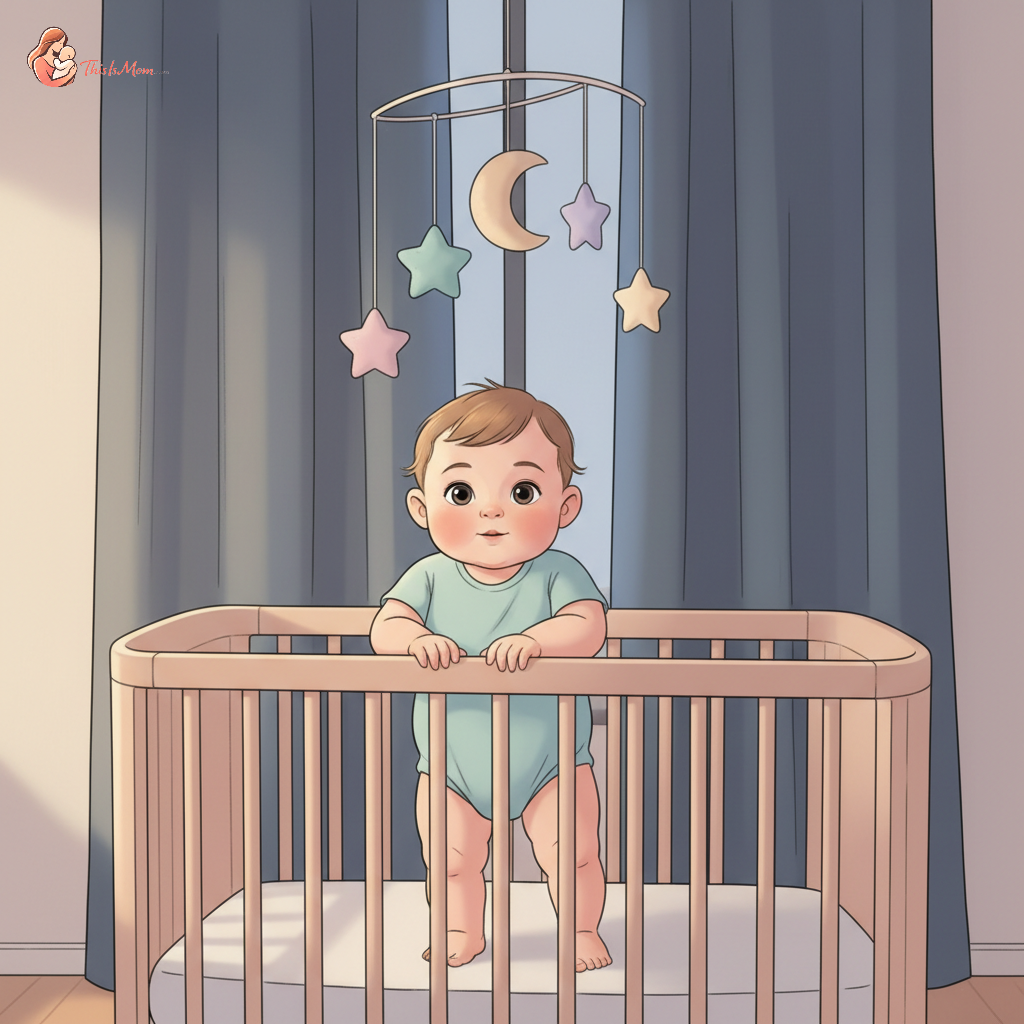
How to Stop Your Baby Pulling Up in the Crib at Night: A US Guide
Your baby has learned a new trick: pulling up to stand. While this is an exciting developmental milestone, a sign of growing strength and independence, it can significantly disrupt sleep when practiced in the crib at night. If you're wondering "How to stop my baby from pulling up in the crib at night?" this guide offers evidence-based strategies for US parents to navigate this common challenge.
The Exciting (and Exhausting) World of New Skills
Around 7 to 10 months of age, many babies begin to master pulling themselves up to a standing position. This is a natural progression of gross motor skills, building on the ability to crawl and cruise. They discover newfound mobility and enjoy practicing these new capabilities.
This newfound skill, while impressive, often clashes with nighttime sleep. Babies who can pull to stand may wake up in the crib and, instead of lying back down, remain standing. They might then cry for assistance or simply be unable to figure out how to return to a lying position independently. This is a common reason for sleep interruptions during this phase. If your baby is also struggling with pacifier-related night wakings, you might find relief with strategies outlined in Baby Pulling Out Pacifier at Night? Gentle Sleep Tips.
Creating a Safe and Calm Sleep Environment
Before addressing the behavior itself, ensuring the sleep space is safe and conducive to sleep is paramount. The American Academy of Pediatrics (AAP) emphasizes safe sleep practices, and as your baby gains new mobility, these recommendations may need slight adjustments.
Lowering the Crib Mattress
As soon as your baby can pull themselves to a standing position, it’s time to lower the crib mattress to its lowest setting. This is a crucial safety step. The AAP recommends lowering the mattress when your baby reaches a height of about 35 inches, or when the top of the crib rail is no higher than your child's chest. Lowering the mattress increases the distance between the top of the crib rails and the mattress, making it much harder for your baby to climb out.
Removing Climbable Objects from the Crib
To further enhance safety and prevent crib climbing, remove any items that could assist your baby in climbing over the rails. This includes:
- Stuffed animals (especially larger ones)
- Thick blankets or comforters
- Bumpers
- Toys
The safest crib, according to the AAP, contains only the baby and a fitted sheet on a firm mattress. Eliminating potential stepping stones is essential to prevent dangerous falls.
Optimizing the Room for Sleep
Beyond the crib itself, the overall sleep environment plays a significant role. Research suggests that a consistent, calm environment supports better sleep. Some parents struggle with their baby's sleep patterns due to external factors like screen time. For insights, you can explore Screen Light, Toddler Sleep & Behavior: Parent Guide.
- Darkness: Ensure the room is as dark as possible. Blackout curtains can be very effective. Darkness helps regulate the baby's internal sleep-wake cycle, promoting melatonin production.
- Temperature: The ideal room temperature for babies is typically between 68-72°F (20-22°C). A room that is too warm or too cool can lead to discomfort and disrupted sleep.
Tried-and-True Strategies for Nighttime Pulling Up
Once the sleep environment is optimized for safety and sleep, you can begin to address the behavior of standing in the crib. The key is consistency and patience.
Practicing Standing Skills During the Day
One of the most effective strategies is to allow your baby ample opportunity to practice their new standing skills during awake hours. When they stand in the crib at night, they are essentially practicing what they've learned. Providing supervised practice time throughout the day can help satisfy this developmental urge, potentially reducing the need to practice at night. Engage in games that encourage standing and cruising under your watchful eye.
Discover your baby's phase
The 'Crib Dive' or Teaching Baby to Sit Down
Many parents find success by gently teaching their baby how to get down from a standing position. This is often referred to as the "crib dive."
- When you find your baby standing in the crib, go to them calmly.
- Gently guide their legs to bend, helping them sit down.
- You can demonstrate by sitting down yourself and encouraging them to follow.
- Place them back in their crib in a lying position.
The goal is to teach them the skill of lowering themselves. This may take many repetitions. Consistency is key; each time they stand, gently guide them down. While this method can be effective, it requires significant parental effort and patience, especially if done multiple times a night.
Gentle Sleep Training Approaches for Standing
For parents exploring gentle sleep training methods, the approach to standing in the crib needs to be consistent with your overall sleep philosophy. If you're contemplating a transition from a co-sleeper to a crib, understanding how to manage sleep associations is key, and you can learn more about Transition Baby from Co-Sleeper to Crib in Their Own Room.
- Check-ins: If you are using a check-in method, your response when your baby stands should be consistent. Calmly go in, gently guide them to lie down, and leave. Avoid prolonged interaction or feeding unless it's a scheduled feeding time. The AAP notes that a parent’s presence can be reassuring, but the response should consistently guide the baby back to a lying position.
- Focus on Independent Sleep: The ultimate goal is for your baby to be able to fall back asleep independently. If they are standing and crying, it might indicate they are distressed or unable to self-soothe back to sleep from that position.
It’s important to differentiate between a baby who is happily standing and playing and one who is distressed. If your baby is crying and seems upset, offer comfort and assist them in lying down. If they are standing and seem content, the strategy of guiding them down is still advisable to teach them the skill, but the urgency might be less.
When to Call the Pediatrician
While learning to pull up is a normal developmental phase, there are times when seeking professional advice is warranted.
Addressing Persistent Sleep Issues or Safety Concerns
If you have implemented these strategies consistently and your baby continues to experience significant sleep disruption, or if you have serious safety concerns about crib climbing, it’s time to consult your pediatrician. They can help assess if there are underlying issues contributing to the sleep problems or offer tailored advice for your specific situation.
Discussing Regressions or Significant Changes in Behavior
Sometimes, increased night waking and difficulty settling can be signs of a sleep regression, which often coincides with developmental leaps. However, if you notice other significant changes in your baby’s behavior, such as changes in appetite, activity level, or overall demeanor, it’s always best to discuss these with your pediatrician. They can rule out any medical reasons for the changes.
Parent Survival Mode: Coping with Disrupted Sleep
This phase of development can be incredibly challenging for parents. Sleep deprivation is a real issue, and it’s important to have strategies for your own well-being. Some parents might also experience guilt when returning to work after leave, which can add to stress. For strategies on managing this, see Coping with Mom Guilt After Maternity Leave.
- Shift Sleep Schedules: If possible, take shifts with a partner to allow each of you to get a longer block of sleep.
- Nap When Baby Naps: This advice is classic for a reason. Even a short 20-30 minute nap can make a difference.
- Lower Expectations: Recognize that during this period, sleep may be more fragmented. Focus on safety and consistency rather than achieving perfect nighttime sleep.
- Seek Support: Talk to your partner, friends, family, or a support group. Sharing experiences can be incredibly validating and helpful.
Remember that this is a temporary phase. Your baby is learning, growing, and developing new skills. As they master the skill of getting down from standing, and as they continue to develop, the nighttime standing in the crib will likely decrease. Patience, consistency, and a focus on safety are your best tools to navigate this exciting, albeit sleep-disrupting, chapter.
It's a testament to your baby's incredible growth. While it means sleepless nights for now, it also means your little one is thriving. This too shall pass, and with a few adjustments and a lot of patience, you and your baby can get back to more restful nights. Always remember, your pediatrician is your best resource for personalized advice regarding your child's health and development.