Screen Light, Toddler Sleep & Behavior: Parent Guide
Discover how screen light impacts toddler sleep and can contribute to aggressive behavior. Learn science-backed strategies for parents to improve child rest and mood.
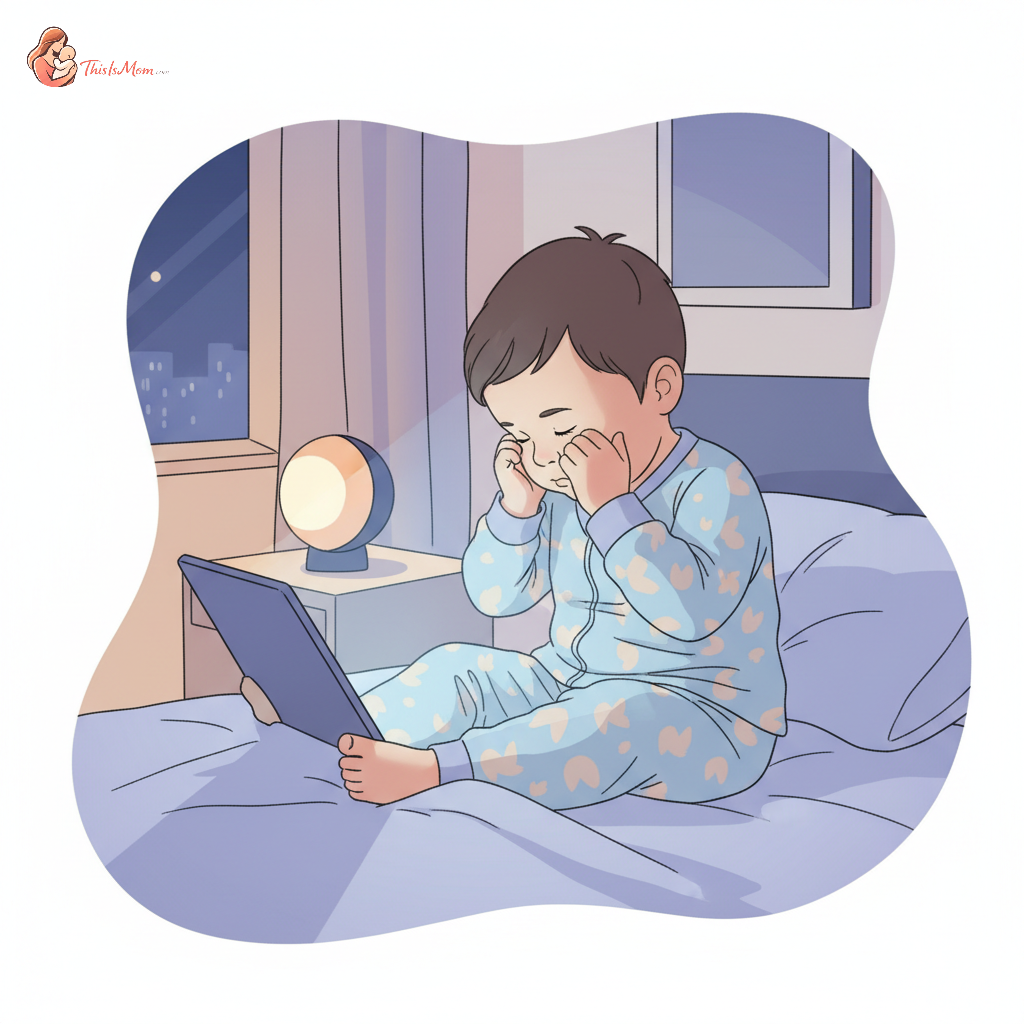
Screen Light, Toddler Sleep, and Behavior: What Parents Need to Know
Your toddler is finally asleep after a long day, but you're wondering if that last cartoon before bed contributed to their restless night and morning meltdowns. It's a common concern for parents today, and science is shedding light on how screen light affects toddler sleep and aggressive behavior more than we might realize.
As a mom who spent years immersed in healthcare research before trading spreadsheets for playdates, I understand the desire for clear, evidence-based answers. The American Academy of Pediatrics (AAP) and the Centers for Disease Control and Prevention (CDC) offer guidance, and I've been digging into the latest research to translate what it means for our families. Let's demystify how those glowing screens might be impacting your little one's sleep and behavior.
The Science of Screens and Little Eyes
It's not just about what your toddler is watching, but how the light from these devices interacts with their developing brains and bodies.
The Body's Natural Clockwork: Melatonin and Circadian Rhythms
Our bodies have an internal clock that tells us when to be awake and when to sleep. This is called our circadian rhythm. A key hormone in this process is melatonin, which helps us feel sleepy. As the sun sets, our brains naturally start producing more melatonin.
The Blue Light Factor
Screens, from tablets to TVs, emit light, and a significant portion of this light is in the blue spectrum. Research suggests that blue light is particularly effective at signaling to our brains that it's still daytime. This can trick the body into suppressing melatonin production, making it harder to wind down. The Mayo Clinic highlights that exposure to light, especially blue light, in the hours before bed can disrupt this natural sleep-wake cycle.
More Than Just Light: Overstimulation and Brain Development
Beyond the light itself, the content on screens can be highly stimulating for young children. Fast-paced visuals, engaging sounds, and interactive elements can keep a toddler's brain in an alert state, even when it's time to rest. This overstimulation can have lasting effects on developing brains, and the AAP cautions about the potential impact of excessive screen time on cognitive and social-emotional development.
The Sleep Connection: When Screens Hinder Rest
When screens are used close to bedtime, it can create a cascade of sleep problems for toddlers.
The Struggle to Drift Off
The suppression of melatonin and the overstimulation from screen content can make it genuinely difficult for toddlers to fall asleep. They might seem tired but wired, unable to relax into sleep. This is a common complaint among parents navigating blue light toddler sleep problems.
Nighttime Wake-Ups
Disrupted circadian rhythms and residual stimulation can also lead to increased nighttime awakenings. A toddler who has trouble settling down for sleep may also have more fragmented sleep throughout the night, waking more easily or for longer periods.
Less Sleep, Lower Quality
Ultimately, the combination of difficulty falling asleep and nighttime disruptions can lead to shorter overall sleep duration and poorer quality sleep. The CDC emphasizes that adequate sleep is crucial for a child's physical health, well-being, and development.
From Tiredness to Troubles: The Behavioral Fallout
When toddlers don't get enough restful sleep, it's not uncommon for their behavior to reflect that deficit. The link between poor sleep and screen time behavior issues in toddlers is well-documented.
Irritability and Frustration
Sleep deprivation often lowers a child's threshold for frustration. What might be a minor inconvenience during the day can trigger a significant meltdown in a tired toddler. They have less emotional reserve to cope with challenges.
Discover your baby's phase
Emotional Regulation Challenges
Toddlers are still learning how to manage their emotions. When they are overtired, this process becomes significantly harder. They may struggle to calm down, express their feelings appropriately, or transition between activities, leading to increased outbursts.
The Emergence of 'Aggressive' Behavior
This is where toddler screen use aggression can become a concern. It's not that screens directly cause aggression in a simplistic way, but rather that the resulting sleep deprivation and overstimulation can manifest as increased fussiness, impulsivity, and difficulty controlling impulses. This can look like:
- More frequent tantrums
- Hitting, biting, or pushing when frustrated
- Difficulty sharing or taking turns
- Increased defiance
Research suggests that when a child's basic needs, like sufficient sleep, are not met, their ability to regulate their behavior is significantly compromised.
Navigating Screens for Better Sleep and Behavior
Fortunately, parents can implement practical strategies to mitigate the negative effects of screen light.
Embrace a 'Digital Sunset'
The AAP recommends establishing clear limits on screen time, especially in the hour or two before bedtime. Think of it as a "digital sunset" where all screens are turned off, allowing the mind and body to begin their natural wind-down process. This is a crucial step in managing how screens affect toddler development and sleep. You can learn more about adjusting baby sleep schedule for daylight saving fall to help with general sleep hygiene.
Optimize Screen Settings
When screens are used, consider using features designed to reduce blue light. Many devices offer a "night mode" or "blue light filter" that shifts the screen's color temperature to warmer tones. While this may not eliminate all stimulation, it can help reduce the disruptive impact on melatonin production.
Create a Sleep Sanctuary
Ensure your toddler's bedroom is a calm and conducive environment for sleep. This means keeping it dark, quiet, and cool. Ideally, screens should not be present in the bedroom at all to avoid temptation and light exposure during the night.
Supporting Healthy Toddler Habits Holistically
Managing screen time is just one piece of the puzzle. A broader approach to sleep and behavior is essential.
The Power of Routine
Establishing a consistent, predictable bedtime routine is paramount. This routine, free from screens, signals to your toddler that sleep is coming. It might include a warm bath, reading books, or quiet cuddling. The CDC emphasizes the importance of consistent sleep schedules for children. For example, you can find pediatrician-recommended sleep schedule for 6 month old babies.
Alternative Play and Activities
Encourage plenty of active, engaging play throughout the day that doesn't involve screens. Outdoor time, building blocks, imaginative play, and reading physical books all contribute to healthy development and can help tire toddlers out in a beneficial way. Sometimes, parents struggle with kids refuse to go to school, and establishing good habits early can help.
When to Seek Professional Guidance
While these strategies can make a significant difference, there are times when more support is needed. If you're consistently struggling with your toddler's sleep, if their behavior seems extreme, or if you have concerns about their development, it's always a good idea to reach out for help.