Transition Baby to Crib: 7 Ways to Avoid Waking Them
Learn expert tips and tricks to transition your baby from bassinet to crib without waking them. Discover the 'warm bed' trick, low-and-slow method, and more for peaceful sleep.
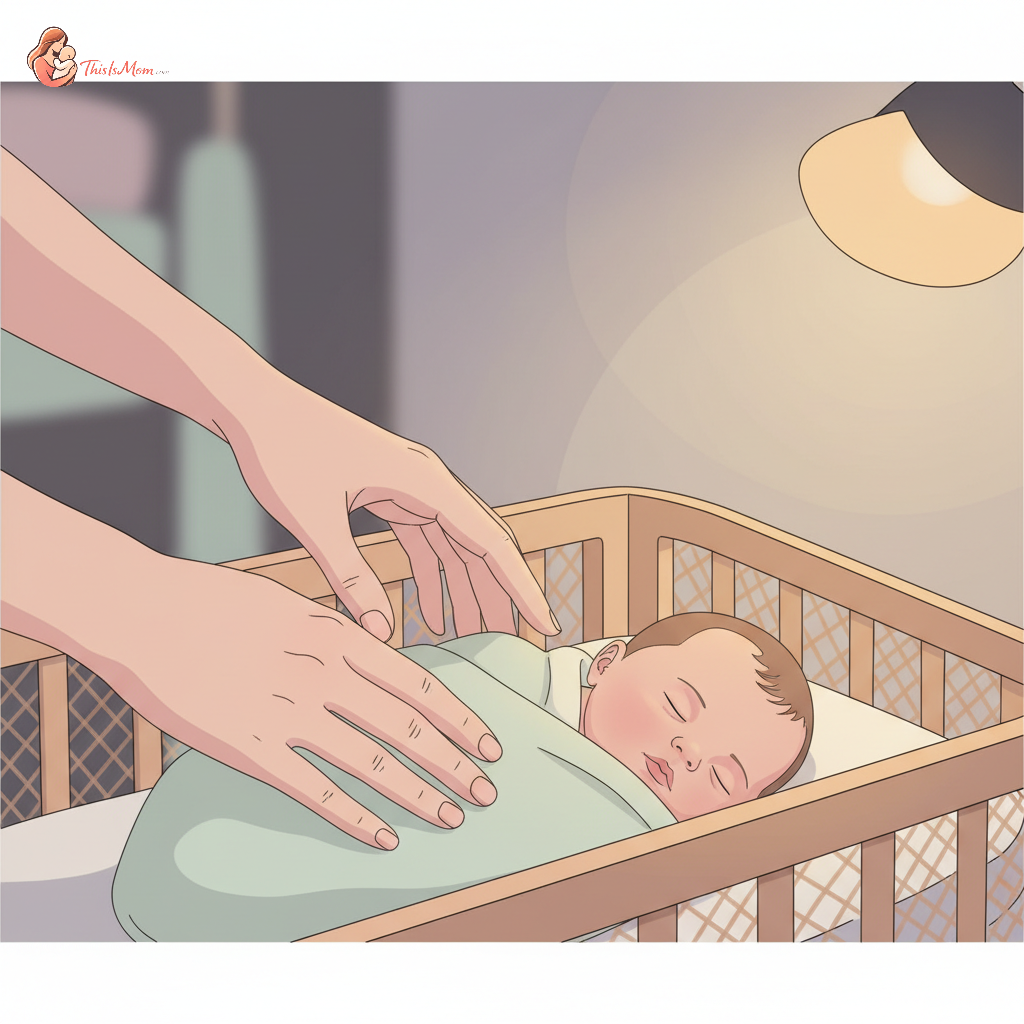
Mission Possible: How to Transition Baby to Crib From Bassinet Without Waking
It was 3:15 a.m. when I finally admitted defeat. Noah, my sweet 9-month-old, had outgrown his bassinet. Not just in size, but in "sleepability." Every little creak of the mattress, every rustle of his PJs, seemed to jolt him awake the second I tried to lay him down. The bassinet, which had been our trusty sidekick for months, now felt like a trapdoor for sleep. Anyone else feel like transitioning a baby to a crib from a bassinet without waking them is some kind of secret, advanced ninja skill?
Honestly, I had no idea what I was doing.
The truth is, this whole transition can feel like a monumental task. You’ve finally figured out a system that sort of works, and now here comes another hurdle. But here’s the thing: it doesn’t have to be a sleep-deprivation marathon of epic proportions. We can do this.
Why This Crib Caper Feels So Tricky
Let’s be real, babies are tiny, amazing creatures, but they also have some built-in defenses against us getting anything done. Like that sudden jolt when they feel like they’re falling. You know the one.
This is often called the 'sleep startle' reflex, or the Moro reflex. It’s totally normal. Their brains are still developing, and they can startle at sudden noises, movements, or even just the feeling of being unsupported. This reflex can make transferring them from your arms to a crib an instant wake-up call.
Then there’s the actual difference between the bassinet and the crib. Your bassinet was likely cozy, snug, and probably felt like a familiar hug for your little one. The crib, on the other hand, is a big, open space. It can feel vast and a little scary for a baby used to feeling contained.
The Sweet Spot: When to Make the Big Move
So, when is the right time to ditch the bassinet for the grown-up crib? Patience, my friends. It's not about a specific age, but about reading your baby.
Are they busting out of the bassinet's sides? That’s a pretty clear sign. Or are they consistently waking up a few minutes after you lay them down, even in their familiar bassinet? That could mean the confines are feeling too small, or they’re ready for a bit more space.
Here’s when not to make the transition: If your baby is going through a major regression, is sick, or teething horribly. Push it back a week or two. Focus on getting them comfortable again before tackling a big change. Sometimes, you just have to let the chaos settle.
Gentle Hand-offs: Landing Baby Safely in the Crib
Discover your baby's phase
Okay, here’s where the magic (and a lot of trial and error) happens. The goal is to mimic what they were experiencing before you tried to place them down.
One of my favorite tricks? The 'warm bed' trick. Before you even think about moving your baby, pre-warm the crib mattress. You can use a heating pad on a low setting for a few minutes, or even just a warm water bottle. Remove it right before you lay your baby down. This helps reduce the shock of a cold surface.
Then comes the low-and-slow lowering method. This is not a quick drop. It’s a slow, controlled descent. Try to keep your baby as flat as possible against your chest as you lower them into the crib.
Now, what about that common challenge: your baby wakes up when they are lowered into the crib? This is the ultimate frustration. Try this: Lower them so your hands are supporting them just above the mattress. Pause. See if they settle. If not, gently lift them back up for a moment, calm them, and try again. Persistence, with gentleness, is key.
Tackling the Unexpected Crib Curveballs
You’ve mastered the lowering, but you’re still hitting roadblocks. Don’t panic. We’ve all been there.
Sometimes, a baby needs that secure feeling of being swaddled to feel safe enough to sleep. If your baby still requires a swaddle, there are transitional swaddles that can help. Research suggests it's important to stop swaddling once a baby shows signs of rolling. If they're rolling in their bassinet, they'll likely do it in the crib too, and a swaddle can become a safety hazard. So, the transition without the swaddle is often the goal, but you might need to phase it out.
My nurse practitioner always talked about the sleepy-but-awake transfer. The idea is to wait until your baby is drowsy, eyes heavy, but not fully asleep, and then gently place them down. This way, they get used to falling asleep in their crib, not just being placed there already unconscious. It takes practice, and sometimes, they'll still stir.
And what if they still wake up? Breathe. Seriously, take a deep breath. It’s okay. You’re not failing. It’s a learning process for both of you. Often, a quick pat, a shush, or a brief cuddle can help them resettle right back to sleep in their crib. For some babies, it just takes a few nights of this gentle coaxing. What if baby cries during gentle chair sleep training method?
Making the Crib a Dreamy Sleep Zone
The transfer is just one piece of the puzzle. Creating a truly peaceful sleep environment is also super important.
A consistent bedtime routine is your best friend. This signals to your baby that it’s time to wind down for the night. Think bath, PJs, a gentle massage, a quiet story, and a final feeding. The key is consistency.
And always, always, always prioritize a safe sleep space. The American Academy of Pediatrics (AAP) guidelines are clear: the crib should be firm, flat, and empty. No bumpers, no loose blankets, no stuffed animals. Just a fitted sheet. This minimizes risks and creates a secure, uncluttered environment for your baby to sleep in.