Introducing Peanuts to Baby After a Delayed Start
Learn the best strategy for introducing peanuts to your baby after a delayed start. This guide covers safe methods, what to watch for, and consistent exposure tips.
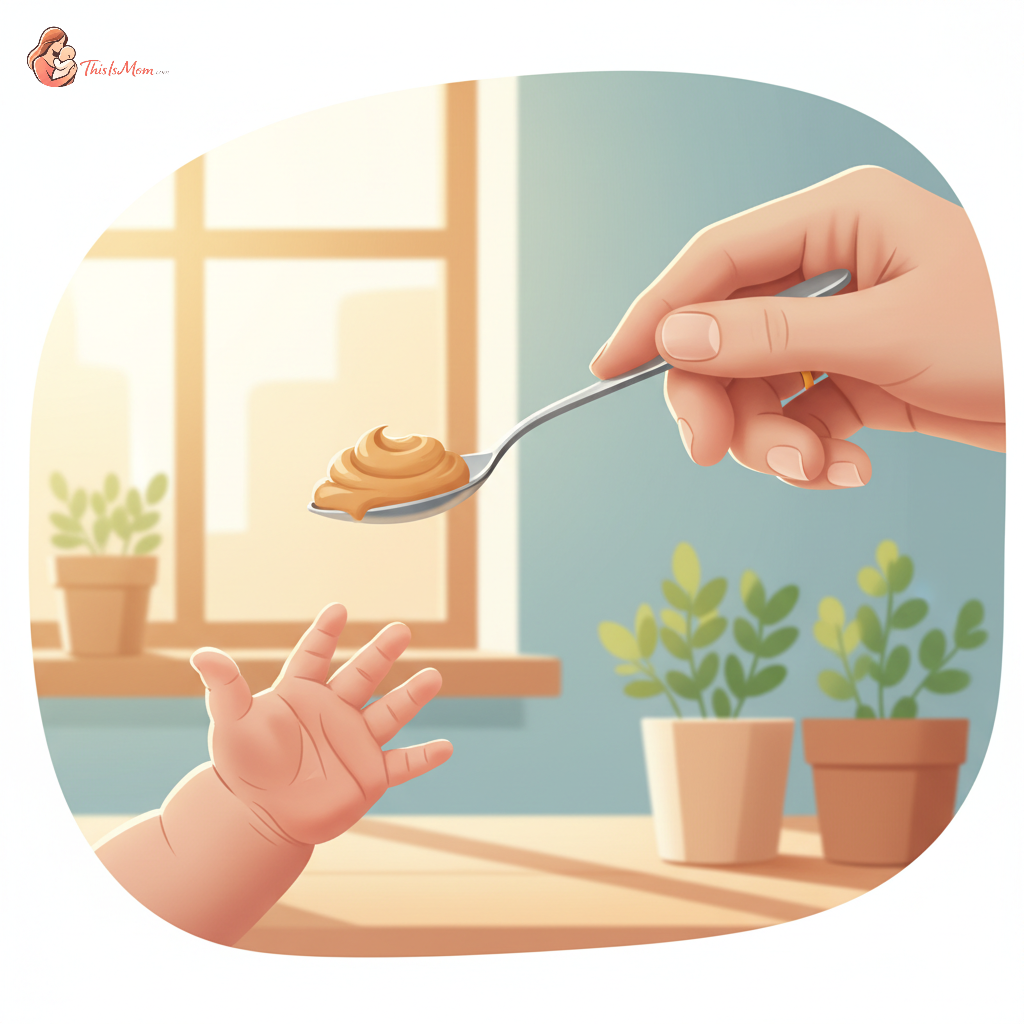
Introducing Peanuts to Your Baby After a Delayed Start
Starting solids is an exciting milestone, but introducing allergens like peanuts can feel daunting, especially if you're past the typical "early window." Perhaps you're wondering, "What's the best strategy for introducing peanuts to baby after a delayed start?" While earlier introductions are often recommended, it's rarely too late to safely begin, and current guidelines can help ease your concerns.
This guide will detail current recommendations for introducing peanuts, even if your baby is beyond the common 4-6 month introduction period. We'll demystify the process, focusing on safety and the latest research.
The Evolving Understanding of Allergy Prevention
For years, parents were advised to delay common allergens like peanuts, believing a younger immune system was more vulnerable. However, groundbreaking research, notably the LEAP (Learning Early About Peanut Allergy) study, has significantly shifted this perspective.
Organizations like the National Institute of Allergy and Infectious Diseases (NIAID) and the American Academy of Pediatrics (AAP) now largely agree that early and regular introduction of peanut protein to infants may help prevent peanut allergy, particularly for high-risk infants.
It's important to note that "early" in research often refers to introduction between 4-6 months of age. If you're looking at introducing peanuts to baby after 6 months, or even closer to a year, and feel you've missed this window, rest assured. The focus then shifts to a safe, measured introduction. Research suggests the protective effect is linked to consistent exposure, not solely to a single early introduction.
Preparing for Peanut Introduction
Before introducing peanuts, consult your pediatrician. They can provide personalized guidance based on your baby's health history and family allergy risks.
When to Talk to Your Pediatrician
If your baby has eczema, an egg allergy, or a family history of food allergies (especially peanut allergy), speaking with your pediatrician beforehand is crucial. They may recommend specific testing or supervised introduction in their office. For babies without these risk factors, guidelines are generally simpler, but a quick check-in is always good practice. You can also learn more about introducing peanuts to a baby with eczema.
Safe Forms of Peanut for Babies
The safest way to introduce peanut protein is through specially formulated infant foods or smooth peanut butter. The primary goal is to avoid choking hazards.
- Recommended Forms:
- Smooth peanut butter thinned with warm water, breast milk, or formula to a thin, easily swallowed puree consistency (not a thick paste).
- Peanut-flavored infant cereals.
- Peanut powder mixed into purees or other foods.
- Forms to Avoid:
- Whole peanuts or chunky peanut butter, as these pose a severe choking risk.
- Unthinned peanut butter straight from the jar, which is too thick.
Best Times and Places for the First Taste
Introduce peanut protein when your baby is healthy and alert, not sick or overtired. It's also wise to introduce new foods when you can closely observe your baby for several hours afterward.
- During the Day: Avoid introducing peanut protein close to bedtime to allow ample time to monitor for reactions. Learn about gentle methods to resettle baby after 3am feeding if sleep is disrupted.
- At Home: This ensures a familiar, comfortable environment with immediate access to medical help if needed.
- Introduce Alone: Offer peanut protein on its own, without other new foods, to easily identify any potential allergic reactions.
Your Step-by-Step Guide to Introducing Peanuts Safely
Introducing peanut protein is a process, not a one-time event. Guidelines from the AAP and CDC emphasize a gradual approach.
The Initial Amount
For the very first introduction, health organizations suggest starting with a very small amount:
- A tiny lick or smear of thinned smooth peanut butter (about 1/4 teaspoon).
- A small amount of peanut-flavored infant cereal.
The goal is initial exposure to the protein, not a full serving.
Reaction Timeframe
Allergic reactions typically occur relatively soon after ingestion. The AAP notes that reactions can happen within minutes to a couple of hours after eating a food allergen. Close observation is critical after the initial introduction.
Watching for Reactions and What to Look For
Discover your baby's phase
When introducing any peanut product, be vigilant for signs of an allergic reaction, which can range from mild to severe.
Here's what to monitor:
- Skin: Hives (raised, red, itchy welts), rash, or flushing.
- Digestive System: Vomiting, diarrhea, or stomach cramps.
- Respiratory System: Runny nose, sneezing, wheezing, coughing, or difficulty breathing.
- Behavioral Changes: Unusual fussiness, lethargy, or irritability.
If you observe any of these signs, stop offering the peanut product immediately.
What If My Baby Has a Reaction? Signs and Next Steps
Understanding the spectrum of allergic reactions is crucial for knowing how to respond.
Recognizing Allergy Symptoms
Mild symptoms might include a localized rash or a few hives appearing soon after consumption. A runny nose or mild fussiness could also indicate a reaction.
Severe symptoms, known as anaphylaxis, are life-threatening and require immediate medical attention. These include:
- Difficulty breathing or wheezing.
- Swelling of the lips, tongue, or throat.
- A sudden drop in blood pressure (leading to dizziness or fainting).
- Severe vomiting or diarrhea.
- A widespread rash or severe hives.
When to Seek Emergency Care
If your baby exhibits any signs of severe allergic reaction, call 911 or go to the nearest emergency room immediately. Do not wait to see if symptoms improve.
For mild reactions, contact your pediatrician promptly. They will advise on next steps, which may include discontinuing peanut products and potentially scheduling an allergy evaluation. If your baby reacts, even mildly, it’s always best to err on the side of caution and connect with your doctor.
If Baby Has a Reaction to Peanut Products
If your baby has a reaction to peanut butter or any peanut product, immediately stop giving them that food.
- Observe: Note the symptoms, their onset, and duration.
- Contact Pediatrician: Call your baby’s doctor even for mild reactions. They will guide you on whether further evaluation is needed.
- Future Avoidance: If an allergy is confirmed, adhere to your pediatrician's or allergist's recommendations, and inform caregivers.
Consistency is Key: Maintaining Peanut Exposure
Once your baby has safely tolerated a peanut product, consistent exposure is generally recommended. Ongoing exposure is believed to help maintain the protective effect against allergy development.
How Often Should Peanuts Be Offered?
Guidelines suggest offering peanut products two to three times per week once your baby has safely completed the initial introduction. This consistent exposure is vital for long-term prevention.
Creative Ways to Include Peanuts in Your Baby's Diet
Incorporating peanut products can be simple and delicious:
- Mix smooth peanut butter into applesauce, yogurt, or pureed fruits and vegetables.
- Spread a thin layer on soft crackers or toast (ensure the bread is soft and cut into manageable pieces).
- Use peanut powder in smoothies or oatmeal.
- Offer fortified peanut-flavored infant cereals.
Always ensure the texture is safe and appropriate for your baby’s chewing and swallowing abilities. If your toddler is refusing protein foods, you might find these strategies helpful.
Addressing Common Concerns: "Is [Age] Too Late to Introduce Peanuts?"
If you're asking, "Is 8 months too late to introduce peanuts to baby?" or if your baby is even older, recognize that the principles of safe introduction still apply. While research highlights benefits of earlier introduction for many, it's rarely considered "too late" to start. For a delayed peanut introduction baby, the best strategy for introducing peanuts to baby after a delayed start is to follow the same safe introduction steps outlined: thinned smooth peanut butter, small amounts, and close observation.