Toddler Refusing Protein Foods? 7 Smart Strategies
Is your toddler refusing all protein foods? Discover smart strategies, creative swaps, and essential tips to ensure your picky eater gets enough protein.
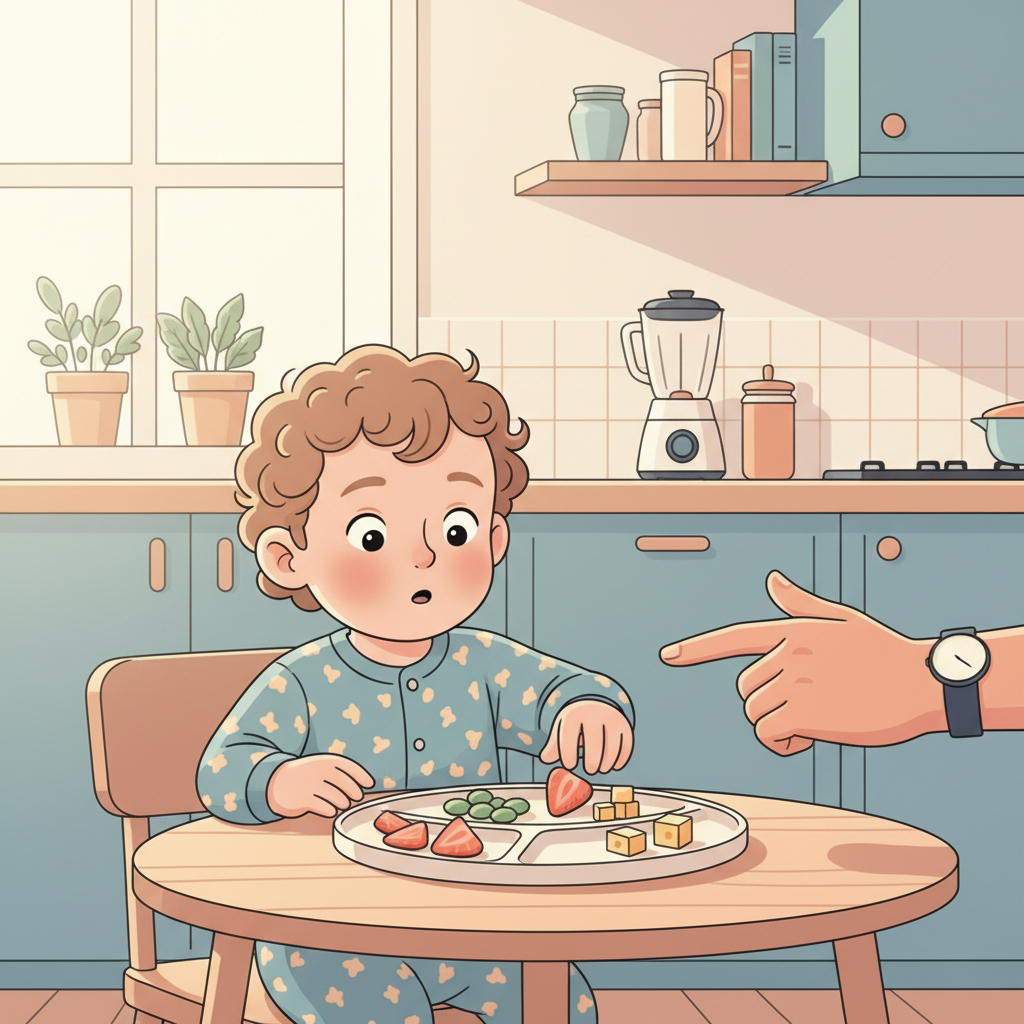
Toddler Refusing Protein? Smart Strategies for Picky Eaters
Is your toddler consistently turning up their nose at chicken nuggets, lentils, or even cheese? If your picky eater is refusing all protein foods, it's natural to wonder how they will get the nutrients needed to grow and thrive. This can be incredibly frustrating and worrying for parents.
This article offers research-backed, practical strategies for parents whose toddlers categorically reject protein sources. It provides guidance on how to ensure adequate nutrition without mealtimes becoming a battle. We'll explore the reasons behind this common toddler behavior and offer creative solutions.
Why Toddlers Dig Their Heels In About Protein
It's easy to label toddlers as simply "picky," but there are often developmental reasons behind their food rejection, especially concerning protein. Understanding these nuances can shift your perspective from battle mode to problem-solving mode.
Developmental Leaps vs. True Aversions
Toddlerhood is a period of rapid growth and development, which extends to eating habits. The American Academy of Pediatrics (AAP) notes that it's common for toddlers to go through phases of increased selectivity. This can be a sign of asserting independence and exploring their environment, including food.
Sometimes, what looks like a complete protein aversion might be a temporary phase. Research suggests that repeated, no-pressure exposure to a food can eventually lead to acceptance, even if it takes many tries. True food aversions, where a child genuinely avoids a food due to texture, smell, or past negative experiences, are also possible but often less common than suspected. For instance, a toddler refusing previously loved foods might be experiencing a similar developmental phase.
The Influence of Texture, Smell, and Presentation
Toddlers have heightened sensory sensitivities. The texture of meat, its perceived chewiness, or even its smell can be a major deterrent. Some children are particularly sensitive to "mushy" textures, while others dislike anything too firm.
For a toddler who won't eat meat or eggs, the way food is presented can be just as important as the food itself. Cut into fun shapes, served alongside preferred foods, or even just presented differently can make a difference.
Creative Protein Swaps for Hesitant Eaters
If your toddler consistently turns away from traditional protein sources, it's time to get creative. The good news is that there are many ways to offer protein beyond the usual suspects.
Protein for Toddlers Who Won't Eat Meat
Many parents grapple with the question: How do you give a 2-year-old protein if they refuse meat? Fortunately, a balanced diet for toddlers doesn't rely solely on animal protein.
Plant-Based Powerhouses Toddlers May Embrace:
- Beans and Lentils: Pureed into dips like hummus or refried beans, blended into soups, or mixed into pasta sauces.
- Tofu: Silken tofu can be blended into smoothies or puddings. Firm tofu can be cut into small, fun shapes and baked until crispy.
- Edamame: Steamed and lightly salted, these are often a hit due to their fun "pop" out of the pod.
- Nut and Seed Butters: Spread thinly on crackers, fruit, or toast. (Ensure no allergies and supervise to prevent choking hazards).
Dairy and eggs can also be excellent protein sources for toddlers who are hesitant about meat. Yogurt, cheese sticks, and cottage cheese are easy options. Scrambled eggs, if accepted, are a quick and easy meal. However, if your toddler won't eat meat or eggs, you'll need to look elsewhere. Consider exploring iron-rich vegetarian recipes for babies and toddlers as a way to boost protein and other essential nutrients.
Sneaky Protein: Blending and Mashing
One effective strategy is to incorporate protein into foods your toddler already likes. Blending cooked lentils or beans into pasta sauce, mashed sweet potatoes, or even mild chili can boost protein content significantly. Silken tofu can disappear into fruit smoothies, adding creaminess and protein without altering the taste much. Even a tablespoon of finely ground nuts and seeds (mindful of allergies and choking risk) can be mixed into oatmeal or yogurt.
Making Mealtimes Less of a Tetapi
The way mealtimes are managed significantly impacts a child's relationship with food. Shifting the focus from consumption to exploration can be transformative.
Division of Responsibility: Your Role, Their Role
The AAP advocates for a "division of responsibility" in feeding. This means your job as the parent is to decide what foods are offered, when they are offered, and where they are offered. Your child's job is to decide whether to eat what is offered and how much to eat.
Discover your baby's phase
This framework helps reduce pressure. When you try to force-feed or coax, it often backfires. Trusting your child to regulate their intake within the healthy options you provide is key.
Exposure, Not Pressure: The "Every Meal" Rule
Instead of a strict "one bite" rule, which can create anxiety, focus on consistent, no-pressure exposure. Evidence suggests that toddlers often need to see, touch, and even smell a new food numerous times before they are willing to try it.
Offer a small portion of the protein-rich food alongside foods your child reliably eats. Don't comment if they don't eat it, but acknowledge if they do engage with it. This low-stakes exposure can pave the way for future acceptance. Even if your toddler’s diet is limited, finding ways to offer a variety of foods can be helpful.
Involving Little Chefs in Food Prep
Toddlers are more likely to be curious about foods they help prepare. Simple tasks like washing vegetables, stirring ingredients (with supervision), or tearing lettuce can build a sense of ownership and interest. Let them choose between two healthy options, like "broccoli or green beans?" This gives them a sense of control. If managing food-related tantrums is a concern, consider strategies to manage mom rage without yelling at your toddler.
Tracking Protein: How Much is Enough?
It's natural to worry about whether your toddler is getting enough protein, especially if they are refusing various sources.
Simple Guidelines for Daily Protein Intake
The U.S. Department of Agriculture (USDA) and the AAP provide general guidelines for nutrient intake. For toddlers aged 1-3 years, the recommended dietary allowance (RDA) for protein is approximately 13 grams per day. This might seem small, but toddlers are small!
It's important to remember that many common toddler foods contain some protein. For example, a slice of bread might have 2-3 grams, and a cup of milk provides about 8 grams. Even if your toddler won't eat meat or eggs, they might be getting protein from other sources like dairy and grains.
Understanding Common Protein Myths
A common myth is that toddlers need large amounts of meat to be healthy. The reality is that protein is available in a wide variety of foods. Focusing solely on meat can be counterproductive for picky eaters. Another myth is that a toddler who only drinks milk is getting enough protein; while milk is a good source, relying on it exclusively can displace other nutrient-rich foods and might indicate an underlying issue. If you’re concerned about sugar intake, remember there are guidelines on how much added sugar is okay for a 2-year-old.
When to Consider Supplements (And When Not To)
Supplements are generally not recommended for toddlers unless there is a diagnosed deficiency or a specific medical reason, as advised by a healthcare professional. The best approach for ensuring adequate nutrition, including protein, is through a varied diet. If you are concerned about your toddler's intake, discuss this with their pediatrician before considering any supplements.
When to Seek Professional Guidance
While picky eating is common, there are times when seeking professional advice is crucial.
Signs Your Toddler Might Need Extra Support
If your toddler is consistently refusing entire food groups, losing weight, showing a significant lack of energy, or if their growth appears to be faltering, it’s a good time to consult with your pediatrician. Persistent vomiting, diarrhea, or constipation alongside eating issues also warrant medical attention. For instance, if constipation is an issue when starting solids, exploring natural fixes for toddler constipation could be helpful.
Nutritional Deficiencies to Watch Out For
While protein deficiencies are less common in developed countries, other nutrient deficiencies can occur in toddlers with extremely limited diets. Iron, calcium, vitamin D, and certain B vitamins are important to monitor. A pediatrician can assess for these and recommend dietary adjustments or testing if needed.
The Role of a Registered Dietitian
For persistent feeding challenges, especially those involving severe picky eating or suspected nutritional gaps, a registered dietitian (RD) can be an invaluable resource. They specialize in nutrition and can provide personalized strategies, meal ideas, and support tailored to your child's specific needs and preferences.