Top Iron-Rich BLW Foods for Your 7-Month-Old Baby
Discover essential iron-rich baby-led weaning foods for your 7-month-old. Learn why iron is crucial, what foods to offer, and how to maximize absorption for healthy growth.
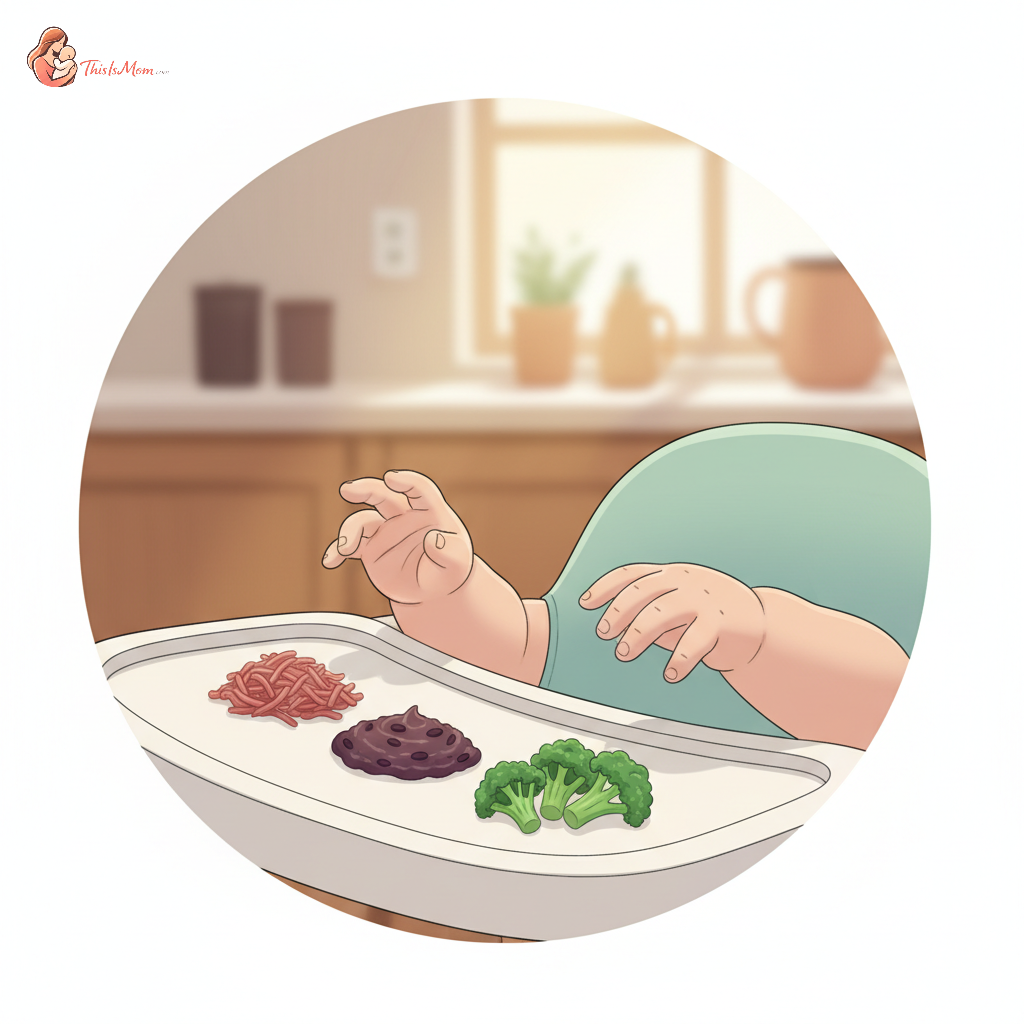
Iron-Rich Baby-Led Weaning Foods for Your 7-Month-Old: What the Guidelines Say
Your 7-month-old is exploring a world of new tastes and textures, and you're eager to nourish their rapid growth. But are you focusing enough on iron? This crucial nutrient is especially important for babies around this age, and there are specific iron-rich baby-led weaning foods perfect for your 7-month-old.
Why Iron is Essential for Your 7-Month-Old Baby
At 7 months, your baby's stores of iron, built up during pregnancy, are likely starting to deplete. This makes dietary iron a critical component for their continued development.
The Importance of Iron at This Stage
The American Academy of Pediatrics (AAP) highlights iron's vital role in brain development and cognitive function. Iron is a key component of hemoglobin, the protein in red blood cells responsible for carrying oxygen throughout the body. Adequate iron intake supports healthy growth, energy levels, and immune system function.
Understanding Iron Deficiency in Babies
Iron deficiency is the most common nutritional deficiency in infancy. Without sufficient iron, babies can develop iron deficiency anemia, which can have longer-term effects on development and behavior. This is why focusing on iron-rich foods for babies under 1 year is so important.
Iron-Rich Foods Perfect for Baby-Led Weaning at 7 Months
The good news is that many delicious and readily available foods can help ensure your baby gets the iron they need. When considering high iron foods for baby-led weaning, variety is key.
Meat and Poultry: Bioavailable Iron Sources
The guidelines suggest that iron from animal sources is generally more easily absorbed by the body than iron from plant sources. This is known as heme iron.
- Beef: Finely ground, well-cooked beef can be offered in small, manageable pieces or mixed into other soft foods.
- Chicken and Turkey: Dark meat, like chicken thigh or turkey leg, tends to have more iron than white meat. Ensure it's cooked thoroughly and offered in soft, shreddable, or ground forms.
- Lamb: Similar to beef, finely ground or slow-cooked lamb is a good option.
When preparing these, ensure they are fully cooked and cooled to a safe temperature. Aim for soft, easily mashed textures.
Plant-Based Iron Powerhouses
While plant-based iron (non-heme iron) isn't absorbed as readily, it is still a valuable source, especially when paired strategically. These iron-rich foods for babies 7 months and older can be great additions.
- Beans and Lentils: Well-cooked and mashed or pureed, beans like kidney beans, black beans, and chickpeas, as well as lentils, are excellent sources of iron and fiber.
- Tofu: Soft or firm tofu, cut into finger-sized pieces and gently cooked or steamed, can be a mild and easily digestible iron source.
- Spinach and Other Leafy Greens: Cooked and finely chopped spinach, kale, or swiss chard can be incorporated into other foods. The texture needs to be very soft and manageable.
Remember to cook legumes thoroughly until very soft to ensure they are easily digestible and to reduce any potential anti-nutrients.
Best Iron-Fortified Foods for Babies
Many infant cereals and other products are fortified with iron. While baby-led weaning often emphasizes whole foods, fortified options can be a helpful supplement.
- Iron-Fortified Infant Cereals: Oatmeal, barley, or multi-grain cereals specifically formulated for babies and fortified with iron are a common recommendation. These can be served thicker, as a "mush," or mixed into other purées.
- Fortified Bread or Pasta: Some baby-specific breads or pastas are also fortified. Look for these options and ensure they are soft and cut into appropriate sizes.
Always check the product labels to confirm iron fortification levels.
How to Maximise Iron Absorption (Don't Forget Vitamin C!)
Simply offering iron-rich foods isn't the whole story. How you combine them can significantly impact how much iron your baby actually absorbs.
Pairing Iron with Vitamin C for Better Absorption
The research suggests that combining iron-rich foods with sources of vitamin C can dramatically enhance the absorption of non-heme iron from plant-based foods.
Here are some excellent vitamin C pairings:
Discover your baby's phase
- Berries: Offer mashed or puréed strawberries, blueberries, or raspberries alongside iron-fortified cereal.
- Citrus Fruits: Small amounts of orange, grapefruit, or clementine segments (seeds removed, membranes possibly peeled for easier handling) can be offered, but watch for any initial sensitivities.
- Melons: Cantaloupe or honeydew melon, cut into soft, manageable pieces.
- Cooked Vegetable & Fruits: Steamed broccoli florets, bell pepper strips (steamed until very soft), or sweet potato chunks also contain vitamin C.
Foods to Avoid Pairing with Iron Meals
While not an absolute rule, some foods and drinks can inhibit iron absorption, particularly non-heme iron.
- Dairy: Calcium found in milk, cheese, and yogurt can interfere with iron absorption. It's generally recommended to serve dairy products separate from iron-rich meals, rather than as part of them.
- Tea and Coffee: These contain tannins that can inhibit iron absorption. They are not typically given to infants, but it's good to be aware of.
Safe Preparation Tips for Iron-Rich BLW Foods
Safety is paramount when introducing solids, especially with iron-rich foods which can sometimes have challenging textures.
Texture Matters: Safely Slicing and Dicing
The Centers for Disease Control and Prevention (CDC) offers guidance on safe food preparation for infants and toddlers. For baby-led weaning, foods should be:
- Soft and Mashable: Easily squished between your fingers.
- Cut into Appropriate Shapes: Long, finger-sized pieces (about the size of an adult pinky finger) for babies who are just starting solids. As they develop their pincer grasp, you can transition to smaller, bite-sized pieces.
- Avoid Hard or Gummy Textures: Raw carrot sticks or whole grapes are choking hazards.
When preparing meats, shredding them finely or grinding them ensures a softer, safer texture. Tofu or cooked vegetables can be cut into manageable strips or cubes.
Introducing Allergens with Iron-Rich Foods
It's now recommended by many health organizations, including the AAP, to introduce common allergens early and often, often around 6 months or when starting solids.
- Peanut Butter: Smooth peanut butter, thinned with water or breast milk and spread thinly on a soft food like a piece of toast or a finger of sweet potato, can be a great way to introduce this allergen alongside iron.
- Eggs: Well-cooked scrambled egg or hard-boiled egg yolk, mashed or thinly sliced, provides iron and is another common allergen.
- Fish: Low-mercury fish like salmon or cod, cooked thoroughly and flaked, offer iron and are also common allergens.
Always introduce new allergens one at a time and wait a few days to monitor for any reactions.
Ensuring Your 7-Month-Old Gets Enough Iron Daily
Understanding how much iron your baby needs and recognizing potential signs of deficiency can help you support their nutritional well-being.
How Much Iron Does a 7-Month-Old Need?
The Recommended Dietary Allowance (RDA) for iron for infants aged 7-12 months is 11 milligrams (mg) per day. This amount can be challenging to meet purely through breast milk alone after 6 months, which is why complementary iron-rich foods for babies under 1 year are so critical.
Signs Your Baby Might Not Be Getting Enough Iron
While subtle, some signs might indicate your baby is not getting sufficient iron.
- Reduced Activity Levels: Appearing more tired or less engaged than usual.
- Pale Skin: Though this can be hard to assess accurately, very pale skin can be a sign.
- Irritability: Increased fussiness or difficulty being soothed.
- Poor Appetite: A decreased interest in eating.
It's important to note that these signs are not exclusive to iron deficiency and can be related to many other factors.
When to Talk to Your Pediatrician About Iron Intake
The best approach is proactive communication with your child's healthcare provider.
- Discuss Your Baby's Diet: Share with your pediatrician what foods you are offering and ask for their assessment of your baby's iron intake.
- Routine Check-ups: Pediatricians typically screen for iron deficiency, especially around the 12-month mark, but it's always worth bringing up your concerns earlier.
- Concerns About Development: If you have any worries about your baby's growth, development, or overall well-being, your pediatrician is the best resource.
Navigating iron-rich baby-led weaning foods for your 7-month-old involves understanding why iron is vital, choosing the right nutrient-dense foods, and preparing them safely to maximize absorption. By focusing on a variety of iron sources and pairing them strategically, you can confidently support your baby's journey into healthy eating.