Is It Safe to Travel Long Distance by Car Early Pregnancy?
Considering a long-distance car trip in early pregnancy? Learn expert advice, essential tips, and warning signs to ensure a safe and comfortable journey.
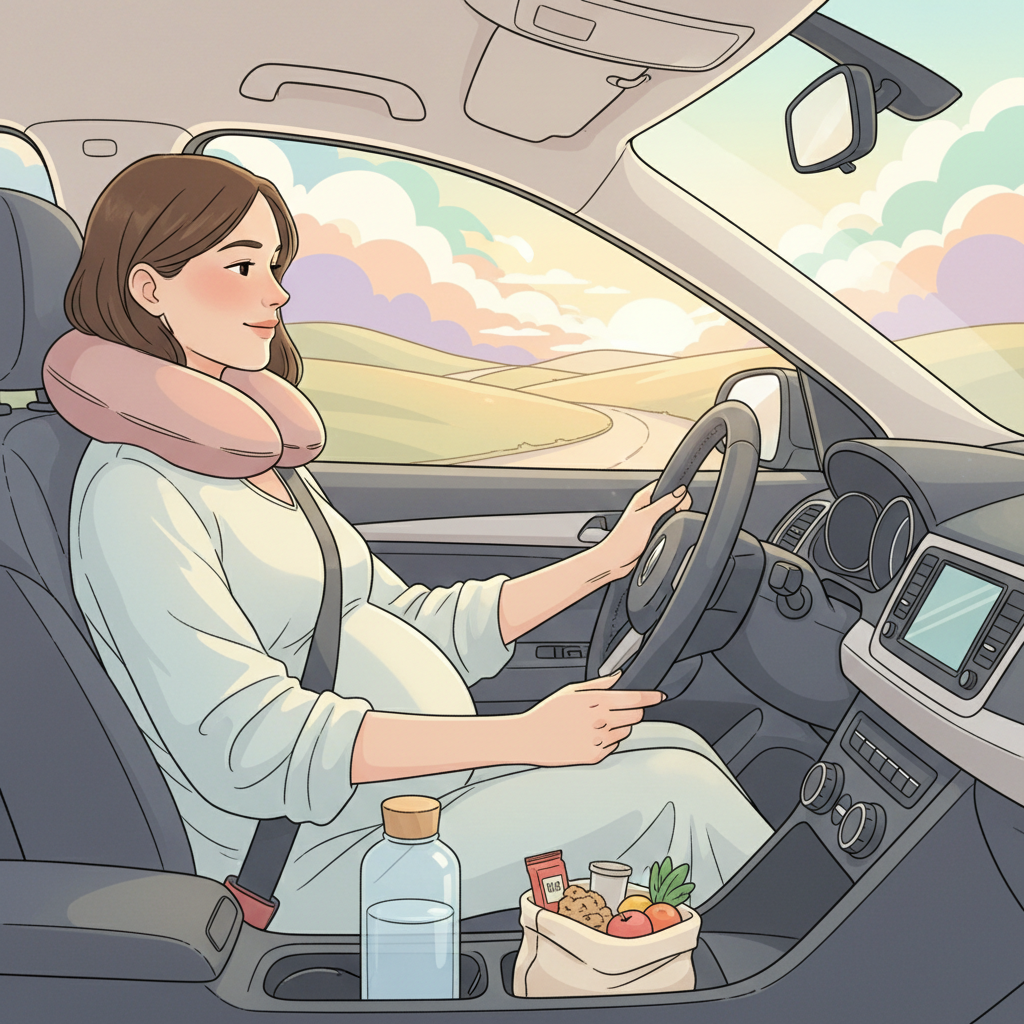
Is It Safe to Travel Long Distance by Car in Early Pregnancy?
It's completely normal to wonder about the safety of long-distance car travel when you're in the very early stages of pregnancy. Whether it's a planned vacation, a family commitment, or a move, many have questions about how their changing bodies will handle being on the road for extended periods. As someone who has supported many friends through their pregnancies, I've seen firsthand how much peace of mind comes from having clear, empowering information. You’re looking for guidance on travel while 1 month pregnant by car and the first-trimester realities of this journey.
Navigating the Road in Your First Trimester
The first trimester is a time of immense change and development for your baby, and a period where your own body is adjusting significantly. Symptoms like fatigue, nausea, and heightened emotions can make even short trips feel challenging. Understanding how these common experiences might intersect with long-distance car travel is the first step in making informed choices. For those experiencing severe nausea, managing hyperemesis gravidarum while working from home can offer insights into symptom management strategies that may be adaptable to travel.
What the Experts Say: Guidelines for the Road
While there aren't strict "stop traveling" rules from major organizations like the American Academy of Pediatrics (AAP) or the American College of Obstetricians and Gynecologists (ACOG) specifically for early pregnancy car travel, they do emphasize listening to your body and prioritizing safety. The general consensus is that if you have a low-risk, healthy pregnancy, traveling by car is typically considered safe. The key is to be prepared and mindful of your well-being. Remember, your body is already doing incredible work; planning your trip around its needs is crucial.
First Trimester Concerns on the Road
Several common first-trimester realities can make long car trips feel more daunting:
- Fatigue: This is one of the most prevalent symptoms. Your body is working overtime to support the developing pregnancy, and exhaustion can set in earlier than you might expect.
- Nausea and Vomiting (Morning Sickness): For some, nausea can be triggered or worsened by the motion of a car, especially on winding roads or in stop-and-go traffic.
- Frequent Urination: Hormonal changes increase blood flow to your pelvis, and your kidneys become more active, leading to more frequent bathroom breaks.
- Sore Breasts and Pelvic Pressure: These physical sensations can make sitting for long periods uncomfortable.
- Emotional Sensitivity: The hormonal shifts can also bring about mood swings or increased anxiety, which can be amplified by the stresses of travel.
Road Trip Essentials: Your Early Pregnancy Packing List
Being prepared can significantly alleviate stress and discomfort. Think of this as your personal support kit for the journey.
Snacks, Hydration, and Nausea Relief
- Hydration: Pack plenty of water. Dehydration can exacerbate fatigue and nausea. Consider electrolyte drinks or flavored water if plain water is difficult.
- Snacks: Keep easy-to-digest, bland snacks readily available. Think crackers, pretzels, dry cereal, granola bars, or fruit like apples and bananas. Avoid anything too greasy, spicy, or strong-smelling that could trigger nausea.
- Nausea Helpers: Ginger in any form (candies, tea, or fresh ginger) is a classic. Peppermint candies or aromatherapy can also be soothing. Some find acupressure bands helpful.
Comfort Items for a Smoother Ride
- Pillows: A travel pillow for your neck and a small cushion or wedge pillow to support your lower back or pregnancy bump (even a small one in early pregnancy can feel significant) can make a world of difference.
- Comfortable Clothing: Loose-fitting, breathable fabrics are key. Layers are also beneficial as car temperatures can fluctuate.
- Blanket: For staying cozy or if the car gets chilly.
Emergency Contacts and Medical Records
- Contact List: Have a list of important phone numbers readily accessible, including your OB/midwife's office, your partner's, a trusted family member, and local emergency services for your route.
- Medical Information: Carry a small card with your due date, any pre-existing conditions, and current medications. A copy of your prenatal records can be invaluable if you need to seek care unexpectedly.
Making Your Car Travel Comfortable and Safe
Creating a comfortable environment in the car and being mindful of your body's needs are foundational to safe and enjoyable travel.
Discover your baby's phase
Frequent Stops: Your New Best Friend
This is perhaps the most important tip for any pregnant traveler, especially in the first trimester. Aim to stop every 1-2 hours, even if you don't feel you need to. These breaks serve multiple purposes:
- Restroom Access: Addresses the frequent urination need.
- Movement: Promotes circulation and reduces stiffness. A short walk around a rest stop or gas station can feel incredibly refreshing. For toddlers, ensuring they can move safely is key, and knowing about stroller wagons with high weight capacities can be helpful for families traveling with older children.
- Nausea Management: Stepping out for fresh air and a change of scenery can help settle an upset stomach.
- Convenience: A chance to stretch, grab a snack, or just regroup.
Seatbelt Safety and Positioning
Wearing your seatbelt correctly is paramount. The lap belt should lie below your abdomen, across your hips and pelvis. The shoulder belt should go between your breasts and rest gently on your collarbone, lying across the center of your chest. Never place the shoulder belt under your arm or behind your back. Ensure the belt is snug but not constricting. If the pressure is uncomfortable, you might choose to use a seatbelt extender or a pregnancy seat cushion designed to help position the lap belt correctly. For parents considering infant car seats, a comparison of Nuna PIPA Urbn vs. RX Recline can help ensure safe travel for little ones.
Staying Hydrated and Moving Your Body
Beyond the obvious benefits for nausea and fatigue, staying hydrated helps prevent urinary tract infections (UTIs), which can be more common in pregnancy. When you stop, take a few minutes to do some gentle stretching. Calf raises, ankle circles, and pelvic tilts can help keep your muscles from getting too stiff from sitting.
When to Pump the Brakes: Warning Signs During Travel
Listening to your body is your most powerful tool. While travel is generally safe, certain symptoms are critical indicators that you should stop traveling and contact your healthcare provider immediately.
Symptoms That Mean 'Stop and Call Your Doctor'
- Vaginal Bleeding: Any amount of bright red bleeding, especially if it's heavier than spotting.
- Severe Abdominal Pain or Cramping: Pain that doesn't subside with rest, or feels more intense than menstrual cramps.
- Leaking Fluid: Any gush or trickle of fluid from your vagina, which could indicate your water has broken.
- Decreased Fetal Movement: While you might not feel strong kicks in the very early stages, if you notice a significant change or absence of the subtle movements you do feel, it's worth checking. For parents whose babies are experiencing sleep disturbances, understanding why a 5-month-old might be waking every hour or why a 6-month-old is only napping 30 minutes can be crucial for managing the household while also traveling.
- Severe Nausea or Vomiting: If you can't keep any fluids down and are showing signs of dehydration (dizziness, dark urine).
- Any symptom that feels "off" or concerning to you. Trust your intuition.
Planning Your Route with Medical Access in Mind
When planning your route for car travel during pregnancy, especially in the first trimester, it's wise to have an idea of where medical facilities are located along your journey. You don't need to map out every single pharmacy, but knowing the general vicinity of hospitals or urgent care centers in the towns you'll be passing through can provide significant peace of mind. This information can be easily accessed through GPS apps or by looking ahead on your travel route.
Planning for Peace of Mind: Before You Go
A little proactive planning can resolve many potential worries and ensure your trip is as smooth as possible.
Talking to Your Doctor Before You Depart
This is perhaps the most crucial step. Before you make any firm travel plans, call your OB or midwife. Discuss your itinerary, the duration of your trip, and any personal health concerns you might have. They can offer personalized advice based on your specific pregnancy health history and provide reassurance or suggest modifications if needed. This conversation will help you make an informed choice about whether the travel is right for you at this time. For those considering career changes while pregnant and planning for leave, understanding how to manage parental leave when switching jobs is also an important consideration.
Insurance and Roadside Assistance Checks
- Health Insurance: Ensure your health insurance provides adequate coverage while you are traveling, especially if you'll be out of your normal service area. Understand their procedures for emergency care out of network.
- Roadside Assistance: If you have a roadside assistance plan (like AAA or through your car insurance), make sure it's up to date. Knowing you have help available if you break down can ease travel anxiety.