Daycare Illness: 10 Tips for Your Infant's First Year
Navigate recurring daycare illnesses in your infant's first year with our practical guide for parents. Learn about immune development, home care, red flags, and daycare policies.
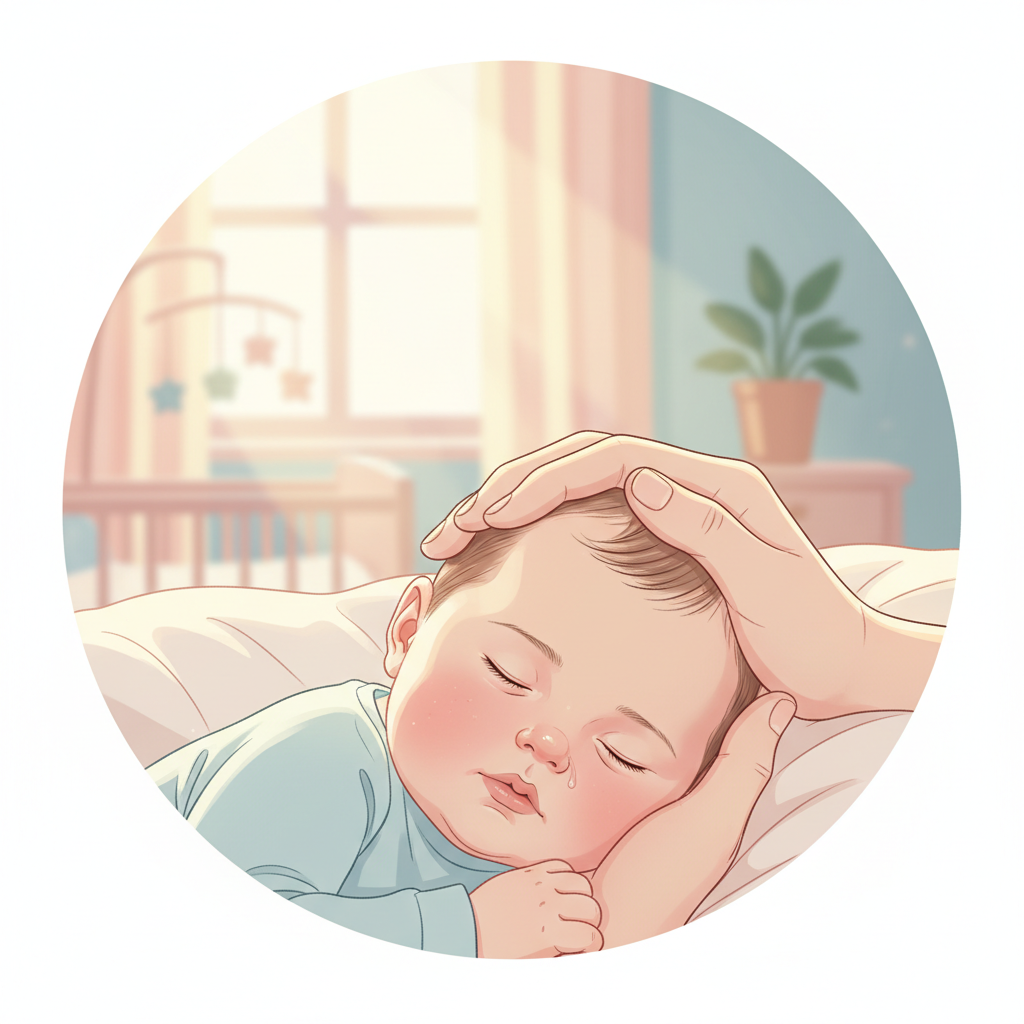
Managing Recurring Daycare Illness During Your Infant's First Year
Your baby has a runny nose, a mild cough, and a slightly elevated temperature, and it’s the third time this month they’ve brought something home from daycare. This constant cycle of illness is a common, and often overwhelming, reality for parents. If you find yourself wondering if your baby is "sick all the time" in daycare, you're not alone. It's a rite of passage for many little ones as their immune systems adapt to a new environment filled with new germs.
The Immune System and the Daycare Ecosystem
Infants are born with an immune system that is still developing. When they enter a group setting like daycare, they encounter a wide array of viruses and bacteria for the first time. This exposure, while challenging in the short term, is crucial for building long-term immunity. Think of it as a training ground.
The Centers for Disease Control and Prevention (CDC) notes that young children are particularly susceptible to infections due to their less mature immune systems and their tendency to put objects and hands in their mouths. Common culprits in daycare settings often include respiratory viruses like RSV, influenza, and the common cold, as well as gastrointestinal bugs.
While it feels like a never-ending onslaught of sickness, each infection helps your child’s body learn to fight off pathogens. The American Academy of Pediatrics (AAP) emphasizes that this repeated exposure is how children build robust immune defenses for life.
Practical Strategies for Managing Illness at Home
When your baby is sick, your focus shifts to comfort and recovery. The guidelines from the AAP and CDC offer practical advice for managing common symptoms.
For fevers, the AAP recommends using acetaminophen or ibuprofen (for babies over 6 months old) based on your baby's weight, if they are uncomfortable. Always use the provided dosing device. For nasal congestion, saline drops and a nasal aspirator can provide relief. A humidifier in the room may also help.
Keeping your baby well-hydrated is paramount. Offer breast milk or formula frequently. For older infants who have started solids, offer water or small amounts of diluted juice, but prioritize milk. Avoid dehydrating sugary drinks.
Sleep can be significantly disrupted. Try to maintain a consistent bedtime routine as much as possible, even if naps are shorter and sleep is more fragmented. Holding and comforting your baby can also be crucial during these times. If your baby’s sleep is consistently difficult, understanding why can help; for instance, 'baby waking every hour 5 months' might offer insight into sudden sleep changes.
When to Call the Pediatrician: Recognizing Red Flags
It's important to know when symptoms warrant professional medical attention. The AAP provides clear guidance:
- For infants under 3 months: A rectal temperature of 100.4°F (38°C) or higher requires an immediate call to your pediatrician.
- For infants 3-6 months: A rectal temperature of 102°F (38.9°C) or higher, or any fever accompanied by unusual fussiness, lethargy, or shortness of breath, should prompt a call.
- For infants over 6 months: While fever numbers might be higher, the AAP stresses that the child's behavior and overall appearance are more important indicators. Seek medical advice if your baby is unusually tired, irritable, refuses fluids, has difficulty breathing, or shows any other concerning symptoms.
Other red flags include persistent vomiting or diarrhea, difficulty breathing, a rash that doesn't fade when pressed, signs of dehydration (fewer wet diapers, no tears when crying), or any symptom that feels generally "off" to you as a parent.
Minimizing Exposure: What Daycares (and Parents) Can Do
Discover your baby's phase
Preventing illness entirely is impossible, but minimizing exposure is achievable. This involves a partnership between parents and daycare providers. Daycare policies are crucial for this, and understanding them can save a lot of hassle. For example, knowing 'questions to ask about staff turnover at potential daycare' can lead to better choices.
Many daycares have specific policies regarding illness, outlining when children must be kept home and when they can return. Familiarize yourself with these rules to ensure you're following guidelines designed to protect all the children. Maintaining a consistent routine across daycare and home is also beneficial, as suggested in '5 tips: maintain consistent routine across daycare & home'.
Hand hygiene is the cornerstone of germ prevention. Beyond basic handwashing, encourage frequent sanitizing with alcohol-based hand sanitizer (for supervising older children who can avoid ingestion). Ensure caregivers are meticulous about washing hands after diaper changes, before meals, and after playing. Teaching children to cough or sneeze into their elbow, rather than their hands, is also a vital habit.
Vaccinations are your infant's first and most powerful line of defense against serious illness. Keeping your baby’s immunizations up-to-date according to the CDC schedule protects them from many preventable diseases that can be particularly severe in young children.
The role of nutrition and supplements in immune support is often debated. While a balanced diet is crucial for overall health, the evidence for specific supplements significantly boosting a daycare-aged child's immune system against common viruses is limited. Focus on offering nutrient-rich foods as your baby progresses with solids. For example, '7 easy iron-rich vegetarian BLW recipes for 1-year-olds' can help ensure adequate nutrition.
To help prevent a one-year-old from getting sick at daycare, consistency in sleep, a balanced diet, and rigorous hand hygiene at home and daycare are key. Limiting exposure to sick individuals outside of daycare can also help.
Coping with the Reality: It's Hard on Everyone
The constant illness can be taxing, not only on your baby but on the entire family. Parents often find themselves on the receiving end of daycare germs, leading to their own bouts of sickness. This can create a challenging cycle where parents are trying to manage their child's illness while also dealing with their own symptoms.
Balancing work and sick days is a significant hurdle for many families. Communication with your employer about your family's needs is essential. Explore options like flexible work hours, remote work possibilities, or utilizing paid sick leave or family leave if available. Having a backup caregiver plan, even if it's just for a few hours, can sometimes provide crucial support. For navigating parental leave when changing jobs, 'managing parental leave, switching jobs while pregnant' offers helpful guidance.
Parental worry and guilt are also common. It’s natural to feel concerned about your baby’s well-being and frustrated by the disruption to your routine and work. Remember that this phase is temporary. The increased illness now is building crucial immunity for the future. Supporting your own emotional well-being through self-care, connecting with other parents, and seeking reassurance from your pediatrician can help manage these feelings.
When to Keep Your Baby Home: Navigating Daycare Policies
Understanding daycare sickness rules is critical for responsible childcare and preventing the spread of illness. These policies are often based on guidelines from public health organizations.
Fever guidelines typically state that a child with a temperature of 100.4°F (38°C) or higher must be kept home. Some facilities may require a child to be fever-free for 24 hours without medication before returning. The AAP's guidance on treating fever, as mentioned earlier, is important here; the number itself is less critical than the child's overall condition after 6 months of age, but daycare policies are generally more conservative.
For diarrhea and vomiting, most daycares require a child to be symptom-free for 24-48 hours before returning, especially if there's a suspicion of a contagious illness like norovirus. Rashes can be more complex; contagious rashes typically require a doctor's note or exclusion until the rash is gone or no longer considered infectious.
Returning to daycare often hinges on whether your child is well enough to participate in activities and no longer poses an infectious risk to others. This means they should be able to eat, drink, and engage comfortably. When in doubt, it's always best to err on the side of caution and keep your child home for an extra day.
Navigating your baby's first year in daycare is undoubtedly a steep learning curve, marked by sniffles, coughs, and frequent calls from the daycare provider. By understanding the "why" behind this cycle, implementing practical home-care strategies, and partnering with your childcare provider, you can move through this phase with greater confidence. Remember, this period of increased illness is a testament to your baby's developing immune system learning to thrive in a social world.