Pelvic Floor Exercises for Postpartum Prolapse Relief at Home
Learn effective pelvic floor exercises to reduce postpartum prolapse symptoms from home. Discover safe timelines, techniques, and when to seek professional help.
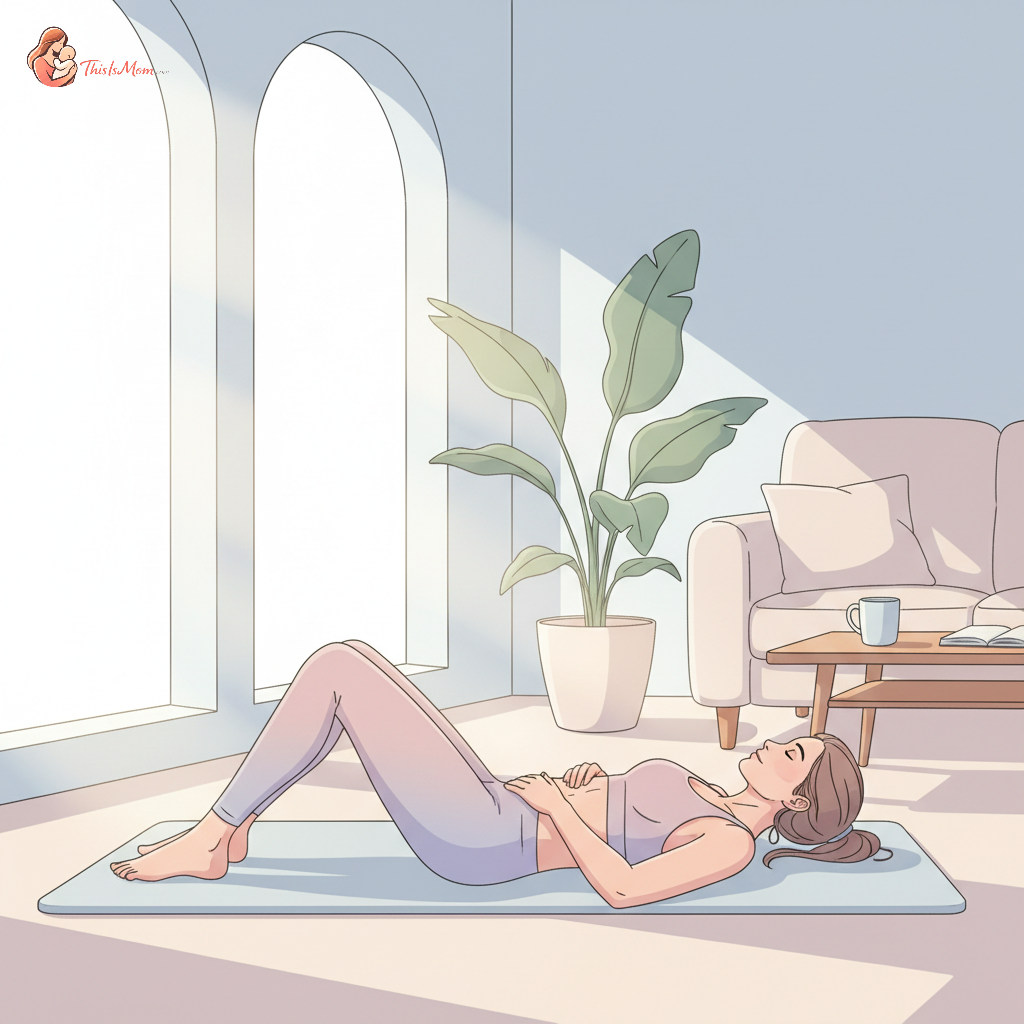
Pelvic Floor Exercises for Postpartum Prolapse Symptoms at Home
Your baby is here, and your body has done an incredible job. But are you experiencing new sensations or discomforts you didn't anticipate, like a feeling of heaviness or pressure in your pelvic area? This could be related to pelvic organ prolapse. While it can sound concerning, understanding what's happening and how to approach it is the first step. The good news is that targeted pelvic floor exercises can be a powerful tool to help manage and reduce prolapse symptoms postpartum, right in the comfort of your own home.
Understanding Postpartum Prolapse
Pregnancy and childbirth can place significant strain on the pelvic floor muscles. These muscles support your uterus, bladder, and rectum. During pregnancy, hormonal changes can relax these tissues, and the weight of the growing baby can stretch and weaken them. Labor, especially a lengthy one or one involving assisted delivery, further stresses these crucial muscles and the connective tissues that hold your pelvic organs in place.
This can sometimes lead to pelvic organ prolapse. It occurs when one or more of the pelvic organs – commonly the bladder or uterus – descends or sags into or out of the vagina.
Recognizing Early Symptoms
The symptoms of postpartum prolapse can vary and might not always be immediately obvious. You might notice:
- A feeling of heaviness, fullness, or a dragging sensation in your pelvis or vagina.
- A bulge or lump in the vaginal canal.
- Pain during sex.
- Difficulty with bowel movements or a sensation that you haven't fully emptied your bowels.
- Urinary issues, such as incontinence (leaking urine), a frequent urge to urinate, or difficulty emptying your bladder.
It's important to remember that these symptoms can also be related to other postpartum issues, so a proper assessment is key.
When to Start: Safe Timelines for Postpartum Pelvic Floor Work
Timing is everything when it comes to reintroducing activity after childbirth. The aim is to support rather than strain your healing body.
Starting Gentle Exercises After Vaginal Birth
For those who've had a vaginal birth, guidelines generally suggest that you can begin very gentle pelvic floor exercises, like basic Kegels, as soon as you feel able. This might be within a few days of delivery. The key is to listen to your body. If any movement or exercise causes pain, discomfort, increased pressure, or bleeding, stop immediately.
Pelvic Floor Exercises After C-Section
If you delivered via C-section, you still need to consider your pelvic floor. While abdominal muscles are cut internally, the pelvic floor muscles were still under strain during pregnancy and may have been affected by the birthing process itself. The postpartum recovery period for a C-section is longer, and it's generally recommended to wait until your six-week postpartum check-up before significantly increasing your activity level. However, gentle pelvic floor activation can often be started earlier, as tolerated and without pain.
Can Overdoing It Postpartum Cause Prolapse?
While it's unlikely that starting pelvic floor exercises too early will cause prolapse, overdoing any physical activity or returning to strenuous exercises too soon can potentially worsen existing symptoms or contribute to their development if your pelvic floor is already weakened. Research suggests that focusing on gentle, progressive strengthening is crucial for postpartum recovery. Pushing yourself too hard before your body is ready can undo some of the healing that has occurred. returning-to-work-desk-job-with-pelvic-floor-weakness-tips.
Gentle & Effective Pelvic Floor Exercises for Prolapse Symptoms at Home
The goal of these exercises is to gently strengthen and retrain your pelvic floor muscles, improving their ability to support your pelvic organs and reduce prolapse symptoms.
The Foundational Kegel: A Fresh Look at the Classic Exercise
Kegel exercises are the cornerstone of pelvic floor strengthening. Often, people do them incorrectly, so let's revisit the technique.
- Find the Muscles: Imagine you are trying to stop the flow of urine mid-stream or prevent passing gas. The muscles you squeeze are your pelvic floor muscles.
- The Squeeze and Lift: Contract these muscles gently. You should feel a sense of upward and inward lift. Avoid squeezing your buttocks, thighs, or abdomen, and don't hold your breath.
- Hold and Relax: Hold the contraction for a few seconds (start with 3-5 seconds). Then, completely relax the muscles for the same amount of time.
- Repetitions: Aim for 10-15 repetitions, several times a day.
The Mayo Clinic offers detailed guidance on performing Kegel exercises correctly.
Beyond Kegels: Other Strengthening Moves for Pelvic Support
Once you've mastered the basic Kegel, you can incorporate other movements that engage and support your pelvic floor.
- Pelvic Tilts: Lie on your back with your knees bent and feet flat on the floor. Gently flatten your lower back against the floor by tightening your abdominal muscles and tilting your pelvis upward slightly. Hold for a few seconds and release. This is a gentle way to engage your core and pelvic floor.
- Bridges: Lie on your back with knees bent and feet flat. Gently engage your pelvic floor and gluteal muscles, then lift your hips off the floor. Hold for a few seconds and slowly lower back down. This exercise builds strength in your glutes and supporting back muscles, which indirectly help pelvic support.
Breathing Techniques to Support Your Pelvic Floor
Your breath is intimately connected to your pelvic floor. Learning to breathe diaphragmatically can help relax and then engage your pelvic floor effectively.
- Inhale: As you inhale, your diaphragm moves down, and your pelvic floor should gently relax and descend. Imagine your belly expanding softly.
- Exhale: As you exhale, your diaphragm moves up, and your pelvic floor should gently lift and contract. Imagine your belly contracting.
Practicing this coordinated breathing can help you become more aware of your pelvic floor throughout the day.
Discover your baby's phase
Pelvic Floor Exercises for Postpartum Incontinence
Urinary incontinence is a common issue postpartum and often linked to a weakened pelvic floor. The same pelvic floor exercises for prolapse also help with incontinence. By strengthening these muscles, you improve your ability to control urine flow. Consistency is key; regular practice of Kegels and supporting exercises can lead to significant improvement.
Exercises to Avoid with Postpartum Prolapse & How to Modify Your Routine
Certain movements can place excessive downward pressure on your pelvic floor, potentially exacerbating prolapse symptoms.
High-Impact Moves That Can Worsen Symptoms
Activities like running, jumping, high-intensity interval training (HIIT), or anything involving significant impact should be approached with caution. These can jolt your pelvic organs and worsen feelings of pressure or leakage. It's generally advised to wait until your pelvic floor has regained some strength and your healthcare provider gives you the go-ahead before returning to high-impact activities.
Lifting and Straining: What to Know and How to Adjust
Lifting heavy objects – including your baby or a car seat – requires proper technique to protect your pelvic floor. When you lift, you naturally bear down (Valsalva maneuver), which increases intra-abdominal pressure. returning-to-work-desk-job-with-pelvic-floor-weakness-tips.
- Engage First: Before you lift, gently engage your pelvic floor muscles.
- Exhale on Effort: Exhale as you lift, rather than holding your breath.
- Bend Knees: Always bend your knees and lift with your legs, keeping your back straight.
- Lighten the Load: If possible, break down heavy loads or ask for help.
Modifying Daily Activities for Pelvic Floor Health
Even everyday tasks can impact your pelvic floor. Be mindful of:
- Standing: Avoid standing for prolonged periods.
- Pushing/Straining: Resist pushing heavily on the toilet or straining to get out of a chair.
- Sitting: Ensure good posture when sitting; avoid slouching.
Beyond Exercises: Holistic Tips for Healing & Managing Prolapse
Strengthening exercises are crucial, but a comprehensive approach to healing can significantly support your pelvic floor recovery.
Nutrition and Hydration for Tissue Recovery
Adequate hydration is essential for healthy tissues, including those supporting your pelvic floor. Staying well-hydrated helps prevent constipation, which can lead to straining. A diet rich in fiber can also promote regular bowel movements and reduce the need for straining.
Good Bathroom Habits for Pelvic Support
Don't rush your bathroom trips. Allow yourself time to empty your bladder and bowels completely. Avoid "hovering" over public toilets, which can tense muscles unnecessarily. If you experience constipation, discuss fiber-rich foods and hydration with your healthcare provider.
Posture Matters: How You Sit, Stand, and Move
Good posture aligns your body and reduces undue stress on your pelvic floor. When sitting, relax your shoulders, sit tall, and ensure your feet are flat on the floor. When standing, try to distribute your weight evenly and avoid locking your knees. Being mindful of your posture throughout the day can make a difference.
When to Talk to Your Doctor: Professional Guidance for Prolapse
While home exercises are beneficial, it's essential to know when to seek professional medical advice.
Signs Your Symptoms Need Medical Attention
If you experience any of the following, it's time to schedule an appointment with your healthcare provider:
- A persistent or worsening feeling of heaviness or pressure.
- A visible bulge that doesn't disappear.
- Pain during intercourse.
- Significant difficulty with bowel or bladder function.
- Any bleeding from the vagina that isn't related to your menstrual cycle.
- If your symptoms interfere with your daily activities or quality of life.
Exploring Treatment Options Beyond Home Exercises
Your doctor can properly diagnose the extent of prolapse and discuss various treatment options. These might include lifestyle modifications, specific medical devices such as a pessary (a supportive device inserted into the vagina), or, in some cases, surgery. The U.S. Department of Health and Human Services provides overviews of women's health conditions, including prolapse. returning-to-work-desk-job-with-pelvic-floor-weakness-tips.
Finding a Pelvic Floor Physical Therapist
For many women, a pelvic floor physical therapist is an invaluable resource. These specialists are trained to assess and treat pelvic floor dysfunction, including prolapse. They can provide personalized exercise programs, manual therapy, and education to help you regain strength and manage your symptoms effectively. They are experts in safe exercises for pelvic floor prolapse beyond what you can achieve with general guidance.