Prepare Pets for New Baby: Step-by-Step Transition Guide
Learn how to prepare your pets for a new baby's arrival with this comprehensive guide. Ensure a smooth, safe transition for dogs, cats, and your newborn through phased preparation.
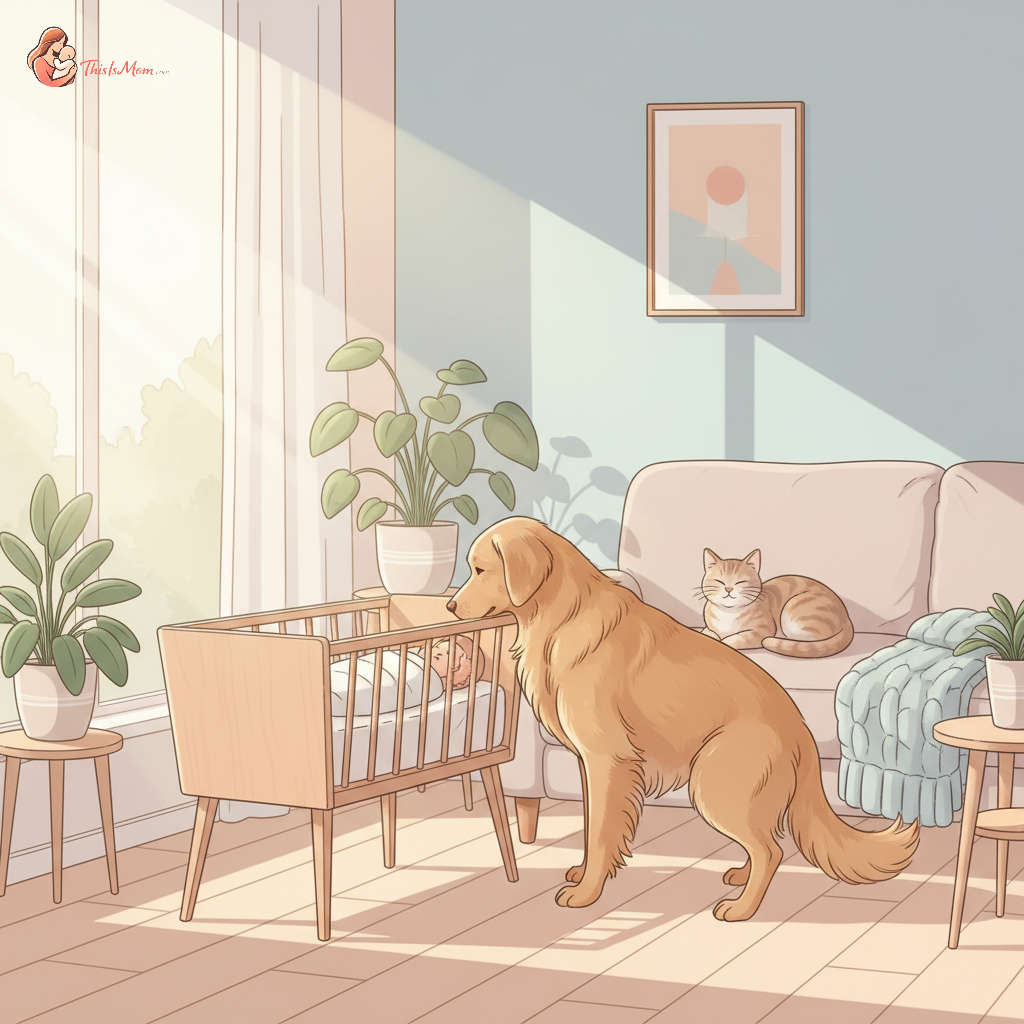
How to Prepare Pets for Your New Baby's Arrival: A Step-by-Step Transition Guide
Your furry family members have been by your side, offering unconditional love and companionship. Now, a new addition is on the way, and you're wondering: how do I prepare my pets for a new baby? It's a common concern for expectant parents, and with good reason. A thoughtful, phased approach can help ensure a smooth and safe transition for everyone, from your most seasoned dog to your aloof cat, and of course, your new arrival.
Why Early Preparation Matters: Setting the Stage for Success
Pets thrive on routine and predictability. The arrival of a baby brings significant changes to a household – new smells, sounds, schedules, and a shift in parental attention. Understanding your pet's perspective is key. For dogs, this might mean changes to walks, playtime, and who gets their attention. For cats, who often value quiet and familiarity, a sudden disruption can be unsettling. Research suggests that abrupt changes can lead to stress, anxiety, and even behavioral problems in pets.
The Impact of Routine Changes on Pets
Pets learn to anticipate their world based on consistent patterns. When these patterns are disrupted, their sense of security can be shaken. A dog accustomed to morning walks might become anxious if those walks are suddenly delayed or skipped. A cat used to napping undisturbed might feel threatened by new noises or constant activity.
Benefits of a Calm, Gradual Introduction
A calm, gradual introduction process, as outlined by veterinary behaviorists and animal welfare organizations, offers several benefits. It allows pets to adapt at their own pace, reduces their stress levels, and helps them associate the baby with positive experiences rather than anxiety. This proactive approach significantly increases the likelihood of harmonious coexistence.
Phase 1: Pre-Baby Prep – The Weeks and Months Before Arrival
The earlier you start preparing your pets for a new baby, the better. This phase is all about gradual acclimatization and reinforcing good habits.
Familiarizing Pets with Baby Items
Introduce baby-related items slowly. Let your dog sniff the stroller or your cat investigate the bassinet while you're around. Play recordings of baby sounds—crying, cooing—at a low volume, gradually increasing it. Associate these new stimuli with positive reinforcement, like treats or praise. This helps them get used to new scents and sounds before the baby is actually present.
Adjusting Pet Routines Gradually
Before the baby arrives, begin adjusting your pets' routines to reflect what life might be like with a newborn. If your pet currently gets a lot of attention at specific times, start to slightly reduce that attention during those periods and offer it at other times. If their feeding or walking schedule will change, begin those modifications now. This gradual shift is far less disruptive than an immediate overhaul.
Addressing Existing Behavioral Issues
This is an excellent time for a refresher on basic obedience training, especially for dogs. Reinforce commands like "sit," "stay," and "leave it." If your pet has any existing behavioral challenges, like resource guarding or excessive jumping, work on addressing these issues now with positive training methods or consult a professional.
Establishing 'Baby-Free' Zones and Safe Spaces for Pets
Designate areas in the house where the baby will be, but pets will not, or vice versa. Ensure your pets have their own safe haven – a quiet room, a comfortable bed, or a crate – where they can retreat and feel secure. This is crucial for their well-being, providing them with a predictable escape from potential stressors.
Phase 2: Hospital Stay & First Scents – Building Anticipation
While you're in the hospital welcoming your little one, your pets can continue their adjustment process.
Introducing Baby's Scent Before They Come Home
Before the baby is brought home, have a family member or friend bring a blanket or piece of clothing that has the baby's scent home to your pets. Allow them to sniff it in a calm environment. This gives them a preview of the new family member's smell and can reduce the surprise factor upon arrival.
Maintaining Normalcy for Pets During Your Absence
Discover your baby's phase
Try to keep your pets' daily routines as normal as possible while you're away. Have a trusted friend or family member maintain their feeding schedule, walks, and playtime. This continuity helps them feel more secure during your absence.
The First Reunion: Keeping It Calm and Controlled
When you first return home, greet your pets before you go to the baby. Have someone else carry the baby. Let your pets greet you calmly. Once they are settled, allow them to calmly sniff the baby from a distance. Keep the initial reunion short and positive.
Phase 3: Bringing Baby Home – Controlled Introductions
The first few days and weeks at home require careful management to ensure positive interactions.
Initial Meeting Strategies
For dogs, the first introduction should ideally happen when the dog is on a leash, allowing you to maintain control. Let them approach the baby calmly, always under close supervision. For cats, a gradual introduction is often best. You might start by allowing the cat to observe the baby from a distance, perhaps from a doorway or carrier, before moving to more direct interaction.
Supervised Interactions: Recognizing Stress Signals in Pets
Always supervise interactions between pets and the baby. Learn to recognize signs of stress in your pets. For dogs, this might include excessive yawning, lip licking, tail tucking, or trying to escape. For cats, it could be flattened ears, a twitching tail, hissing, or dilated pupils. If you see these signals, calmly remove the pet from the situation and provide them with space.
Teaching Gentle Handling for Older Pets
If you have an older child, teach them how to interact gently with the pets around the baby. Emphasize soft petting, avoiding pulling tails or ears, and respecting the pet's space. This is vital for preventing accidental injuries to either the pet or the child. You can start by explaining simple concepts like why screen time limits are important for their own development and how respecting boundaries is key.
Managing Multiple Pets with a Newborn
If you have multiple pets, ensure each pet gets individual attention. Introduce them to the baby one at a time, if possible, to avoid overwhelming any single animal or creating competition for attention.
Ongoing Harmony: Life with Baby and Pets
Maintaining a peaceful environment requires ongoing effort and attention to your pets' needs.
Maintaining Boundaries and Safe Zones
Continue to respect the established 'baby-free' zones for pets and ensure their safe spaces remain undisturbed. This is critical for their ongoing comfort.
Ensuring Pets Still Get Attention and Exercise
It's easy for pets to get overlooked with a new baby. Make a conscious effort to carve out time for them. This might be a quick game of fetch in the yard, a short walk, or just a few minutes of dedicated petting and grooming. Adequate exercise and mental stimulation are essential for preventing boredom and behavioral issues.
Never Leaving Pets Unsupervised with Baby
This is the golden rule: never leave your baby and a pet unsupervised, regardless of how trustworthy the pet has always been. Even well-behaved animals can react unpredictably to a baby's sudden movements or cries. Always prioritize supervision during any interaction. This is similar to the care needed when a toddler and new baby share a room, where constant vigilance is key.
When to Seek Professional Help
If you're struggling with your pet's behavior, or if you notice persistent signs of stress or aggression, don't hesitate to seek professional guidance. A certified applied animal behaviorist or a veterinarian specializing in behavior can offer tailored strategies and support for integrating your pets into your growing family.
Bringing a new baby home is a significant life event for all family members, including your beloved pets. By implementing these preparatory steps and maintaining a mindful approach, you can foster a loving and safe environment where both your new baby and your furry companions can thrive together. Remember, patience and consistency are your greatest allies in navigating this exciting new chapter.