Toddler & New Baby Sharing a Room: A Guide for Parents
Discover practical strategies for helping your toddler adjust to a new baby sleeping in the same room. Create harmony and ensure safe sleep for both children.
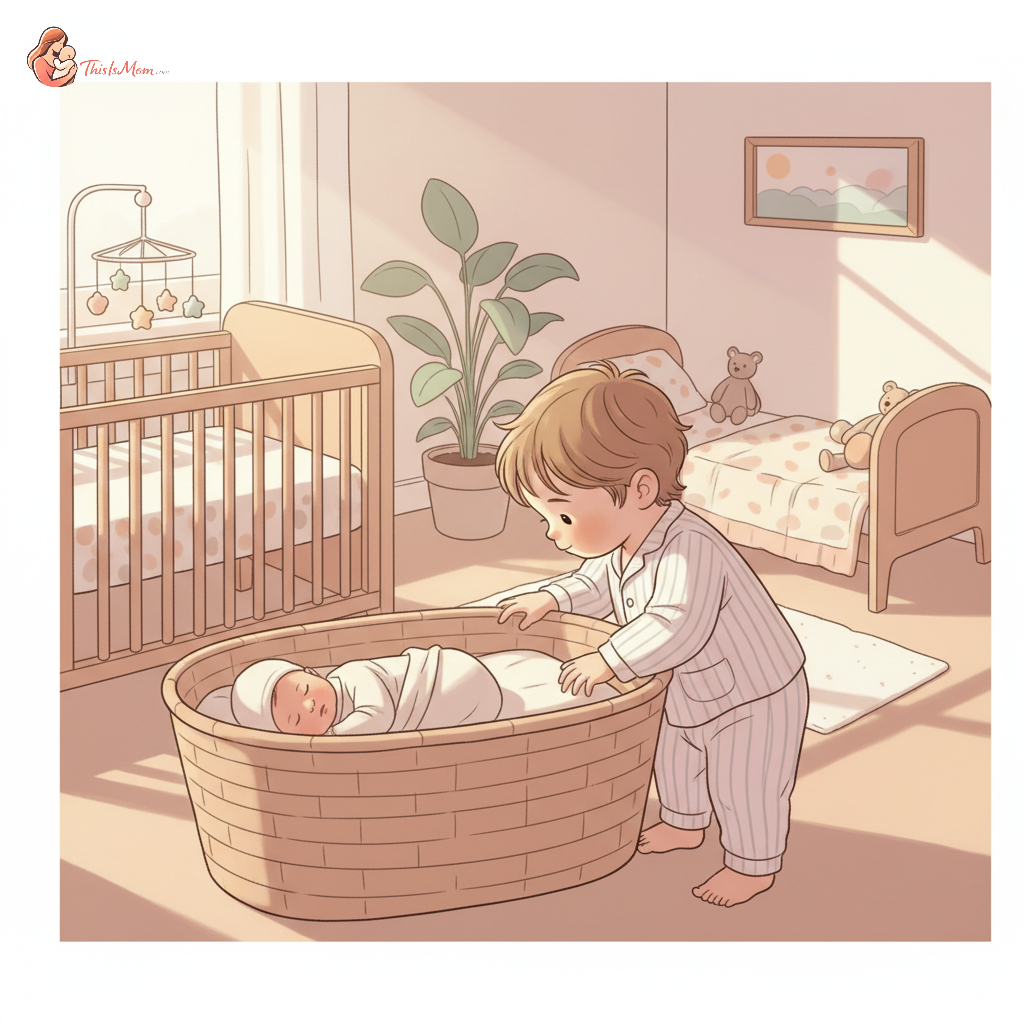
Sharing Space, Sharing Dreams: Helping Your Toddler Adjust to a New Baby
With my first, Leo, the idea of him sharing his nursery with a newborn felt utterly impossible. I pictured constant wake-ups, disrupted routines, and a general nursery-wide meltdown. By my fourth, however, the reality of two under two meant room sharing was less a question of "if" and more a question of "how." Looking back, the biggest shift wasn't in my kids, but in my own expectations. The smooth transition we eventually found wasn't some magic formula, but a series of small, intentional steps that made helping my toddler adjust to a new baby sleeping in the same room feel manageable.
Is It Even Okay for Them to Sleep Together?
This is probably the first hurdle for most parents. The idea of a tiny, vulnerable newborn and a curious, mobile toddler sharing a sleep space can sound like an accident waiting to happen. The truth nobody tells you is that with careful planning, it’s not only safe but can foster closeness.
What the Experts Say About Siblings Sharing a Room
For toddler and baby room sharing specifically, the American Academy of Pediatrics (AAP) emphasizes safe sleep practices for each child independently. This means adhering to their guidelines for newborns – a firm mattress, no loose bedding, and sleeping on their back in their own crib or bassinet. For the toddler, it's about ensuring their sleep environment remains safe and conducive to their developmental needs. The key isn't about isolating them completely, but about ensuring both have a designated, safe place to rest.
Creating Distinct Sleep Zones
This doesn't mean you need a mansion with separate Wing A and Wing B. In newborn and toddler sleeping in the same room, distinct zones are crucial. For the baby, this is their crib or bassinet, ideally placed away from the toddler's bed or play area. For the toddler, it might be their bed, a cozy floor mattress, or even a dedicated play mat area within the room if their bed is close to the baby's. The goal is to create a sense of personal space for each child, even within the same four walls.
My Own Worries, and How They Faded
I remember agonizing over what if scenarios. What if the toddler bopped the baby? What if the baby’s cries drove the toddler insane? What if they never slept again? The most vital lesson I learned is that many of these anxieties are amplified in our minds. Giving yourself grace and focusing on what you can control—setting up the space safely and calmly—goes a long way.
Welcoming Your Toddler's Tiny New Roommate
Preparing your toddler for the arrival of a baby sibling is a marathon, not a sprint. It starts long before the bassinet is even in the room. Involving your older child in the process can make them feel like a partner, not a displaced monarch.
Nursery Prep: A Team Effort
Let your toddler help! Even small contributions matter. They can help pick out a blanket for the baby (from a pre-approved, safe selection, of course), choose a mobile, or even help "decorate" a corner of the room with their own artwork. This hands-on involvement for toddler and baby sleep in one room fosters a sense of ownership and excitement about their new sibling.
Stories and Role-Playing: Practicing Siblinghood
There are wonderful children's books that introduce the idea of a new baby. Reading them together regularly provides a gentle narrative. We also did a lot of role-playing. "Let's pretend the baby is crying. What can we do to help Mommy quietly?" This helps them understand the baby’s needs and their own role in a kind, non-demanding way.
Gradual Introductions Before the Baby Arrives
If possible, start a little shift before the baby comes home. If the toddler is moving to a new bed or a different area of the room, let them get used to it in their own time. This way, the room share isn't a massive change on top of the overwhelming arrival of a new baby.
Navigating Those First Fragile Weeks of Room Sharing
The initial period of managing sleep for a toddler and baby when they share a room is often about survival and establishing a new rhythm. My biggest piece of advice? Prioritize your toddler's established sleep schedule as much as humanly possible.
The Toddler's Schedule Reigns (Mostly) Supreme, At First
Discover your baby's phase
In the very early days, the newborn’s sleep is unpredictable. Your toddler, however, likely has a more predictable rhythm. It’s worth your utmost effort to keep their nap times and bedtime consistent. This provides a sense of stability for them amidst all the newness. If the baby happens to be asleep at naptime, fantastic! If not, you might need to be strategic with soothing techniques.
The Magic of White Noise
A reliable white noise machine is your best friend for toddler and baby sleeping in the same room. It can mask the sounds of one baby waking up, the rustle of sheets, or even early morning light. We found a machine that allowed us to adjust the volume and sound type, which was helpful. Position it strategically so it benefits both children. You can find great options for portable sound machines for infant naps that can be utilized here.
The Wake-Up Dilemma
This is where patience and practice come in. If the baby cries and wakes the toddler, you assess. Can you quickly soothe the baby back to sleep with minimal noise? If the toddler wakes, acknowledge them calmly. "Shhh, baby is sleeping. Let's be quiet astronauts." Sometimes, a quick cuddle or a sip of water is all they need to resettle. If the toddler can’t settle, you might need to temporarily bring them to another room for a few minutes until the baby is quiet again and then try to resettle them both.
Building Long-Term Harmony in Their Shared Sleep Space
Once you’ve navigated the initial whirlwind, you can start to focus on creating a sustainable system for room sharing siblings. This involves setting boundaries and optimizing the environment for both children.
Separate But Equal Bedtime Rituals
While they share a room, their pre-sleep routines can (and should) be slightly different. Your toddler might thrive on a bath, a story, and songs, while the baby needs a feed, a change, and gentle rocking. Performing these in sequence, or even in slightly different areas of the room, can help delineate the end of the active day and the start of sleep time for each.
The Power of Dividers and Darkness
Blackout curtains are non-negotiable for babies and often beneficial for toddlers, especially during disruptive transition periods. For older toddlers who might be more mobile, a small, sturdy room divider can create a visual separation that respects their space and might deter them from interacting with the crib when they should be sleeping.
Knowing When to Reassess
This is crucial. Room sharing isn't a rigid rule. If, after a few weeks or months, sleep is consistently poor for both children, or if there are significant behavioral issues, it might be time for a change. Perhaps the toddler needs their own room again for a while, or the baby can move to a bassinet in your room for a staggered period. This isn't failure; it's responsive parenting. You might also consider alternatives to swaddling if your baby is rolling or how to manage the 4-month sleep regression without cry-it-out if sleep becomes an issue.
Understanding the Toddler's World in All This
The helping a 2-year-old adjust to a new baby's presence in their room is often about navigating their burgeoning independence mixed with a sudden need for attention. They can’t fully articulate their feelings, so we have to tune in.
Jealousy is Real, and That's Okay
It's natural for a toddler to feel a pang of jealousy. Their world has changed dramatically. They were the center of attention, and now there's this noisy, demanding little creature. Acknowledge these feelings. "It's hard when Mommy has to feed the baby, isn't it? Let's play with your blocks while we wait." You can find screen-free activities for toddlers to help redirect their energy. Validate their emotions without giving in to demands that disrupt sleep or safety.
Sleep Disruptions: A Toddler's Way of Communicating
Often, sleep disruptions from a toddler aren't about the baby at all, but about their own big feelings. They might be acting out jealousy, testing boundaries, or struggling with a change. If your toddler is waking frequently, or actively trying to "play" with the baby, gently redirect them back to their own sleep space and reassure them. If they are experiencing waking every hour it may be related to developmental stages.
Beyond the Rules: Adapting to Your Children
Forget rigid rules like the "3-3-3 rule" for babies when the stakes are this high. Focus on what your specific children need. If your toddler is a light sleeper and the baby's grunts are a constant trigger, then perhaps a temporary separation is needed. If your children actually seem to sleep better with each other’s ambient noise, lean into that. You are the expert on your own children. Consider co-sleeping safety guidelines if that's an option you're exploring.