5 Red Flags it's an Ear Infection (Not 12-Month Sleep Regression)
Is your 12-month-old's sleep regression actually an ear infection? Learn 5 critical red flags to distinguish between developmental leaps and ear pain. Includes symptoms & when to call the pediatrician.
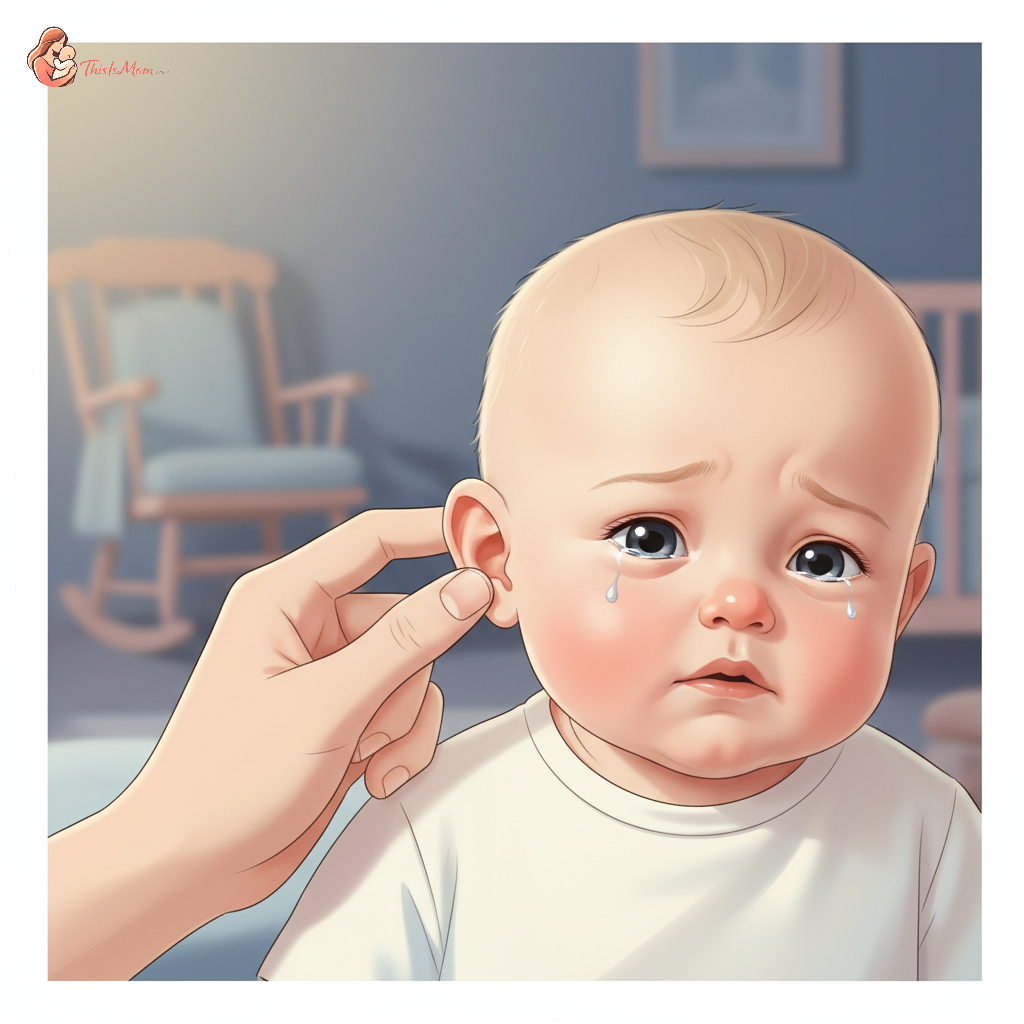
Is Your 12-Month-Old Suddenly Wide Awake? Red Flags for Sleep Regression vs. Ear Infection
Your 12-month-old, who was just starting to gain some sleep momentum, is now waking multiple times a night, crying inconsolably. Is this the dreaded 12-month sleep regression, or could it be something more? Pinpointing the cause of new sleep disruptions can be tricky for parents. We're here to help navigate those red flags a 12-month sleep regression is actually an ear infection, ensuring you can provide the best care for your little one.
The 12-Month Sleep Shift: What's Typical?
It’s a common question for parents: "Why is my 12-month-old having a sleep regression?" Around the one-year mark, babies often experience significant developmental leaps. These can include newfound mobility (cruising or even walking!), practicing new communication skills like saying "mama" or "dada," and increasing independence.
These exciting milestones can temporarily disrupt established sleep patterns. The American Academy of Pediatrics (AAP) notes that developmental changes are a frequent culprit behind sleep disturbances in infancy and toddlerhood. Your baby might be struggling to settle down because their brain is busy processing all these new skills and sensations.
Understanding Typical 12-Month Sleep Regression Behaviors
During a typical 12-month sleep regression, you might observe a few key behaviors:
- Increased night wakings, often with significant fussiness.
- Difficulty settling down for naps or bedtime.
- Shorter nap durations.
- More clinginess or a need for extra comfort.
These regressions are usually temporary, often lasting a few weeks, as your baby adjusts to their new developmental abilities. The key is often observing the overall behavior and well-being of your child.
Decoding the Red Flags: When Sleep Changes Hint at an Ear Infection
While developmental leaps are a common reason for sleep regressions, it's important to consider other possibilities, especially when symptoms seem unusually severe or persistent. Sometimes, a change in sleep can be an early indicator of a medical issue, such as an ear infection.
Beyond Fussiness: Specific Signs to Watch For
Beyond general fussiness and increased night wakings, certain signs might point towards an ear infection:
- Tugging or pulling at the ear: While babies often do this when teething, persistent ear-tugging, especially combined with other symptoms, warrants closer examination.
- Unusual irritability or crying that doesn't easily soothe: If your baby is inconsolable, even with comfort measures, it could signal more than just a developmental phase. This is especially concerning if your baby is also refusing fluids, which can be a sign of dehydration. toddler refusing water during illness what to do
- Loss of appetite or difficulty feeding: Pain can make feeding uncomfortable, leading to reduced intake. This can also be a concern if your baby is refusing specific food groups.
- Discharge from the ear: This is a clear sign of a potential ear issue.
The Centers for Disease Control and Prevention (CDC) highlights that ear infections are common in young children and can cause significant discomfort.
Disrupted Sleep as a Primary Symptom
For many babies, ear infections translate directly into sleep problems. The pain associated with an ear infection can be exacerbated when lying down flat, leading to frequent waking and difficulty falling or staying asleep. Research suggests that ear pain can be particularly troublesome at night for infants.
Ear Infection Symptoms in Babies Without a Fever
It's a common misconception that a fever is always present with an ear infection. The Mayo Clinic states that not all babies with ear infections will have a fever. This can make spotting an ear infection, particularly during a sleep regression when fever might not be the most obvious symptom, even more challenging.
Therefore, when your baby’s sleep patterns drastically change, it's essential to look for a cluster of symptoms, not just a single one like fever. The absence of a fever does not rule out an ear infection.
Spotting Ear Infection Signs in Breastfed Babies
If your baby is breastfed, you might notice specific cues during nursing that could indicate ear discomfort. For formula-fed babies, signs of dairy protein intolerance vs. lactose sensitivity can also sometimes mimic ear infection symptoms, so it's important to consider all possibilities.
Unique Cues to Look For During Feeds
When a baby has an ear infection, the act of sucking and swallowing can create pressure changes in the middle ear, increasing pain. For breastfed babies, this can manifest as:
Discover your baby's phase
- Refusal to nurse or taking only short sips before pulling away.
- Increased fussiness or crying during nursing sessions.
- Difficulty latching or staying latched.
These behaviors can be mistaken for nursing strikes or other feeding issues, but in conjunction with other signs, they could point to an underlying ear problem.
Behavioral Changes During Feeds
Even if your baby continues to nurse, you might observe subtle behavioral changes. They might seem more agitated, less focused on feeding, and generally uncomfortable. If your baby was previously a consistent and content nurser, a sudden change in their feeding demeanor warrants attention.
When Ear Infections Hurt Most: Nighttime Woes
The nighttime disruption is often what brings the issue to a parent's attention. Ear infections can be particularly painful for infants when they are trying to sleep.
Why Pain Might Intensify When Lying Down
The anatomy of the ear and the effects of gravity play a role here. When a baby lies down, the fluid in the middle ear can pool and increase pressure, leading to more intense pain. This is why many babies with ear infections seem to improve when held upright.
Managing Discomfort for Better Sleep
While it's crucial to get a proper diagnosis from a pediatrician, some temporary comfort measures can help your baby try to rest.
- Elevate the head of the crib: Place a folded towel or thin pillow underneath the mattress at the head of the crib to create a slight incline. Never place loose pillows in the crib with a baby.
- Keep baby upright as much as possible: Holding your baby in an upright position can help alleviate pressure.
- Offer comfort: Gentle rocking and reassurance can provide temporary relief.
These measures are not a substitute for medical treatment but can help make your baby more comfortable. Remember, the primary goal is to identify the cause and seek appropriate medical care.
What To Do: Next Steps for Suspected Ear Infections
If you suspect your baby's sleep issues are more than just a regression, it's time to take action.
When to Call the Pediatrician (and What to Tell Them)
The AAP recommends contacting your pediatrician if you suspect an ear infection, especially if your baby has any of the following:
- Fever: A fever of 100.4°F (38°C) or higher in an infant younger than 3 months, or any fever in an older baby that concerns you.
- Persistent ear pain or discomfort.
- Discharge from the ear.
- Sudden or worsening irritability and crying.
- Changes in feeding or bowel habits.
When you call, be prepared to describe your baby's symptoms clearly: How long has the sleep disruption been happening? What specific behaviors are you seeing? Is there any fever? Is your baby pulling at their ear? Are they feeding differently? For parents of infants, understanding newborn noisy sleep grunts and snorts is also important context, but persistent distress needs medical attention. The more detail you can provide, the better your pediatrician can assess the situation.
Comfort Measures to Help Your Baby Sleep
If a pediatrician confirms an ear infection, they will discuss treatment options, which may include antibiotics or pain management. In the meantime, continuing with comfort measures like elevating the head of the crib and providing comfort is important. Pain relievers like acetaminophen or ibuprofen, as recommended by your pediatrician, can also be very effective in managing discomfort and, consequently, improving sleep.
How Long Does It Take for an Ear Infection to Heal with Antibiotics?
Per guideline recommendations, if antibiotics are prescribed, you should typically see improvement in your baby's symptoms within 24 to 48 hours. Pain and fever usually subside quickly. However, it's crucial to complete the entire course of antibiotics as prescribed by your pediatrician, even if your baby seems to be feeling better. This ensures the infection is fully cleared and reduces the risk of recurrence or antibiotic resistance.
A Path Forward
Navigating these blurry lines between normal developmental stages and potential illness can be exhausting. Remember that while sleep regressions are a normal part of parenting, persistent or severe changes warrant a closer look. Trust your parental instincts, gather your observations, and collaborate with your pediatrician. You're doing a great job supporting your little one through these challenging phases, whether they’re mastering new skills or fighting off an infection.