Toddler Refusing Water During Illness? What To Do
Is your toddler refusing water when sick? Learn expert tips, creative fluid ideas, and crucial signs of dehydration to watch for when your child is ill.
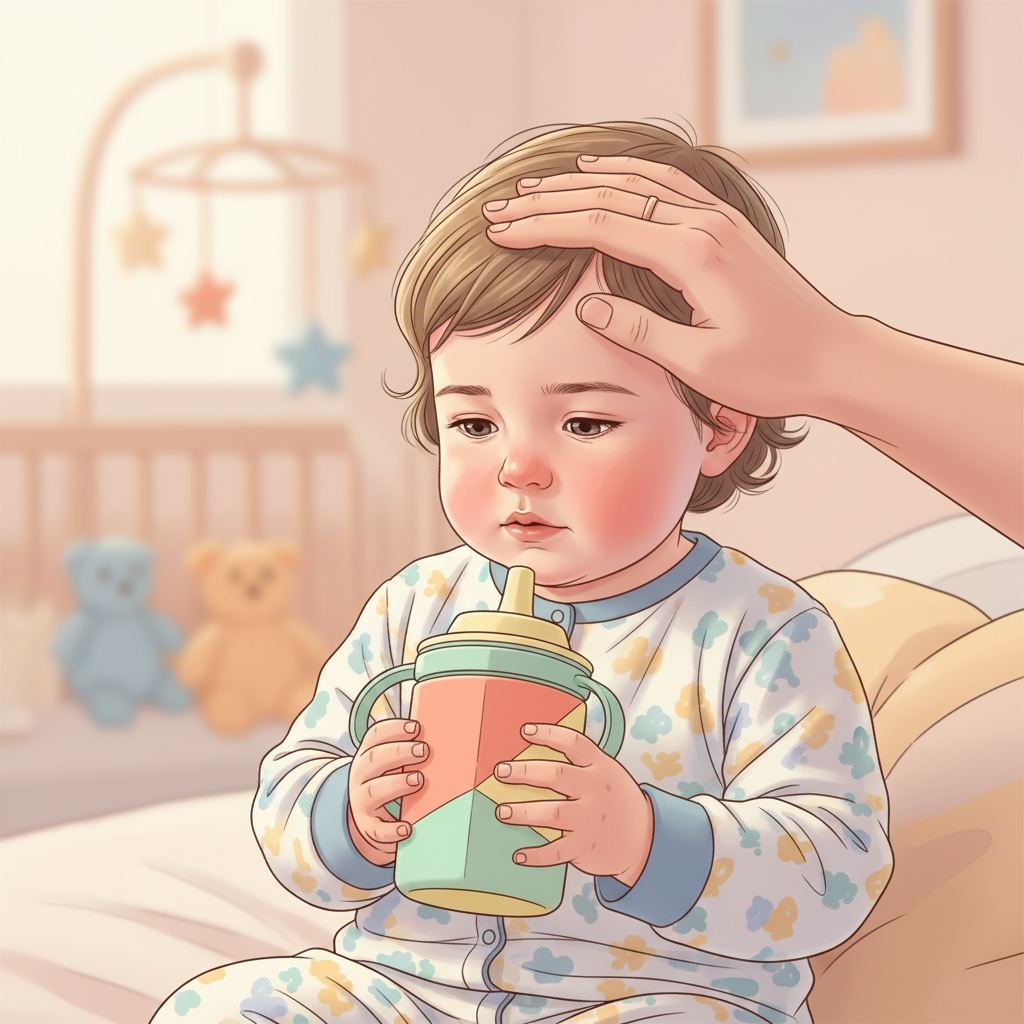
Toddler Refusing Water During Illness? What To Do About Hydration
When your toddler is sick and refusing to drink fluids, it can be a significant worry for parents. This is a common concern, and the good news is there are clear strategies grounded in pediatric healthcare guidelines to help you navigate this challenging situation.
When Your Sick Toddler Says 'No!' to Water: Why Hydration Matters
When your child is unwell, their body works overtime to fight off infection. This increased effort, coupled with potential fluid loss from fever, vomiting, or diarrhea, makes hydration absolutely crucial. The Centers for Disease Control and Prevention (CDC) emphasizes that staying well-hydrated helps the body function optimally, even when battling illness.
Signs that your toddler might be getting dehydrated go beyond just a dry mouth. The American Academy of Pediatrics (AAP) highlights several indicators:
- Fewer wet diapers: This is a key marker. For toddlers, observe significant decreases in urination frequency or dryness for 6-8 hours.
- Lethargy or unusual sleepiness: If your child is much less active than normal and difficult to rouse, it’s a concern.
- Dry mouth and tongue: A noticeably dry mouth can be an early sign.
- Crying without tears: Even when upset, a well-hydrated child will typically produce tears.
- Sunken eyes: This is a more advanced sign of dehydration.
If you notice multiple of these signs, it’s time to pay close attention to your toddler's fluid intake.
Smart Sips: Creative Ways to Offer Fluids (Beyond Plain Water)
When plain water is a no-go, it’s time to get creative. The goal is to offer fluids that are appealing, yet beneficial for hydration.
Hydrating Heroes: Oral Rehydration Solutions (ORS)
For significant fluid loss, such as from vomiting or diarrhea, oral rehydration solutions (ORS) are the gold standard, according to the AAP. Products like Pedialyte are specifically formulated with the right balance of electrolytes and sugar to help the body absorb fluids efficiently. They are more effective than plain water or sugary drinks for rehydration.
- How to offer: Offer small amounts frequently. Even a tablespoon every 15-20 minutes can make a difference.
- Flavors: Many ORS come in various flavors that some toddlers find more palatable.
The Fruit Juice Dilemma: When and How Much
The AAP generally advises limiting 100% fruit juice for children over one year of age due to its sugar content, which can contribute to dental issues and diarrhea if consumed excessively. However, during illness, a small amount of diluted 100% fruit juice can be a strategic way to encourage fluid intake, especially if your toddler refuses ORS. You can read more about how much added sugar is okay for a 2-year-old using AAP guidelines.
- Dilution is key: Mix 100% fruit juice with an equal amount of water. This reduces the sugar concentration.
- Limit portion size: Stick to no more than 4-6 ounces per day, divided into small sips.
Popsicles, Purees, and Other Yummy Tricks
Turning fluids into fun, edible forms can be a game-changer.
- Frozen treats: Make popsicles using diluted juice, ORS, or even pureed fruit. These can be soothing for a sore throat and provide hydration.
- Fruit purees: Offer pureed fruits like applesauce or blended fruits. While not as hydrating as liquid, they contribute to overall fluid intake.
- Yogurt and pudding: These can offer some hydration alongside nutrients, but be mindful of sugar content.
Warm Comfort: Broths and Diluted Teas
Warm liquids can be incredibly comforting for a sick child and may help with congestion.
- Broths: Offer clear, low-sodium broths like chicken or vegetable broth. These provide some electrolytes and are generally well-tolerated.
- Herbal Teas: Mild, caffeine-free herbal teas like chamomile or peppermint, served lukewarm and unsweetened, can be an option. Ensure they are safe for young children.
Making it Fun: The Psychology of Getting a Sick Toddler to Drink
Sometimes, the battle over fluids is as much about making it appealing as it is about what you're offering. Toddlers are often resistant to new things or changes when sick, so a little psychological nudging can go a long way.
Small Sips, Often: The Secret to Success
The most critical strategy, according to many pediatric guidelines, is offering small amounts frequently. Trying to force a cup of liquid can overwhelm a sick toddler.
- The tablespoon approach: Start with just a tablespoon or two every 15-20 minutes.
- Listen to their cues: Don't force it if they refuse; try again a little later.
Fun Cups, Silly Straws, and Play-Based Hydration
Turning hydration into a game can make a huge difference for a reluctant drinker.
Discover your baby's phase
- Special cups: Break out a favorite "sippy cup" or "fancy cup" that your toddler loves.
- Silly straws: Colorful or bendy straws can make drinking more engaging. Try using them with a small amount of fluid in a regular cup.
- The "medicine" dropper: For very small amounts, a clean medicine dropper can feel like a game or a novelty.
The Power of Choice (Within Limits)
Toddlers thrive on a sense of control. Offering limited choices can empower them to drink.
- "Would you like the blue cup or the yellow cup?"
- "Do you want a little ORS or a little diluted juice?"
This gives them agency without overwhelming them with options.
Leading by Example: Drinking Together
Children often learn by imitating their parents. Sit with your toddler and drink your own water, making it seem like a normal, enjoyable part of the day.
- "Mommy is drinking her water, it tastes good!"
- Offer sips from your cup (if appropriate hygiene-wise).
My Toddler Won't Eat or Drink: When to Call the Pediatrician
While these strategies can help, there are times when a toddler's refusal to drink becomes a serious medical concern. The CDC and AAP both provide clear guidance on when to seek professional medical help.
Clear Signs to Watch For
If your toddler shows any of the following, it's time to contact your pediatrician immediately:
- Signs of moderate to severe dehydration: As listed earlier – lethargy, sunken eyes, lack of tears, very dry mouth.
- Persistent vomiting or diarrhea: If they cannot keep any fluids down for more than a few hours.
- High fever: Especially if combined with decreased fluid intake or lethargy.
- Unusual irritability or inconsolable crying.
- Any sudden change in behavior or appearance that concerns you.
Understanding 'Dry Diapers'
One of the most reliable indicators of hydration is urine output. For toddlers, this generally means going from producing several wet diapers a day to significantly fewer, or if they usually use the potty, a lack of urination for 6-8 hours. This situation warrants a call to your pediatrician.
What to Tell Your Doctor During the Call
When you call your pediatrician's office, be prepared to provide specific information:
- Your child's age and symptoms: Fever, cough, vomiting, diarrhea, etc.
- Fluid intake: What have they been drinking, and roughly how much over the last 24 hours?
- Urine output: How many wet diapers have there been, and when was the last one?
- Behavior: Are they listless, irritable, or acting relatively normally?
- Any other concerning signs.
This information will help the healthcare team assess the urgency of the situation.
Post-Illness Hydration: Getting Back to Normal
Once your toddler is on the mend, reintroducing regular hydration habits is important.
Gradual Reintroduction of Regular Fluids and Foods
As your child's appetite returns, gradually reintroduce plain water as their primary fluid source. You can continue to offer other healthy liquids in moderation.
- Water first: Make water easily accessible and offer it frequently.
- Balance: Continue to offer a balanced diet that includes fruits and vegetables, which also contribute to hydration.
Maintaining Hydration Habits for Future Wellness
The experience of illness can be a good reminder of how vital consistent hydration is. Encourage good drinking habits even when your child is feeling well.
- Routine: Offer water at regular meal and snack times.
- Variety: Keep water interesting with fun cups, but don't rely solely on other beverages.