Reintroduce Intimacy After Difficult C-Section: 7 Gentle Steps
Discover gentle steps to reintroduce intimacy after a difficult C-section. Navigate physical pain, emotional healing, and strengthen your connection with your partner.
The Scar, The Baby, and Us: Reintroducing Intimacy After a Difficult C-Section
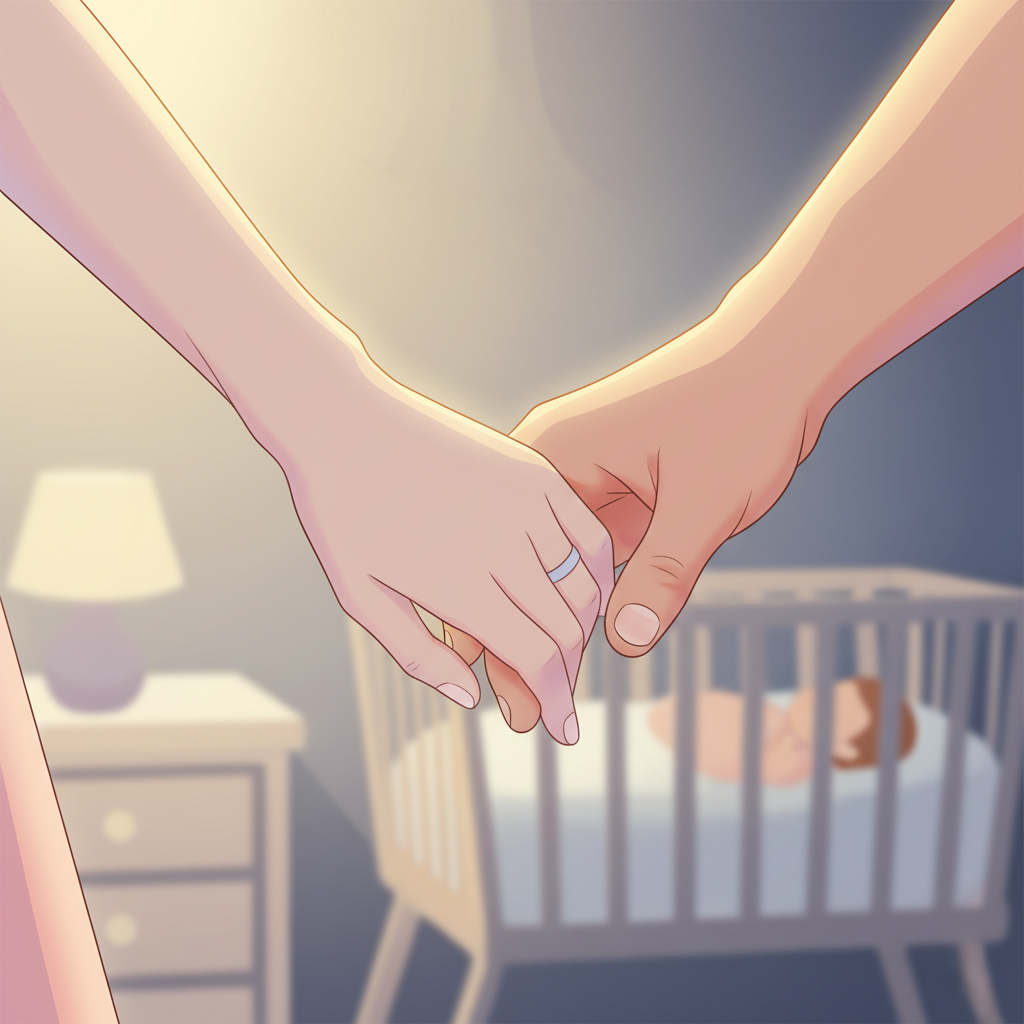
It was 2 a.m. and I was staring at the ceiling, the faint glow of the nightlight painting Noah’s nursery in shades of blue. He was finally asleep, a small, warm weight against my chest, but my body felt like a battlefield. My C-section scar, a bright pink reminder of the unexpected surgery, throbbed with a dull ache. The truth is, the idea of anything remotely intimate felt… well, impossible. This is for you if you're staring at that same ceiling, wondering if your body, your relationship, and your sense of self will ever feel the same after a difficult C-section birth.
More Than Just Physical Intimacy: Redefining Connection Now
Look, before Noah, intimacy was pretty straightforward, right? It was the physical stuff, the quiet moments, the connection that fueled us. But after a C-section, especially a tough one, your very definition of intimacy might need a gentle overhaul. Honestly, it’s not just about sex after C-section recovery. It’s about feeling seen, feeling safe, and feeling connected to your partner on a level that doesn’t require penetration or peak exertion. It’s about finding those little pockets of closeness in the chaos.
Think about it: a shared glance across the room as your baby fusses, a comforting hand on your back, a whispered "I love you" after a particularly grueling feeding session. These are all forms of intimacy. They are vital. They are the building blocks as you slowly, tentatively, begin to re-explore what being close means.
Listening to the Body That Carried and Brought Forth Life
Your body has been through a lot. It’s a warrior. And right now, it needs patience and understanding. The official word from doctors is often around six weeks, but that’s a starting point, not a finish line, especially after a difficult birth.
The 6-Week Check-Up and Beyond: What's 'Safe'?
Your six-week postpartum check-up is important. Your doctor will likely assess your incision, ask about bleeding, and give you the green light to resume sexual activity. But here’s the thing: that 'all clear' is just a medical opinion. It doesn't magically erase pain, fatigue, or emotional scars. It’s a cue to start considering, not a command to perform. If you’re experiencing persistent pain or other issues, it’s crucial to advocate for yourself at your postpartum OB checkup.
Navigating Pain and Scar Sensitivity
That C-section scar? It’s a sensitive area. For many moms, it’s not just the physical tenderness. It can be a visual reminder of the surgery, the pain, the feeling of being cut open. You might experience discomfort, a pulling sensation, or even sharp pains during certain movements or when that area is touched. Desensitizing the scar tissue can be a gradual process. Gentle massage, with the help of your doctor or a physical therapist, might be recommended.
When to Talk to Your Doctor About Persistent Discomfort
If you’re experiencing more than just mild discomfort, or if pain persists well after the initial recovery period, please talk to your doctor again. Persistent pain during sex after a C-section, or any ongoing pelvic floor issues, aren't something you just have to live with. It could be a sign of scar tissue complications, nerve involvement, or other issues that can be addressed.
Mending the Inside: Giving Yourself All the Grace
We often focus so much on the physical healing that we forget the emotional journey. A difficult C-section can feel like a birth trauma in itself. It wasn’t the birth plan you envisioned, and that’s okay to grieve.
Processing a Difficult Birth Experience
If your C-section was unexpected, rushed, or involved complications, you might be replaying those moments in your head. You might feel a sense of loss for the birth you imagined. Allow yourself to feel those emotions without judgment. Talking to your partner, a trusted friend, or a therapist can be incredibly healing.
Body Image Shifts and Self-Compassion
Your body has transformed. It’s different. There’s a scar, maybe some lingering baby weight, and a general sense of… well, newness. It’s incredibly common to struggle with body image postpartum. This is where self-compassion becomes your superpower. Treat yourself with the same kindness you’d offer a friend going through this. You are amazing for growing and birthing a human.
Coping with Postpartum Fatigue and Hormonal Swings
Let’s be real: you’re exhausted. Like, bone-deep, can’t-think-straight, just-gotta-sleep exhaustion. And your hormones are doing a wild dance. These factors significantly impact your libido and your desire for intimacy. It’s normal. It doesn’t mean you don’t love your partner. It means you’re a new mom running on fumes.
Finding New Ways to Be Close: Thinking Outside the Bedroom
Before you even think about intercourse, there are so many beautiful ways to rebuild that sense of connection. This is where creative ways to be intimate after having a baby really shine.
Discover your baby's phase
Non-Penetrative Intimacy: Hugs, Kisses, and Everything In Between
Start small:
- Prolonged hugs: Hold each other a little longer. Feel the weight of your partner in your arms.
- Full-body massages: Focus on areas that feel good, like your shoulders, back, or feet. Avoid the incision area if it’s still too sensitive.
- Cuddling while watching a movie: Just being physically close, skin-to-skin (if comfortable), can be incredibly bonding.
- Intimate conversations: Talking, really talking, about your day, your fears, your dreams. This builds emotional closeness.
- Sharing a bath: If your doctor has cleared it and you feel up to it, a shared bath can be a relaxing, intimate experience.
Exploring New Forms of Touch and Affection
Intimacy after a baby, especially after a C-section, means exploring what feels good now. This might involve:
- Sensual touch that doesn't lead to intercourse.
- Focusing on kissing, touching, and mutual pleasure.
- Using lotions or oils to make touch more sensual while also caring for your skin.
Remember, the goal is reconnection, not performance. This is about deepening the bond you share.
How to Improve Intimacy After a C-Section: Focus on Connection
The key to improving intimacy after a C-section is to shift your focus from intercourse to connection. When you prioritize emotional closeness and gentle physical affection, the desire for more can naturally follow. It’s about building a safe space where both partners feel comfortable expressing their needs and desires, without pressure.
The Utmost Importance: Talking It All Through
This is perhaps the most crucial step. You and your partner need to be a team.
Honest Conversations About Your Fears and Needs
You need to be able to tell your partner, "I’m scared to have sex after my C-section," or "My scar still hurts when you touch it there," or even, "I’m just not feeling it right now, and that’s okay." Your partner needs to feel empowered to say, "I miss you," or "I’m feeling a bit disconnected," or even, "I’m not sure how to support you best right now." If communication is difficult, couples counseling can be a valuable resource.
Partner's Role After C-Section: Support and Patience
Your partner’s role after a C-section is immense. They are your rock, your support system. They are there to do the late-night feedings, the diaper changes, the laundry mountains. For intimacy to return, they need to offer unconditional patience and understanding. They need to know that your lack of desire isn’t a reflection of their attractiveness or your love, but a result of immense physical and emotional recovery.
Setting Realistic Expectations Together
Talk about what intimacy looks like for you both in this season of life. Maybe it’s not every day, or every week. Maybe it’s just holding hands while you fall asleep. Setting realistic expectations means acknowledging that things are different right now, and that’s perfectly normal.
There's No 'Normal': Just Your Journey
The idea that you should be ready for sex by a certain point is a myth. Especially after a difficult C-section.
Dispelling Myths About Postpartum Sex Timelines
Ignore the timelines. Ignore any well-meaning but unhelpful comments from others. Every woman’s recovery is different. Every birth experience is different. There is no universal "postpartum sex timeline" that applies to everyone. Your timeline is your timeline.
Prioritizing Your Well-being First
Your well-being, both physical and emotional, is the absolute priority. If you’re not ready, you’re not ready. Pushing yourself before you're healed will only set you back and could cause further physical or emotional distress. Be fiercely protective of yourself.
When to Consider Professional Support
If you’re struggling to reconnect with your partner, experiencing persistent pain, or finding that the emotional toll of the birth is impacting your relationship significantly, don't hesitate to seek help. A therapist specializing in postpartum issues or a physical therapist trained in pelvic floor rehabilitation can provide invaluable support and tools. Couples counseling can also offer a safe space to navigate these challenges together.