Toddler Stomach Bug: Reintroduce Foods Safely (Parent Guide)
Guide for parents on safely reintroducing foods after a toddler stomach bug. Learn what to offer, foods to avoid, and crucial hydration tips for recovery.
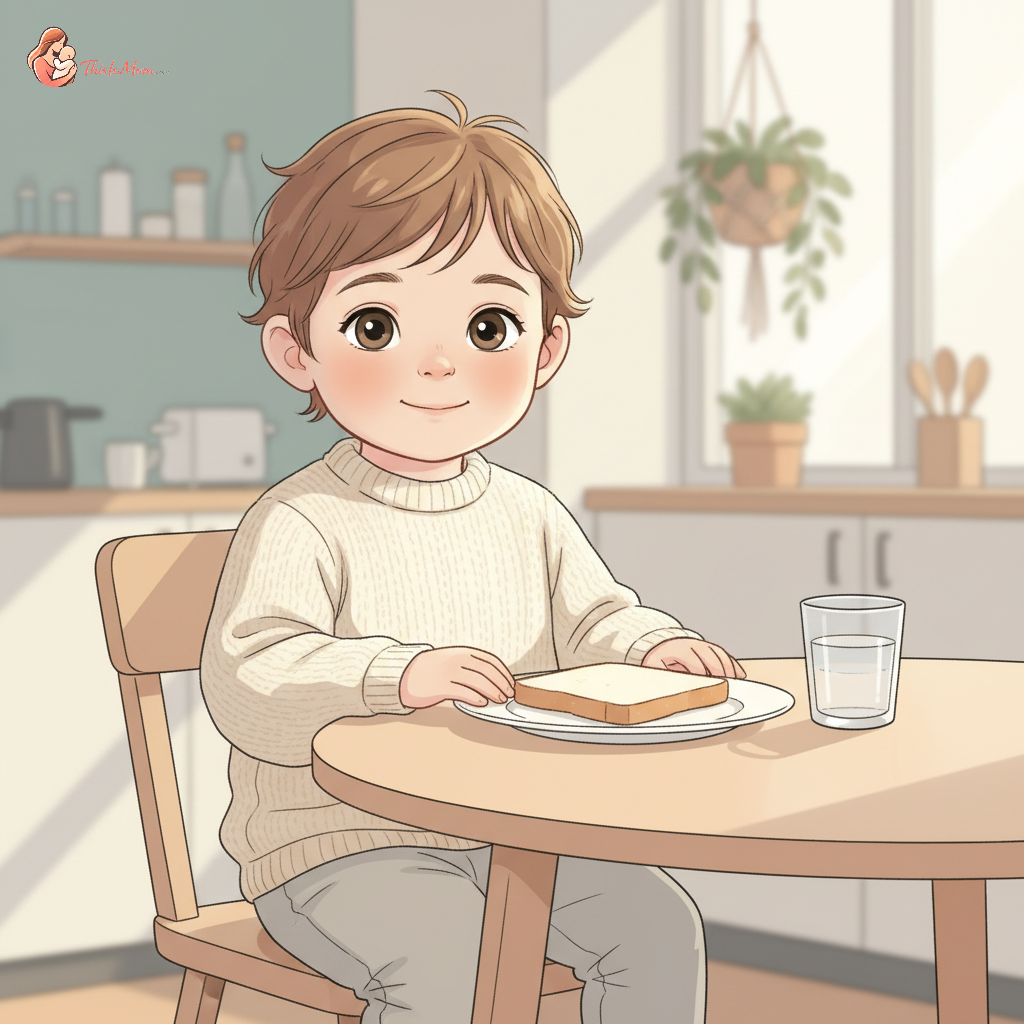
Toddler Stomach Bug Recovery: A Parent's Guide to Reintroducing Foods
Your toddler has had a stomach bug, and you're wondering what they can possibly eat. The vomiting has stopped, diarrhea is subsiding, but your little one is still picky about food, or perhaps you’re just worried about upsetting their sensitive stomach. Navigating the reintroduction of foods after a toddler stomach bug can feel like a delicate dance.
This guide will walk you through the steps of what to reintroduce, and when, to help your toddler get back to their regular diet safely and support their gut health during recovery. We’ll cover everything from initial hydration to recognizing when it’s time for their favorite snacks.
When Your Toddler Has a Stomach Bug: Initial Steps & Hydration
When a stomach bug hits, the immediate priority isn't food, but hydration. Gastroenteritis in young children can lead to rapid fluid loss, making dehydration a significant concern. Understanding how to manage this critical phase is key to a smoother recovery.
Prioritizing Fluids: Why It's Crucial
The Centers for Disease Control and Prevention (CDC) emphasizes that staying hydrated is the most important step when a child has vomiting or diarrhea. Dehydration occurs when the body loses more fluid than it takes in.
This can be especially dangerous for toddlers, as their smaller bodies can dehydrate more quickly. The goal is to replace the fluids lost through vomiting and diarrhea to prevent more serious complications.
Signs of Dehydration to Watch For
Knowing the signs of dehydration can help you intervene quickly. The CDC outlines several indicators, including:
- Fewer wet diapers than usual (e.g., no wet diaper for four hours).
- Crying without tears.
- Dry mouth and tongue.
- Sunken eyes.
- Lethargy or unusual sleepiness.
- Irritability.
If you notice these symptoms, it's a sign that your toddler isn't getting enough fluids.
When to Call the Pediatrician
The American Academy of Pediatrics (AAP) provides clear guidelines on when medical attention is necessary. You should contact your pediatrician if your toddler:
- Has a fever over 102°F (38.9°C).
- Shows significant signs of dehydration.
- Has bloody diarrhea.
- Vomits repeatedly or cannot keep any liquids down.
- Has severe or persistent abdominal pain.
- Seems unusually ill or lethargic.
Your pediatrician can offer specific advice based on your child's age and symptoms.
The BRAT Diet and Beyond: First Foods to Offer
Once vomiting has subsided and your toddler is showing interest in drinking, you can begin to cautiously reintroduce food. The traditional BRAT diet has been a long-standing recommendation, but modern approaches often suggest a slightly broader, though still gentle, approach.
What is the BRAT Diet, and Is It Enough?
The BRAT diet consists of Bananas, Rice, Applesauce, and Toast. These foods are bland, low in fiber, and easy to digest, which has historically made them popular choices for stomach upset. While these foods can be a good starting point, research suggests they may not provide sufficient nutrients for rapid recovery, especially for toddlers who need energy.
However, the principles behind the BRAT diet – offering bland, easily digestible foods – remain sound.
Gentle Carbs: Toast, Cereal, and Pasta
The first foods to try are typically bland carbohydrates. These are usually the easiest for an upset stomach to tolerate.
- Plain Toast: Dry, white toast is a good option. Avoid butter or jam initially.
- Cereal: Plain, low-sugar cereals like Rice Krispies or Cheerios can be suitable. Ensure they are not too fibrous.
- Pasta: Plain pasta, such as elbow macaroni, is another gentle carbohydrate option.
Offer small amounts and observe tolerance before offering more.
Lean Proteins: Chicken and Turkey Broth
While the BRAT diet focuses on carbs, lean proteins are also important for recovery. Broths are often reintroduced early because they are primarily liquid and easy to digest, providing some protein and electrolytes.
- Clear Broths: Offer chicken or turkey broth. Ensure it's low-sodium and doesn't have large pieces of fat or vegetables. This can significantly help with rehydration and provides some protein.
Research suggests that lean protein sources are beneficial for tissue repair during recovery.
Gradually Reintroducing Other Food Groups (and What to Avoid)
As your toddler tolerates bland carbohydrates and broths, you can slowly begin to incorporate other food groups. The key is moderation and observation, proceeding with caution, especially with certain items like dairy.
Adding Fruits and Vegetables Back In
Once your toddler is tolerating simple carbohydrates well, you can introduce cooked, less fibrous fruits and vegetables.
- Cooked Fruits: Applesauce is a classic for a reason. Other options include peeled and cooked pears or bananas.
- Cooked Vegetables: Soft-cooked carrots, sweet potatoes, or green beans are usually well-tolerated. Ensure they are mashed or pureed if initially needed.
These provide essential vitamins and minerals for healing.
Discover your baby's phase
Dairy Products: Proceed with Caution
Many children experience temporary lactose intolerance after a stomach bug. This means their bodies may have difficulty digesting lactose, the sugar in milk products, leading to renewed diarrhea or gas.
- Start Small: If you choose to reintroduce dairy, start with small amounts of plain yogurt. Yogurt containing live and active cultures (probiotics) can be particularly helpful.
- Monitor Symptoms: Watch for any return of digestive upset. If it's tolerated, you can gradually increase the amount. Some children may need to avoid dairy for a few days or even a week.
Other dairy products like milk and cheese might be reintroduced after yogurt is tolerated.
Foods to Completely Avoid During Recovery
Certain foods can exacerbate digestive upset and should be avoided during the initial recovery phase. These foods are often high in fat, sugar, or fiber, which can be difficult for a recovering gut to process.
- Fatty Foods: Fried foods, greasy meats, and creamy sauces.
- Sugary Foods: Candy, cookies, sugary drinks (soda, juice beyond a small amount of diluted apple juice).
- Spicy Foods: Anything heavily seasoned.
- High-Fiber Foods (initially): Whole grains, raw vegetables, and certain fruits (like berries) can be too much for a sensitive stomach right away.
Focus on bland, easily digestible options until your toddler is consistently feeling better.
How to Know When to Start Eating Regular Food Again
The timeline for returning to a regular diet varies for each child. There isn't a set number of days; instead, it's about observing your toddler's response to the foods they are eating and monitoring their symptoms.
Observing Your Toddler's Cues
Pay close attention to your child's behavior and appetite. Are they showing more interest in food? Are they more playful and energetic compared to the first few days of illness?
A returning appetite and a return to their normal energy levels are good indicators that their digestive system is ready for more.
Monitoring Symptoms: Diarrhea and Vomiting
The most significant indicators are the reduction and eventual cessation of problematic symptoms.
- Vomiting: If your toddler hasn't vomited for at least 8-12 hours and can keep liquids down, it's a positive sign.
- Diarrhea: While diarrhea can sometimes linger for a week or more, if the frequency decreases and the stools begin to normalize (moving from watery to more formed), it suggests improvement.
When both vomiting and significant diarrhea have significantly improved, you can increase the variety and quantity of food.
Transitioning Back to Their Usual Diet
Once your toddler is tolerating a variety of bland foods, fruits, and possibly some dairy, you can start reintroducing their regular diet gradually.
- One New Food at a Time: Introduce familiar favorites back slowly.
- Watch for Reactions: Continue to monitor for any signs of digestive upset. If a food seems to cause issues, remove it and try again in a day or two.
The goal is to return to a balanced diet that supports their growth and development.
Supporting Gut Health After an Illness
The stomach bug has likely disrupted your toddler's good gut bacteria. Supporting their gut health during recovery can help them bounce back more effectively and prevent recurrent issues.
Probiotic-Rich Foods: Yogurt and More
Probiotics are beneficial bacteria that can help restore balance in the gut.
- Yogurt: As mentioned, plain yogurt with live and active cultures is a great source. Baby wakes hungry after sleep training might be a sign of digestive upset too.
- Fermented Foods (for older toddlers): If your toddler is accustomed to them and has no sensitivities, small amounts of other fermented foods could be considered, but yogurt is typically the easiest starting point.
Evidence suggests that probiotics can be beneficial for the recovery of gut function after gastroenteritis.
The Importance of Fiber for Recovery
While high-fiber foods were avoided during the acute phase, slowly reintroducing fiber is crucial for restoring normal bowel function and preventing constipation, which can sometimes follow diarrhea.
- Gradual Increase: Slowly add back whole grains, fruits with skins, and vegetables. If your toddler is refusing to eat fruits and vegetables, seeking tips to end mealtime battles can be helpful.
Adequate fiber supports a healthy digestive system long-term.
Patience is Key: Recovery Takes Time
It's important for parents to remember that while some symptoms resolve quickly, others can linger. Diarrhea, in particular, may continue for some time.
Trust your instincts and observe your child's progress. Celebrate small victories, like keeping down a small meal or having a less frequent bowel movement. Research shows that most children recover fully without specific medication, but recovery takes time and gentle support.