Safe On-the-Go Purees for Baby Without Refrigeration
Learn how to make safe, homemade purees for your baby that don't require refrigeration. Perfect for travel, errands, or daycare with practical tips and recipes.
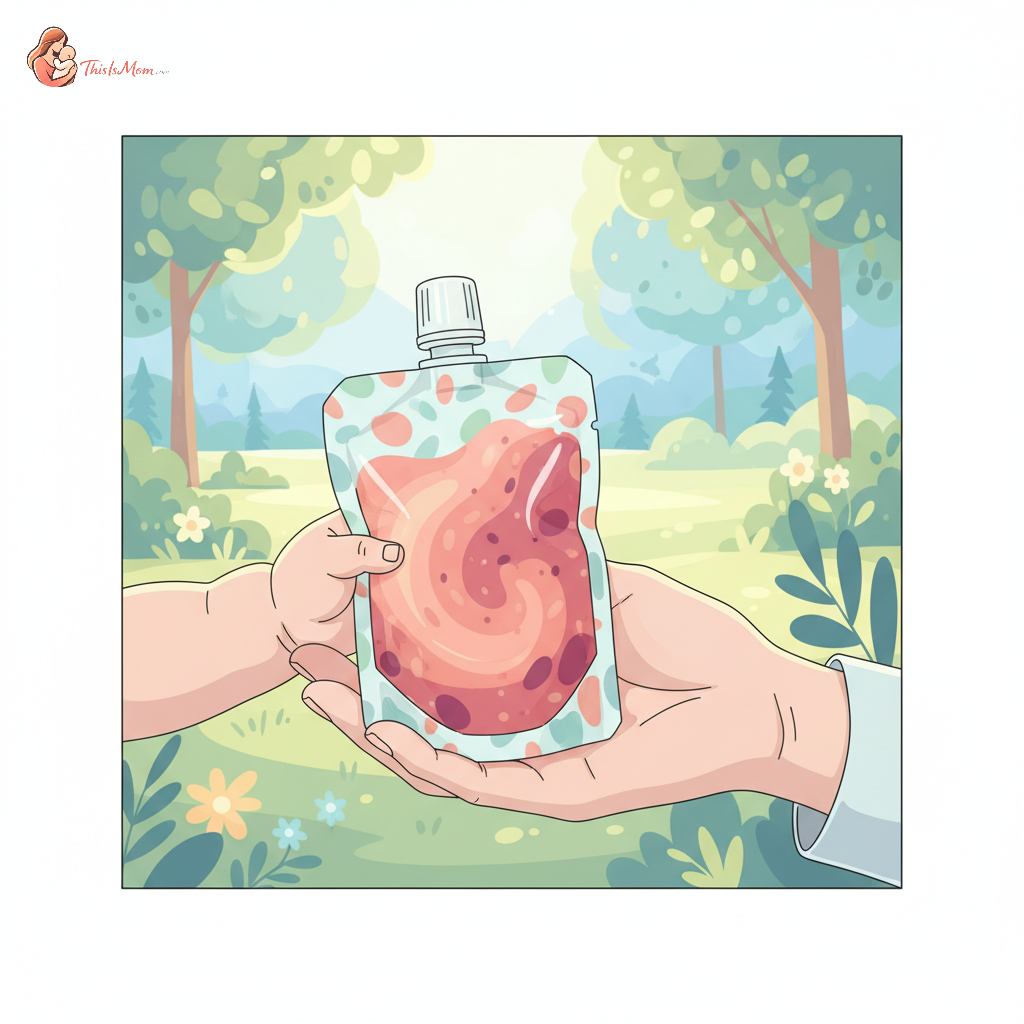
Safe On-the-Go Purees for Baby Without Refrigeration: Your Homemade Guide
Your baby is hungry, and you're miles from home. What are your options for feeding them safely without refrigeration? For parents navigating the joys and challenges of life with a little one, having access to safe, nutritious food that doesn't require a cooler can be a game-changer. This guide explores how to create safe on-the-go purees for baby without refrigeration, focusing on the homemade advantage.
Why Shelf-Stable Purees Matter for Busy Parents
Life with a baby often involves outings, travel, or even just a long day of errands. Relying solely on store-bought, shelf-stable pouches can become expensive and limiting. Many parents seek homemade alternatives that offer more control over ingredients and nutrition.
Beyond the Pouch: The Homemade Advantage
Making your own baby food allows you to select the freshest ingredients, avoid added sugars or preservatives, and tailor textures and flavors to your baby's preferences and developmental stage. When you can achieve shelf-stability with these homemade purees, it adds a significant layer of convenience. This is especially true when considering homemade shelf-stable baby food options.
Common Scenarios: Travel, Errands, Daycare
Think about road trips, flights, or even just a trip to the park. Having purees that can sit safely at room temperature for a reasonable period removes the need for an ice pack. Similarly, if your baby attends daycare and you want to provide homemade baby food that doesn't require refrigeration during the day, understanding shelf-stability is key. These purees for travel can simplify many aspects of your parenting routine.
The Science of Shelf-Stability: What Makes a Puree Safe?
Achieving shelf-stability for baby food, whether homemade or store-bought, relies on understanding fundamental food safety principles. It's about creating an environment where harmful bacteria cannot thrive.
Understanding Food Safety Basics for Baby Food
According to the U.S. Food and Drug Administration (FDA), food safety for infants is paramount. While the FDA primarily regulates commercially prepared baby foods, their guidance on food handling is universally applicable. The goal is to minimize the risk of foodborne illness by preventing the growth of bacteria, viruses, and other pathogens.
Key Factors: Acidity, Water Content, and Packaging
Several factors contribute to a food's ability to remain safe without refrigeration:
- Acidity: Lower pH levels (more acidic) inhibit bacterial growth. Many fruits are naturally acidic.
- Water Content: Foods with lower moisture content are less prone to spoilage. However, purees inherently contain water.
- Heat Treatment: Processes like canning or high-temperature cooking kill microorganisms and can create a vacuum seal when combined with airtight packaging. This is how many commercial baby foods achieve their shelf-stable status.
- Packaging: Airtight containers are crucial to prevent contamination and maintain the integrity of the food.
Best Ingredients for Naturally Shelf-Stable Baby Purees
When aiming for no-refrigeration baby food ideas at home, selecting ingredients that are naturally more stable or can be made so with simple preparation is beneficial.
Fruits That Hold Up: Apples, Pears, Bananas, Berries
Many common fruits can form the base of your shelf-stable purees.
- Apples and Pears: When cooked and pureed, their natural acidity helps preserve them.
- Bananas: While very ripe bananas are best consumed fresh, slightly less ripe ones can be pureed. They are lower in acidity, so they are best combined with more acidic fruits or consumed within a shorter timeframe once prepared.
- Berries: Strawberries, blueberries, and raspberries are acidic and can be good options.
Veggie Options: Sweet Potatoes, Carrots (with proper prep)
While many vegetables are less acidic than fruits, some can work.
- Sweet Potatoes and Carrots: When cooked thoroughly and pureed, these can be combined with acidic fruits to improve their shelf-stability. The cooking process itself also plays a role in reducing initial microbial load.
Adding Healthy Fats and Protein for Sustained Energy
To make your purees more filling and nutritious, consider adding healthy fats and proteins.
- Healthy Fats: A small amount of unsweetened, unflavored coconut oil or olive oil can be added.
- Protein: While many protein sources require refrigeration once opened or cooked (like yogurt or meat), some cooked and pureed legumes like lentils or chickpeas can be incorporated. However, their shelf-stability on their own without specific preservation methods is limited. For true shelf-stability, relying on fruit and vegetable bases is often simpler.
Discover your baby's phase
DIY Shelf-Stable Purees: Recipes and Preparation Tips
Creating your own shelf-stable purees involves careful preparation and appropriate storage to ensure safety. The key is to cook the food thoroughly and package it in a way that seals out air.
Single-Ingredient Purees for Beginners
Start simple. For example, to make a shelf-stable apple puree:
- Peel, core, and chop 2-3 apples.
- Simmer in a small amount of water until very soft.
- Drain excess water and puree until smooth.
- Spoon the hot puree into clean, sterile jars or reusable pouches.
Simple Combinations: Apple & Cinnamon, Pear & Ginger
Once you've mastered single ingredients, you can add complementary flavors.
- Apple & Cinnamon: Add a pinch of cinnamon to the hot apple puree before jarring.
- Pear & Ginger: Simmer peeled, cored pears with a tiny sliver of fresh ginger until soft. Puree and jar.
Sanitization and Storage: The Right Containers Matter
Proper sanitization of your equipment and containers is crucial. Wash jars, lids, and utensils in hot, soapy water or run them through a dishwasher's sanitize cycle. The CDC offers detailed guidance on cleaning and sanitizing food preparation surfaces and utensils.
- Hot Pack Method: Spoon the hot puree immediately into clean, sterile jars or reusable baby food pouches. Seal tightly.
- Cooling: Allow the jars to cool completely on the counter before storing them in a cool, dark place. For pouches, ensure they are sealed properly before storing at room temperature.
Important Note: While this "hot pack" method can extend the life of homemade purees at room temperature for a limited time, it does not achieve the same level of long-term shelf-stability as commercial canning processes that involve high-heat processing in sealed, vacuum-sealed jars. These homemade versions are best considered for use within a few days to a week when stored properly. For babies with allergy risk, safe way to offer nut butter should be followed when introducing new foods.
Smart Packing and Serving Strategies On-the-Go
Once you have your purees ready, how do you best utilize them when you're out and about?
Choosing the Right Pouches or Jars for Travel
Reusable baby food pouches are excellent for on-the-go feeding. They are leak-proof and easy for babies to self-feed. For younger babies or when serving with a spoon, small glass or BPA-free plastic jars with secure lids work well. Ensure lids are tightly sealed to prevent leaks. These can be useful for daycare as well, though you would need to check daycare germs policies.
How to Warm Purees Without a Microwave
If your baby prefers warm purees, you can warm them without a microwave.
- Hot Water Bath: Place the sealed jar or pouch in a bowl of hot (not boiling) water. Stir or swirl gently to distribute the heat. Test the temperature on your wrist before serving.
- Thermos: For longer outings, pack your room-temperature puree in a thermos. If you want it warmed, you can use the hot water bath method to heat it before packing into a thermos.
When to Discard: The 'Sniff Test' and Time Limits
Even with the best preparation, it's essential to know when food is no longer safe.
- Visual Inspection: Look for any signs of mold or unusual color changes.
- The 'Sniff Test': If it smells off, sour, or fermented, discard it. Trust your senses.
- Time Limits: For these homemade shelf-stable purees, the general rule of thumb is to consume them within 1-2 days if stored at room temperature after the initial cooling, and within 3-4 days if kept in the refrigerator. For travel, plan to use the purees within a few hours of leaving the refrigerator, or have them prepared the day of your outing. If a puree has been left out in a very warm environment for more than two hours, it's safest to discard it, following CDC guidelines for perishable foods.
Navigating feeding your baby while on the move doesn't have to mean compromising on nutrition or safety. By understanding the principles of food preservation and utilizing smart preparation techniques, you can confidently offer delicious, safe on-the-go purees for baby without refrigeration that are homemade. Consider that if you are exclusive pumping for your baby, shelf-stable purees can be a convenient option when away from home.
Always remember that your pediatrician is your best resource for personalized advice regarding your child's diet and any specific concerns you may have.