Toddler Climbs Out of Crib? Sleep Sack Alternatives for Safety
Is your toddler climbing out of their crib? Discover safe and effective sleep sack alternatives, including specialized solutions, for crib-climbing toddlers.
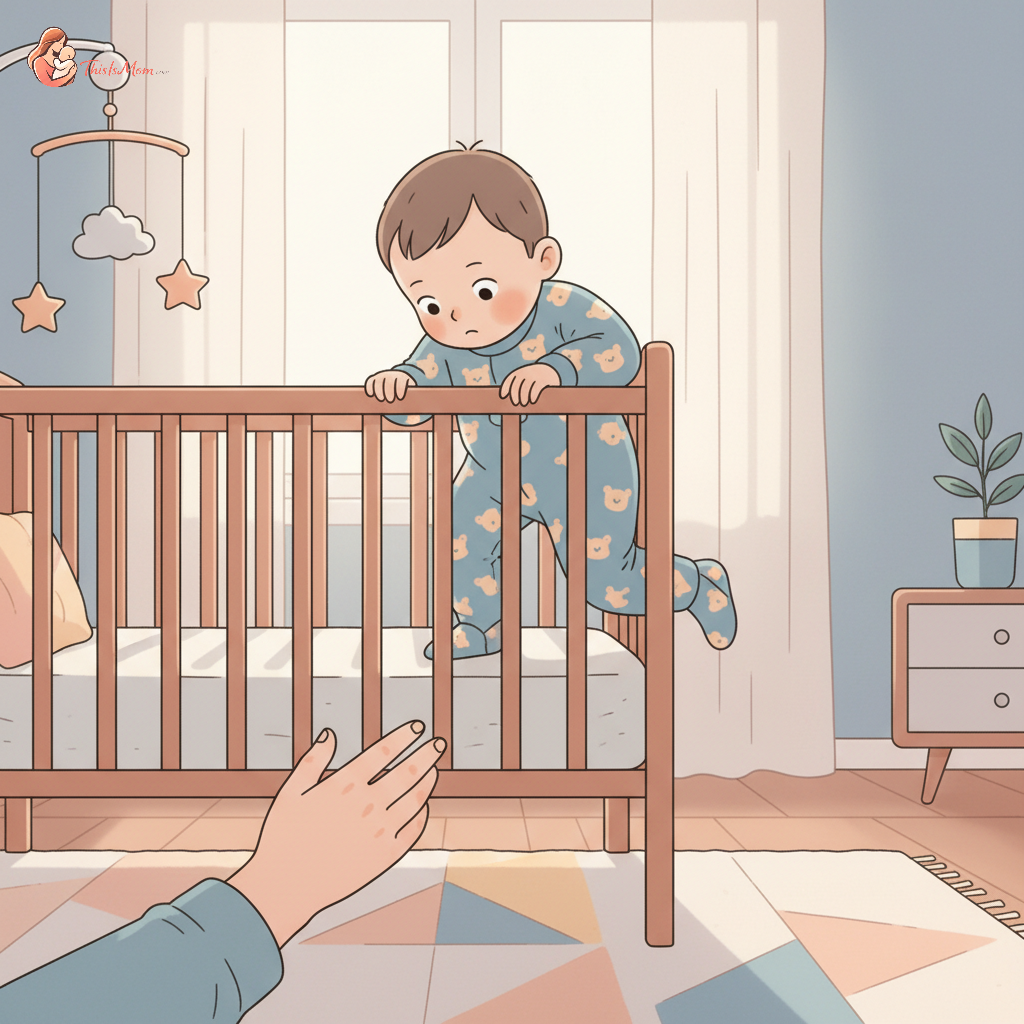
Toddler Crib Climber? Skip the Sleep Sack, Try These Alternatives for Safe Sleep
If your little one views their crib not as a safe haven but as a launchpad, you’re in the right place. This article cuts through the noise to give you practical, safe solutions for toddlers who climb out of cribs so you can all get some much-needed rest.
The Not-So-Sweet Sixteen: Why Toddlers Become Escape Artists
Your toddler has hit a major milestone: the crib escape. It’s impressive, frankly terrifying, and completely disrupts sleep. But why now?
- Developmental Leaps: Around 18-24 months, toddlers gain significant physical coordination and problem-solving skills. Climbing is a natural extension of their burgeoning independence and curiosity.
- Testing Boundaries: It’s a developmental phase. They’re exploring their capabilities and seeing what they can get away with.
- Readiness for More Freedom: Often, crib climbing signals they are outgrowing the crib itself. They might be ready for more mobility and independence, even if their sleep habits aren't quite there yet.
Is Your Toddler Ready for a Big Bed?
This is the million-dollar question. While climbing out is a clear sign, it’s not the only factor.
- Daytime Independence: Are they generally self-sufficient in other areas? This might signal a readiness for the independence of a big-kid bed.
- Communication Skills: Can they tell you what they want or need at bedtime? Research suggests this aids transition.
- Behavioral Cues: Do they seem genuinely frustrated by the crib's limitations?
If your toddler is climbing but not demonstrating readiness for a big-kid bed, a gentle transition strategy or a specialized sleep aid is your best bet.
Why Traditional Sleep Sacks Fail for Climbers
Bless their hearts, sleep sacks are designed for warmth and to prevent entanglement. But for a determined climber? They’re like wearing a fancy potato sack.
- Lack of Mobility Restriction: A standard sleep sack offers zero impediment to climbing. Your toddler can still grab the rails and haul themselves over.
- Potential for Entrapment: In some rare cases, a sleep sack could become a hazard if a child gets tangled after climbing. Safety first, always.
If your little one is scaling the crib bars, the standard sleep sack is not worth the investment for this specific problem. You need something that addresses the climbing behavior directly.
Safe & Effective Sleep Sack Alternatives for Crib Climbers
The good news is, you have options beyond just taking the crib apart.
Wearable Blankets with Specific Features
Not all wearable blankets are created equal. Look for options designed with containment in mind, not just warmth.
- Footie Pajamas (Closed Toes): For warmer climates or rooms, high-quality footie pajamas with grippy soles can be a simple starting point. They don't restrict arm movement but sometimes provide a slight impediment and prevent bare feet from getting cold.
- Zip-Up Pajamas with Snaps: Some brands offer pajamas with extra snaps around the legs or a longer design that makes it harder for tiny legs to get a purchase on crib rails.
These are basic options that won't break the bank but might offer just enough "stickiness" or restriction to deter a casual climber.
The Magic Sleepsuit for Older Toddlers (When Appropriate)
The Magic Sleepsuit is typically used for younger infants to swaddle and provide comfort. However, some versions and expert advice suggest it might be a temporary solution for older toddlers if their climbing is due to anxiety or a need for gentle containment.
- How it Works: It provides gentle pressure, similar to a hug, which can be calming. The slightly restrictive fabric can also make it harder to get good leverage for climbing.
- Crucial Caveat: This is not its primary purpose. Always consult your pediatrician or a certified sleep consultant before using this for an older toddler, as it could pose a safety risk if not used correctly or if the child is too mobile. Its primary design is for babies who can't roll or push up.
This is a worth-the-splurge option only if a professional recommends it for specific behavioral reasons and you can ensure 100% safety.
Is There a 'Free' Sleep Sack Alternative for a Toddler Who Climbs Out of a Crib?
The most accessible, 'free' solution is often simple crib modification and strategic dressing.
- Lower the Mattress: This is the single most effective free change you can make. Lowering the mattress to its lowest setting increases the distance to the top rail.
- Remove Toys & Bumpers: Anything in the crib can become a stepping stone. Clear the area.
- Footed Pajamas: As mentioned, good quality footie pajamas can make feet slippery on the rails.
These are low-cost, high-impact strategies you can implement immediately.
Specialized Solutions for Advanced Climbers: Little Grounders & Beyond
When basic modifications aren't enough, you need to look at more specialized gear.
Discover your baby's phase
What are Little Grounders and How Do They Work?
Little Grounders are a type of sleep sack designed with a unique patented ankle-to-bib zipper system that significantly restricts leg movement.
- Design: They look like footie pajamas but have a long, heavy-duty zipper running from the ankle all the way up to the neck. This design means the legs are essentially "locked" together inside the sack.
- Effectiveness: For toddlers who can easily climb out, this is often highly effective. By preventing the legs from moving independently, it makes it nearly impossible to get the kind of leverage needed to scale the crib.
- Toddler Independence: The key is that their arms are still free for comfort or self-soothing, preserving some autonomy while ensuring safety.
- Our Pick: Little Grounders are our top recommendation for toddlers who are consistently climbing out of cribs and the mattress has already been lowered.
Are Crib Tents or Extenders Safe?
These are the most controversial categories, and we strongly advise against most of them.
- Crib Tents: Many pediatricians and safety organizations (like the AAP) warn against crib tents.
- Entrapment Risk: The netting can pose an entanglement hazard.
- Airflow Issues: Some don't provide adequate ventilation.
- False Sense of Security: They might not deter a determined child and could even create a false sense of security for parents.
- Crib Extenders/Conversion Kits: These are designed to make the crib larger or convert it. While some are safe, they often create more opportunities for escape. If your crib has an option to remove one side and lower it to the floor, that’s a far safer conversion.
Skip crib tents as a general rule. They are not worth the risk when safer alternatives exist.
When to Transition: Beyond the Crib-Climbing Phase
Sometimes, climbing is the universe's way of telling you it's time to move on.
Moving to a Toddler Bed vs. Floor Bed
This is the ultimate solution for many crib climbers.
- Toddler Bed: A floor-level bed with rails provides a sense of a "big kid" bed while still offering some safety.
- Floor Bed: A mattress directly on the floor offers maximum safety as there ہے no height to fall from. It’s ideal for very active climbers or for parents prioritizing absolute safety.
- The Transition: Moving to a larger bed can resolve the climbing issue entirely. Ensure the room is completely childproofed before making the switch.
Sleep Training a Toddler Who Climbs Out of a Crib
Sleep training a crib climber requires a different approach.
- Consistency is Key: If you've implemented a sleep training method, stick to it. But be prepared for more back-and-forth. Experiencing intense emotions around sleep training can be challenging, and it’s helpful to have resources like military breathing techniques to manage stress.
- Behavioral Approach: Sometimes, a toddler climbing is a bid for attention or control. Respond calmly but firmly.
- Post-Climb Protocol: If they climb out, calmly and silently return them to their crib. Do this every single time. Avoid lengthy interactions.
- Pairing with New Gear: If using something like Little Grounders, introduce it during a nap first to get them used to the feeling.
This phase tests your patience, but consistent, calm responses are crucial.
Safety First: Keeping Your Toddler Secure at Night
Regardless of the sleep solution you choose, certain safety measures are non-negotiable.
Lowering the Mattress and Removing Bumpers
This advice bears repeating because it's that important.
- Mattress Position: Always keep the mattress at its lowest setting. This is your first line of defense against climbing.
- No Bumpers: Never use crib bumpers. They are a suffocation and strangulation hazard and provide perfect handholds for climbing. The American Academy of Pediatrics strongly advises against them.
Childproofing the Bedroom for Safety
Once that crib side rail comes down (or they're out of the crib entirely), safety takes on new urgency.
- Furniture Anchoring: Secure all dressers, bookshelves, and heavy furniture to the wall.
- Outlet Covers: Use safety plugs for all electrical outlets.
- Cord Management: Hide or secure all blind cords and electrical cords.
- Door Knob Covers/Locks: Consider a safety latch on the outside of the bedroom door if they are truly independent movers and you need to prevent them from wandering the house unsupervised at night.
The Verdict: What to Do When Your Toddler Becomes a Crib Climber
Your toddler's crib climbing is a clear signal that the current setup isn't working. Traditional sleep sacks are out. The best sleep sack alternative for a toddler who climbs out of a crib is a product specifically designed to impede climbing.
Our Pick: Little Grounders. They are the most effective solution we’ve found for physically preventing climbing while still allowing freedom of movement for comfort.
Best For: Toddlers who are actively and consistently climbing out of their cribs, even after the mattress has been lowered and the crib cleared of any potential stepping stones.
Skip If: Your toddler is not yet climbing, or if you are looking for a basic warm wearable blanket. Also, skip if you are unable to ensure proper fit and monitor your child appropriately.