Southwest Airlines: Breast Milk & Formula Travel Rules Guide
Navigate traveling with breast milk and formula on Southwest Airlines. Discover TSA rules, carry-on policies, packing tips, and airport strategies.
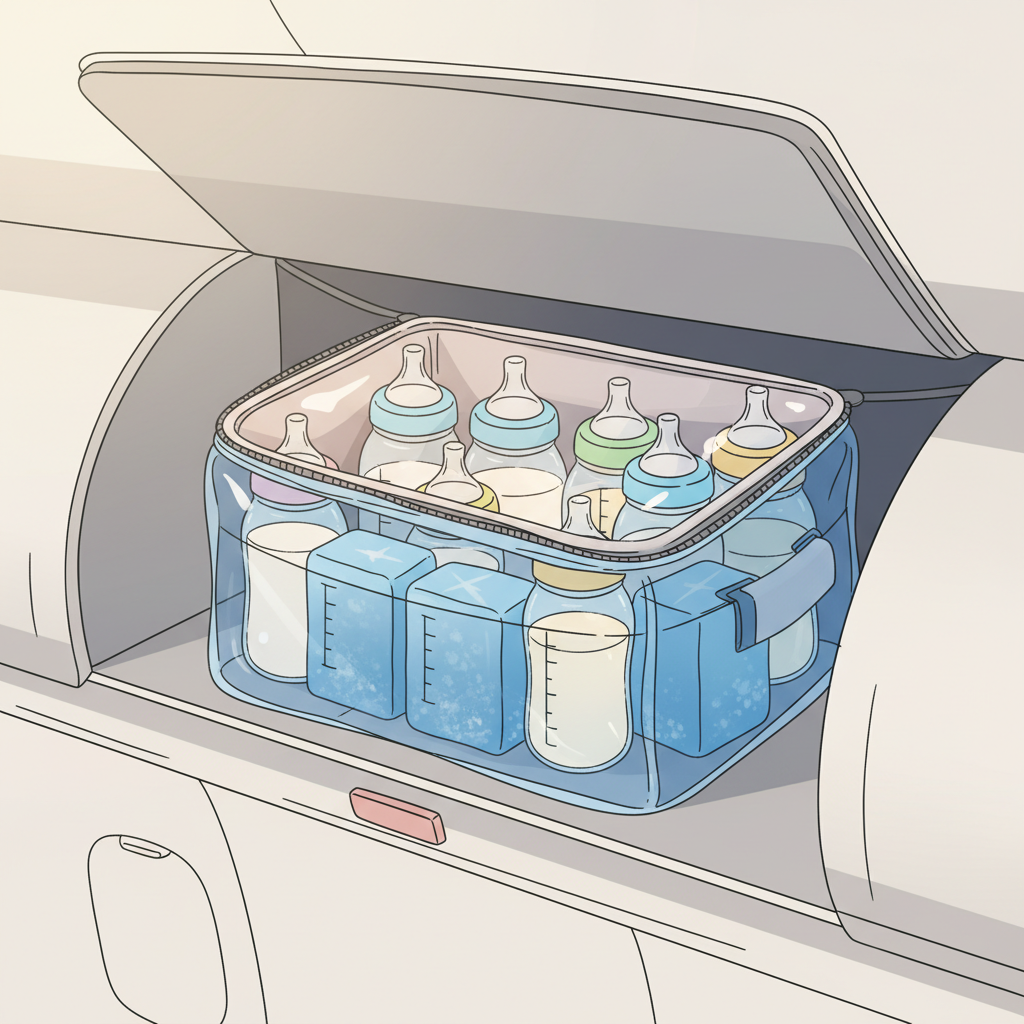
Traveling with Breast Milk & Formula on Southwest: Your Guide
It's 5 AM, the airport is a chaotic blur, and you’re eyeing your cooler bag with the same intensity you once reserved for quarterly reports. This is the reality of traveling with a baby and a freezer stash: nothing is ever simple, everything is a negotiation. This guide is designed to help you navigate the specifics of traveling with breast milk and formula on Southwest Airlines, offering clarity on everything from TSA rules to Southwest's policies and flying with formula.
Decoding the Liquid Rules: TSA Edition
Before you even think about your Southwest boarding pass, you need to understand the TSA's stance on essential liquids. The good news? Breast milk and formula are exceptions to the standard 3.4-ounce liquid rule. This is a critical piece of information that can save you a lot of stress at security.
What qualifies as 'medically necessary' liquids? For the TSA, breast milk and formula fall under this category. You don't need a doctor’s note, but you do need to declare them. This declaration is your magic key to bypassing the usual liquid restrictions.
Going through security with liquids of more than 3.4 oz doesn't have to be a battle. Ensure all your milk and formula containers are easily accessible. They will likely need to be screened separately from your other carry-on items. Expect them to be X-rayed or swiped for explosives residue. Keep them in a clear bag within your cooler so they can be easily removed. You have the right to breastfeed or pump once you’re through security, so don’t feel pressured to do it beforehand.
And what about your pumping equipment and electronics? Breast pumps are generally considered medical devices and are allowed through security. They can be carried on. Similarly, laptops and other electronics often need to come out of your bag for separate screening. Pack them in a way that makes this transition smooth. Consider carrying your pump in its own dedicated bag or a clear tote.
Southwest Perks: What They Actually Let You Bring
Southwest Airlines is generally more family-friendly than many carriers, but understanding their specific carry-on policies is still important. They aim to make travel easier, and that extends to those of us hauling liquid gold.
Carry-on vs. checked bags for breast milk and formula: It’s a non-negotiable to keep breast milk and formula in your carry-on. Never check it. The temperature fluctuations and rough handling of checked baggage can compromise your milk. Your breast pump should also always be a carry-on. Southwest allows one carry-on bag and one personal item per passenger.
Diaper bags and personal items: Here’s where Southwest often shines. A diaper bag is typically considered a personal item and does not count against your one-carry-on limit when you are traveling with a child or infant. This is a huge win, allowing you ample space for your milk, pump, diapers, and all the other essentials. Coordinate with your partner or travel companion so one of you can maximize the diaper bag allowance.
Traveling with frozen breast milk on Southwest is also a common scenario. As long as it’s properly stored in a cooler, it’s treated the same as refrigerated milk by TSA. You’ll still need to declare it. While Southwest doesn't have a specific policy on the quantity of breast milk you can bring beyond TSA guidelines, common sense suggests packing it efficiently.
Packing Smart: Your Essential Checklist for Travel Day
The best way to de-stress airport security and flight is to be meticulously prepared. This isn't about perfection; it's about having a system that works on a chaotic travel day.
Discover your baby's phase
Choosing the right cooler and ice packs is your first defense. A hard-sided cooler often offers better insulation and protection for bottles. Insulated lunch bags are good for shorter trips. For ice, consider ample reusable ice packs. Many parents swear by Yeti ice packs for their longevity. You are allowed to bring frozen ice packs, even if they are technically considered liquids by TSA, as long as they are frozen solid.
Organizing breast milk bags and bottles efficiently is key. Use soft-sided dividers or even towel rolls to keep bottles upright and prevent them from rolling around. Pre-portioning formula into individual bottles or containers can save significant time. If you're using formula powder, consider a formula dispenser. You can bring water on the plane through security if it’s for a baby or breast milk.
Formula prep on the go: Tips for convenience include having a dedicated travel bottle set. Some travel systems have built-in measuring compartments, or you can use a formula dispenser. If you plan to purchase water at your destination, pack just the formula powder. Having a portable bottle warmer or insulated bottle carrier can also be a lifesaver depending on your itinerary. This is especially helpful when dealing with a baby who only eats carbs and dairy and needs specific feeding.
Navigating the Airport: Security & Boarding with Ease
The airport can feel like a maze, but with a few strategic moves, you can navigate it more smoothly.
What to declare at TSA checkpoints is crucial: Always declare your breast milk, formula, and pumping equipment. A simple verbal announcement to the TSA officer when you approach the screening area works best. "I have breast milk and a breast pump," or "I have infant formula" is sufficient. They are trained for this.
Boarding with children and infants on Southwest usually brings some perks. Southwest offers Early Bird Check-in and priority boarding positions. While it doesn't guarantee a direct overhead bin for your cooler, it gives you a better chance to find space and settle in before the main rush. If you’re traveling with a lap infant, you can usually board with families. Remember to pack your {travel snacks](/blog/best-travel-snacks-picky-toddler-long-flight) to keep your little one content.
Finding pumping-friendly spaces at the airport can be a challenge. Many larger airports now have dedicated nursing suites or family restrooms that offer privacy and comfort. If not, look for quiet corners away from high traffic or utilize the family restrooms available. Don’t hesitate to ask an airline representative if you need assistance finding a private space.
Common Questions & Troubleshooting for Milk-Wielding Mamas
Even with the best plans, travel can throw curveballs. Here's how to manage them.
What if my flight is delayed? This is almost inevitable. If you have refrigerated milk, a good quality cooler with plenty of ice packs is your best friend. For formula, it’s less of an issue. If you’re concerned about your milk thawing, inform the gate agent about your situation; sometimes they can offer assistance or advice.
Traveling with breast milk internationally on Southwest: This adds another layer of complexity. While TSA rules are federal, international airports and customs will have their own regulations. Research the destination country's rules on importing dairy products. For shorter international trips, packing enough formula might be easier, especially if your baby has reflux.
When to contact Southwest Customer Service: If you have specific concerns about bringing a large quantity of milk, require special arrangements, or want to confirm policies for a particular flight, contacting Southwest Customer Service in advance is always a good idea. They can provide clarification and document any special arrangements made.