Sterilize Breast Pump Parts: No Dishwasher or Steam Bags
Learn how to sterilize breast pump parts effectively at home without a dishwasher or steam bags. Discover boiling and chemical sterilization methods, CDC recommendations, and essential tips for hygienic pump care.
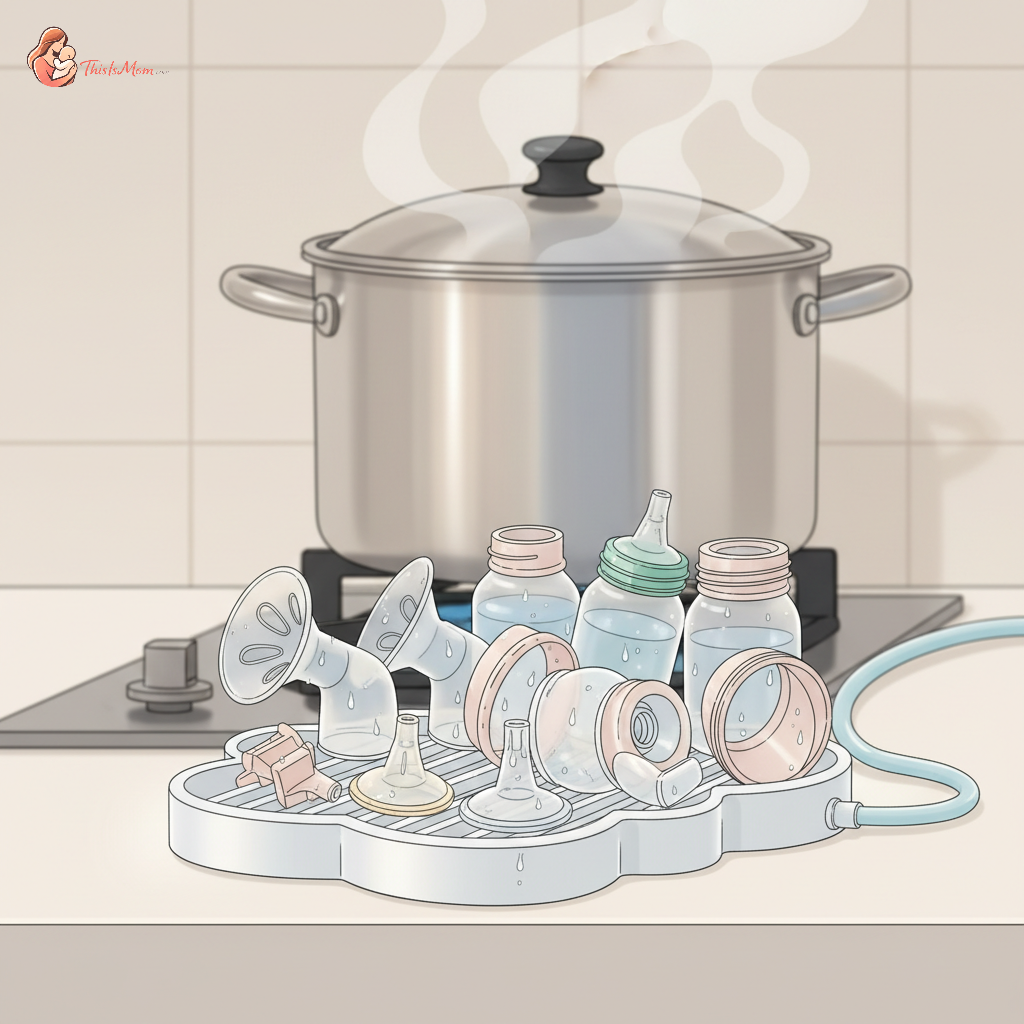
How to Sterilize Breast Pump Parts Without a Dishwasher or Steam Bags
In just 5 minutes, you'll know exactly how to safely and effectively sterilize your breast pump parts at home, even without a dishwasher or steam bags. As a mom of twins, I’ve been there: juggling feeding, pumping, and an ever-growing pile of tiny plastic parts. You need methods that are reliable and straightforward. Forget the Reddit rabbit hole; I’ve tested these techniques to give you clear, actionable advice.
This guide will walk you through proven methods to ensure your breast pump parts are germ-free, giving you peace of mind and protecting your baby. We'll cover the crucial difference between cleaning and sterilizing, the best at-home techniques, and how often you actually need to do it.
Why Sterilizing Breast Pump Parts Matters (Beyond Just Cleaning)
Let's be clear: cleaning your pump parts after each use is non-negotiable. But cleaning doesn’t kill all germs. Sterilizing is a critical step to eliminate bacteria, viruses, and other microorganisms that can survive simple washing.
- Preventing Illness: For infants, especially newborns, their immune systems are still developing. Contaminated pump parts can introduce harmful pathogens, leading to infections that can be serious.
- Maintaining Milk Quality: While less critical than infant health, residual milk protein can degrade over time and potentially affect the stored milk quality. Sterilization helps remove this.
- Peace of Mind: Knowing your equipment is properly sanitized allows you to feel confident about feeding your baby expressed milk. This is invaluable when you’re exhausted and trying to do it all. If you're struggling with exhaustion, you might find military breathing to stop parenting burnout helpful.
The Basics: Cleaning vs. Sterilizing Your Breast Pump Parts
It's easy to confuse cleaning with sterilizing. They are distinct processes with different goals.
Daily Cleaning: What It Is (and What It Isn't)
Daily cleaning involves disassembling your pump parts and washing them with warm, soapy water after each pumping session.
- What to do: Use a clean bottle brush and mild dish soap. Rinse thoroughly with clean water.
- What NOT to do: Do not use harsh detergents or abrasive sponges. Avoid letting parts air dry on a surface that isn't clean.
Cleaning removes milk residue and general grime. It's the essential first step before any sterilization.
When Sterilization is Recommended by Experts (like the CDC)
Health organizations, including the U.S. Centers for Disease Control and Prevention (CDC), recommend sterilization to ensure the safety of expressed milk feeding.
- For New Arrivals: Sterilization is especially critical for the first few months of a baby’s life, or as long as your baby is a preemie or has a compromised immune system. If you're expecting, learning what to ask at your first OB appointment after positive pregnancy test is important.
- Regularly: Even for healthy, full-term infants, the CDC advises sterilizing pump parts at least once daily.
This daily sterilization process is key to preventing illness and ensuring the highest standard of hygiene for your expressed milk.
Boiling Water: Your Go-To Method for Sterilizing Without Special Equipment
Boiling water is perhaps the most accessible and effective way to sterilize breast pump parts at home, especially if you don't have a dishwasher or specialized sterilizer. It’s a reliable method to kill off dangerous bacteria.
Step-by-Step Guide to Sterilizing with Boiling Water
This method requires careful attention but is highly effective.
- Disassemble and Clean: Take apart all parts that came into contact with breast milk. Wash them thoroughly with warm, soapy water and rinse.
- Prepare Your Pot: Use a clean pot large enough to hold all the parts without overcrowding. Fill it with enough water to fully submerge all components.
- Boil the Water: Bring the water to a rolling boil.
- Submerge Parts: Carefully place the clean pump parts into the boiling water. Ensure they are fully submerged.
- Boil for Recommended Time: Boil the parts for 5 minutes. For high-altitude areas (above 6,500 feet), boil for 10 minutes.
- Remove and Dry: Carefully remove the parts from the boiling water using clean tongs. Place them on a clean paper towel or a clean drying rack.
Always ensure the parts are completely dry before reassembling or storing them.
Which Parts Can Be Boiled? (and Which Cannot)
Nearly all hard plastic and silicone breast pump components are safe to boil. This typically includes:
- Flanges
- Valves
- O-rings
- Bottle adapters
- Breast shields
However, check your manufacturer's instructions. Some pump parts, especially those with integrated tubing or electronics, cannot be boiled. Silicone tubing, certain membranes, and electronic components will likely be damaged by high heat. If in doubt, always refer to your pump’s manual or contact the manufacturer.
Discover your baby's phase
Chemical Sterilization: A Convenient Alternative for Travel or Limited Access
When boiling isn't feasible, or you need a quick sterilizing solution, chemical sterilization using tablets or solutions is a viable option. These products are designed to kill germs effectively.
Using Sterilizing Tablets or Solutions Safely
These products often come in tablet form or as a liquid concentrate that you mix with water.
- Clean Parts First: As always, thoroughly clean all pump parts with soap and water before starting the chemical sterilization process.
- Prepare Solution: Follow the product's instructions precisely. This usually involves dissolving a tablet or mixing a concentrate into a specific amount of water in a clean container.
- Submerge Parts: Place the clean pump parts into the prepared solution, ensuring they are fully submerged and there are no air bubbles trapped.
- Soak for Required Time: Allow the parts to soak for the duration specified by the manufacturer, typically 15-30 minutes.
- Rinse Thoroughly: This step is crucial. After soaking, remove the parts and rinse them thoroughly under clean running water. This removes any chemical residue.
- Dry: Air dry on a clean surface or rack, or dry with a clean paper towel.
Important Safety Precautions to Follow
- Read Labels: Always read and follow the product’s instructions and safety warnings.
- Use Clean Containers: Ensure the container used for the solution is clean and dedicated for this purpose.
- Adequate Ventilation: Use these products in a well-ventilated area.
- Avoid Contact: Prevent direct contact of the concentrated solution with skin and eyes.
- Not for Ingestion: The sterilizing solution is not to be ingested.
- Rinse, Rinse, Rinse: Inadequate rinsing is the most common mistake and can leave harmful chemical residues.
How Often Should You Sterilize Breast Pump Parts Anyway?
Figuring out your sterilization schedule is key. The general recommendation simplifies this significantly.
Newborns vs. Older Babies: Differing Recommendations
- For all infants, especially newborns, preemies, or those with compromised immune systems: Sterilize pump parts at least once daily. This is the standard recommendation from health authorities like the CDC. If your baby is a preemie, you might also be interested in what to ask at your first OB appointment after positive pregnancy test.
- For healthy, full-term infants: The recommendation remains at least once daily to protect against potential bacterial growth and transmission.
While some parents might stretch this to every few days for older, healthy babies, the safest approach is daily sterilization.
Situations That Warrant More Frequent Sterilization
- Recalls: If your baby is ill or has a weakened immune system, doctors may advise more frequent sterilization, possibly even after each use.
- Suspected Contamination: If you suspect any part of your pump might be contaminated, sterilize it immediately.
- Travel: When traveling, especially if access to your usual cleaning facilities is limited, consider a portable sterilizer or chemical solutions for more frequent sterilization. This might be relevant if you're planning essential stroller features for NYC public transit.
The bottom line is that daily sterilization is the safest bet for all babies.
Quick Answers: Your Breast Pump Sterilization FAQs
Here are common questions I get asked about how to sterilize breast pump parts at home without specialized gadgets.
Can a Bottle Sterilizer Be Used for Pump Parts?
Yes, generally. Most electric bottle steam sterilizers are designed to handle high heat and steam, making them suitable for most breast pump parts. Always check your pump manual and the sterilizer manual to ensure compatibility. The steam within these units effectively sterilizes pump components just as it does bottles.
What About Microwave Sterilizer Bags (and why they're different)?
Microwave steam sterilizer bags are designed for items like bottles and nipples, but are less ideal for many breast pump parts.
- Heat Distribution: Microwaves heat unevenly, and some pump parts might not be exposed to sufficient steam for effective sterilization.
- Material Compatibility: Certain pump parts might warp or melt under microwave heat.
- Bag Size: Bags are often too small to accommodate multiple pump flanges and accessories properly.
While some manufacturers might approve specific pump parts for use in their microwave bags, it’s generally a less reliable method compared to boiling or dedicated steam sterilizers.
Tips for Drying and Storing Sterilized Parts
Proper drying and storage are as critical as the sterilization process itself.
- Air Dry Completely: After sterilizing and rinsing, allow all parts to air dry completely on a clean surface, like a paper towel or a clean dish rack. Do not towel-dry with a cloth, as this can reintroduce germs.
- Clean Storage: Store dried parts in a clean, covered container or a sealed zip-top bag.
- Avoid Re-Contamination: Once sterilized, try to keep parts clean. Wash your hands thoroughly before handling them.