Toddler & Baby Einstein: When to Stop & What to Watch
Is your toddler watching Baby Einstein? Learn AAP guidelines on screen time, what age to stop passive viewing, and engaging alternatives for healthy development.
Toddler Watches Baby Einstein: What Age to Stop and What to Watch Instead
Your toddler is captivated by the bright colors and music of Baby Einstein. But as they grow, you’re wondering if this seemingly "educational" content is truly beneficial. This is a common question for parents navigating screen time, and understanding the guidelines can help.
For parents, especially those with very young children, the question of screen time often arises. The American Academy of Pediatrics (AAP) has long provided guidance on media use for children. While acknowledging that some families find limited media use helpful, the AAP’s overarching recommendation for children younger than 18 months is to avoid screen use altogether, except for video-chatting with family. For older toddlers, the AAP suggests prioritizing high-quality programming and ensuring media does not displace crucial activities like playing, reading, and sleeping.
It's important to distinguish between different types of media engagement. Passive viewing, like much of what is found in programs such as Baby Einstein, involves a child simply watching a screen. This contrasts with interactive media, where a child actively participates, such as educational apps designed for touchscreens or games that require problem-solving. Research suggests that interactive media, when used appropriately, can offer more developmental benefits than passive viewing.
Understanding Toddler Screen Time: What Experts Say
When discussing screen time for toddlers, guidelines from organizations like the AAP offer a framework. For children aged 18-24 months, the AAP suggests that if parents choose to introduce digital media, they should do so alongside their child, helping them understand what they are seeing. Co-viewing is key to making the experience more interactive and beneficial.
For children aged 2-5 years, the AAP recommends that screen use be limited to one hour per day of high-quality programming. Crucially, they advise parents to curate content. This means choosing shows and apps specifically designed to be educational and age-appropriate. The emphasis is on quality over quantity, and ensuring screen time does not interfere with essential developmental activities.
The difference between passive viewing and interactive media significantly impacts how screen time affects young children. Passive viewing involves a child absorbing information without much active engagement. Interactive media, on the other hand, requires the child to respond, make choices, or perform actions, fostering problem-solving skills and deeper engagement. While Baby Einstein was designed with educational intent, its effectiveness compared to other forms of engagement is a point of discussion among child development experts.
Baby Einstein and Toddler Development: Is it Really 'Good'?
The original intent behind Baby Einstein was to introduce very young children to concepts like music, language, and basic objects in a visually stimulating way. However, research on the actual impact of such passive viewing on language development and cognitive skills has been mixed. Some studies suggest that early exposure to passive media might not offer the same benefits as interactive learning or language-rich environments.
This has led to questions about whether Baby Einstein is overstimulating for toddlers. While the content is typically gentle, the rapid pace of visual changes and sounds can, for some children, lead to a "zoned out" state rather than active learning. Signs of overstimulation might include difficulty transitioning away from the screen, increased irritability after viewing, or a seeming lack of engagement with the real world. If you notice these behaviors, it could indicate that the program, or the amount of time spent watching it, needs reconsideration.
So, what age is Baby Einstein show for, and when should parents consider transitioning away? While there's no single "magic number," developmental experts generally agree that the younger the child, the less benefit there is from passive screen content. For infants and very young toddlers, interactive experiences with caregivers are paramount. As a child approaches and moves beyond 18-24 months, the AAP's recommendation for limited, high-quality, and co-viewed content becomes more relevant. Watching Baby Einstein past age 2 or 3 might be less beneficial than engaging in activities that promote active learning and social interaction.
Signs Your Toddler is Ready to Stop (or Reduce) Baby Einstein
Observing your toddler's engagement with any screen content is crucial for determining its appropriateness. With Baby Einstein, ask yourself: Are they truly learning and interacting, or are they simply zoned out, passively absorbing images and sounds without processing them? If your child's eyes are glazed over and they show little reaction, it might be a sign they are not benefiting.
Discover your baby's phase
Another indicator is your child's behavior after screen time. If they have difficulty transitioning to other activities, become unusually fussy, or seem less interested in playing, it could signal that passive viewing is impacting their mood and ability to self-regulate. This often suggests toddlers need more active engagement.
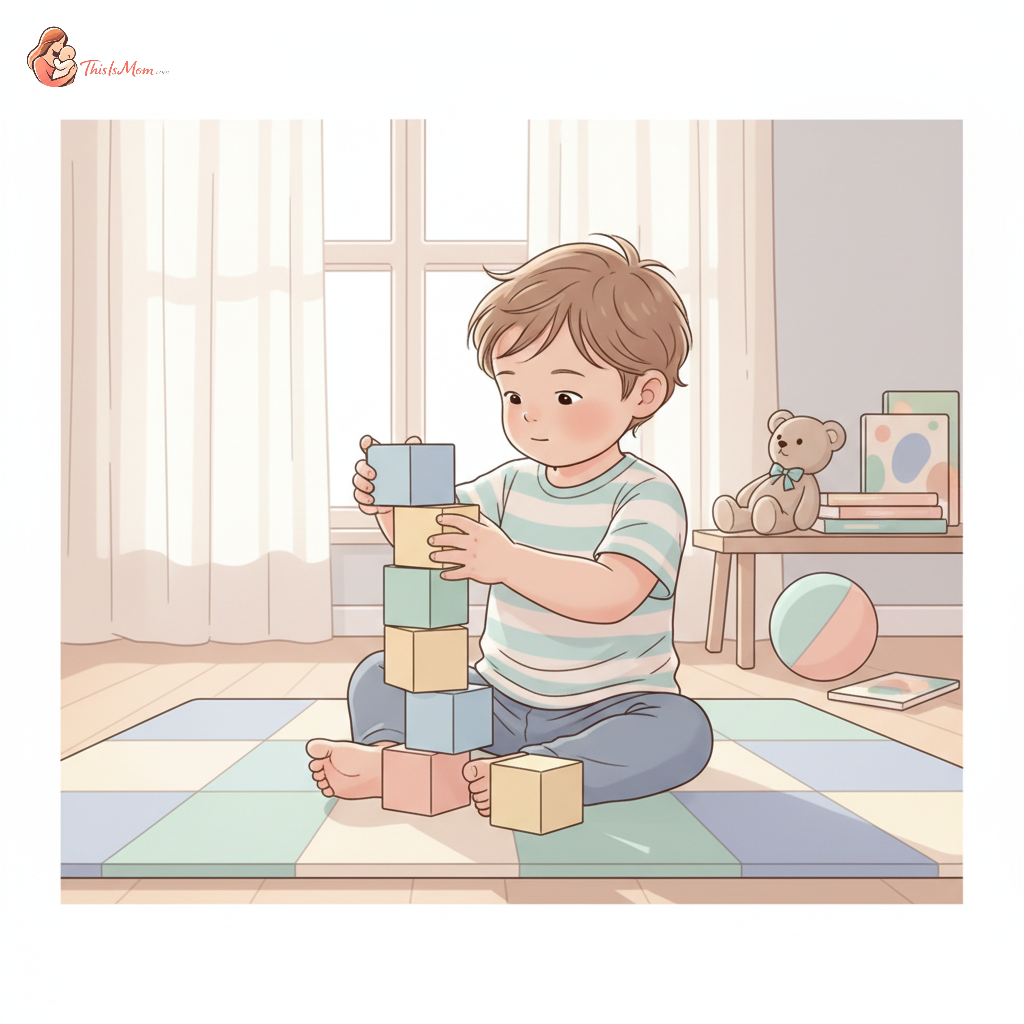
The shift towards needing more interactive play and exploration is a natural part of toddler development. As children grow, their brains are wired for hands-on learning, social interaction, and imaginative play. If Baby Einstein is taking up time that could be spent building blocks, reading books, or engaging in pretend play, it may be hindering their development in these crucial areas. Research strongly suggests that these active forms of play are far more beneficial for cognitive and social-emotional growth.
Gentle Transitions: How to Phase Out Passive Screen Time
Transitioning away from screen time, especially something as familiar as Baby Einstein, doesn't have to be a battle. The key is to gradually introduce alternatives and make them appealing.
- Books are a wonderful foundation; make reading a regular, enjoyable part of your daily routine. Point to pictures, ask questions, and let your child explore books independently.
- Imaginative play is another vital area to nurture. Provide open-ended toys like blocks, dolls, play kitchens, or art supplies that encourage creativity.
- Don't underestimate the power of outdoor adventures – a walk in the park, playing in a safe backyard, or simply exploring nature can be incredibly stimulating for a toddler's development.
When reducing screen time, consistency is vital. Consider these strategies:
- Set clear limits: Decide on a reasonable amount of screen time, if any, and stick to it.
- Offer compelling alternatives: Have engaging activities readily available when screen time isn't an option.
- Use screen time strategically: Reserve it for times when you truly need it, rather than as a default activity.
- Avoid replacing connection: Ensure that screen time doesn't take away from quality time with you and other family members.
Finally, modeling healthy screen habits as a parent is incredibly effective. Let your child see you reading books, engaging in hobbies, and enjoying screen-free activities. This shows them there are many fulfilling ways to spend time beyond a glowing screen.
Beyond Baby Einstein: Embracing Developmentally Appropriate Activities
As you move beyond watching Baby Einstein and similar passive programs, there are numerous developmentally appropriate activities that can support your toddler's growth. Boosting language skills, for instance, is most effective through rich verbal interaction. Strike up conversations with your toddler throughout the day, narrate what you're doing, and respond enthusiastically to their utterances. Reading together daily remains one of the most powerful tools for language development.
Encouraging cognitive growth can happen through simple, everyday activities. Puzzles, shape sorters, and stacking toys encourage problem-solving. Allowing your child to help with age-appropriate chores, like putting toys away or helping set the table, also builds cognitive skills and a sense of responsibility. Asking "why" and "how" questions during play can foster critical thinking.
Supporting physical development is paramount. Toddlers need ample opportunities for active play. This includes running, jumping, climbing (in safe environments), dancing, and engaging in gross motor activities. These experiences are essential for developing coordination, balance, and overall physical health.
Embracing these forms of engagement provides a much richer and more beneficial foundation for your child's development than passive screen time. By understanding the guidelines and observing your child's cues, you can make informed decisions about their media consumption and prioritize activities that truly foster their growth.