21 Fun Activities for Clumsy 2-Year-Old Gross Motor Skills
Discover 21 playful, low-cost activities for clumsy 2-year-olds to boost gross motor skills, balance, and confidence through fun. Learn when to consult a pediatrician.
- Stumble or trip more often: Their feet might not quite clear obstacles, or their body might not be fully synchronized.
- Have difficulty with precise movements: Throwing a ball with accuracy or catching one might be challenging.
- Seem to lack coordination: Transitions between movements, like sitting down after standing, can appear awkward.
- Fall more frequently: This is part of the learning process, helping them understand their limits and how to recover.
It’s important to remember that these are normal stages of development. The child is actively practicing and internalizing movements. This stage offers a wonderful opportunity to introduce age-appropriate exercises for clumsy children that support their growth in a fun, pressure-free way.
When to Consider Talking to Your Pediatrician
While many instances of perceived clumsiness are part of typical development, it’s always wise to be aware of milestones. If you have significant concerns, or if your child consistently struggles with age-appropriate gross motor skills, it's worth a conversation with your pediatrician. Signs to watch for might include:
- Significant delays in walking or maintaining balance by 18 months.
- Persistent toe-walking that doesn't resolve.
- Difficulty with basic activities like sitting or crawling.
- Signs of consistent muscle weakness or stiffness.
- A significant asymmetry in movement (e.g., always favoring one side).
Your pediatrician can offer guidance and, if necessary, recommend further evaluation to improve gross motor skills for 2-year-old children who might need support. Trusting your parental intuition is key.
Playful Activities to Boost Gross Motor Skills (No Pressure, Just Fun!)
The best way to support a two-year-old’s gross motor development is through engaging, child-led play. These gross motor skills activities for 2-3 year olds are designed to be joyful explorations, not lessons. The focus is on movement, discovery, and building confidence through experience.
Obstacle Courses for Little Explorers
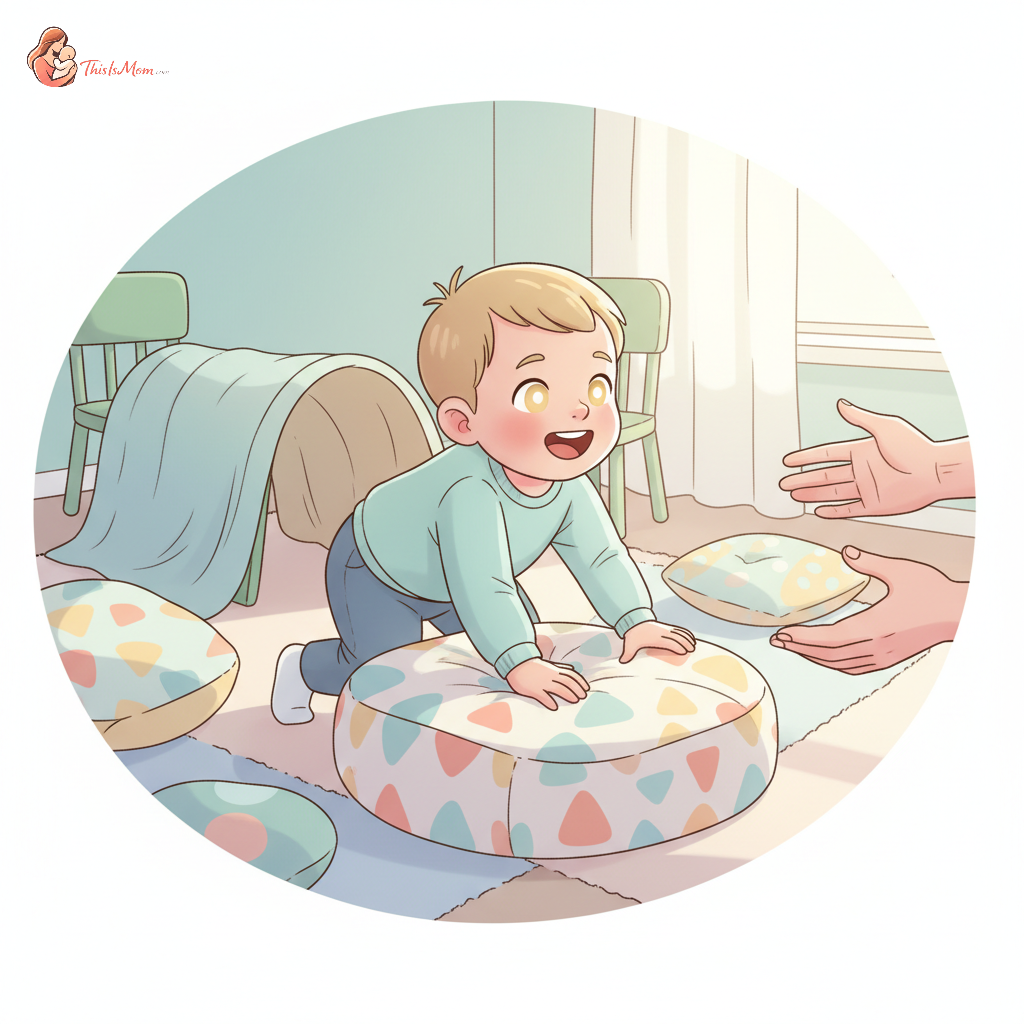
Transform your living room or backyard into a miniature adventure zone. Use pillows to crawl over, a tunnel (or draped blanket) to go through, and cushions to step on. The goal is not perfection, but participation.
- Crawl: Place a pillow on the floor and encourage your child to crawl over it.
- Crouch: Create a "cave" with chairs and a blanket, and have them duck under.
- Climb: Stack soft cushions for them to ascend and descend.
- Navigate: Set up a simple line of painter's tape on the floor for them to follow, stepping inside the lines.
These simple setups encourage a variety of movements like crawling, bending, and balancing, all crucial for developing coordination in activities for clumsy 2-year-old children.
Balancing Acts and Walking Games
Balance is a skill that develops over time. Engage your child with activities that gently challenge their equilibrium.
- Walking the Line: As mentioned, using painter's tape to create a line on the floor can be a fun challenge. You might start by placing it straight and gradually introduce gentle curves.
- "Follow the Leader" Walks: Walk slowly and deliberately, exaggerating your steps, perhaps on a curb or a low, wide beam outdoors.
- Step Up and Down: Use a low step stool or a single stair (with close supervision) to practice stepping up and down with alternating feet.
The key is to make it feel like a game, celebrating each successful step rather than dwelling on any wobbles. This supports their toddler's clumsy development by providing guided practice.
Catching, Throwing, and Kicking Fun
These actions require hand-eye and foot-eye coordination, which are still emerging at this age. Keep it simple and low-pressure.
- Rolling Balls: Sit a few feet apart and roll a medium-sized, soft ball back and forth. This is a great precursor to catching and throwing. From Encourage Independent Play for a Clingy Toddler to Baby Gags on Purees? A 5-Step Guide to Spoon-Feeding, we have you covered.
- Gentle Tosses: Use soft, lightweight balls (like beanbags or large foam balls). Stand close and gently toss the ball towards them, encouraging them to step forward to meet it or reach out. Don't expect them to catch it consistently; focus on the interaction.
- Kicking Practice: Place a ball in front of your child and encourage them to kick it. They might not achieve a powerful kick, but the motion of swinging their leg and making contact is excellent practice.
Dancing and Movement to Music
Music is a powerful motivator for movement. Put on some fun tunes and let your child’s body respond.
- Free Dance: Turn on music and encourage them to move however they feel. You can join in, dancing alongside them.
- Follow the Rhythm: Clap a simple beat and encourage them to clap along, or stomp their feet.
- Movement Songs: Songs with actions, like "Head, Shoulders, Knees, and Toes," provide structured opportunities to practice body awareness and coordinated movements.
Simple Exercises for Clumsy Children at Home
Beyond structured play, simple, everyday movements can become valuable gross motor exercises. These are not about formal workouts but about integrating movement into the fabric of their day.
Animal Walks: Bear Crawls, Crab Walks
Discover your baby's phase
Animal walks are fantastic for building strength and coordination in a fun, imaginative way.
- Bear Crawl: Encourage your child to place their hands and feet on the floor and walk forward on all fours, keeping their bottom up. This strengthens shoulders and core.
- Crab Walk: Have your child sit with their knees bent, feet flat on the floor, and hands behind them. They can then lift their hips and "walk" forward or backward. This is great for arm and leg strength.
- Frog Jumps (small hops): While a full jump might be too advanced, encourage a low squat and a small hop forward, mimicking a frog.
These activities for clumsy 2-year-old children make building strength feel like an adventure.
Jumping, Hopping, and Stomping Games
These actions require more advanced coordination and strength, so meet your child where they are.
- Stomping: Encourage them to stomp their feet to music or just for fun. This builds leg strength and control.
- Hopping on Two Feet: Start by encouraging them to lift both feet off the ground simultaneously for a moment. Initially, they might just do a little bounce.
- Propelled Jumping: Hold their hands and help them spring off both feet. Gradually reduce your assistance as their confidence and ability grow.
Climbing Up, Down, and All Around
Climbing is a natural inclination for many toddlers and is excellent for developing strength, balance, and spatial awareness.
- Playground Climbers: Supervise them closely on age-appropriate playground equipment.
- Indoor Climbing: If you have a soft landing surface, small, sturdy climbing structures or even large, stable storage bins can offer opportunities for climbing practice.
- Stairs: Always supervise closely, but allow practice on stairs, teaching them to go up on hands and knees or with assistance, and to come down facing the stairs, holding on.
Creating a Supportive Environment for Movement and Growth
Your home and your attitude play a significant role in how your child explores their physical capabilities. Creating a supportive environment means making movement safe, accessible, and celebrated.
Safety First: Clearing the Clutter
A safe space is paramount for a child learning to move their body with increasing confidence.
- Clear Pathways: Ensure hallways and main play areas are free of tripping hazards like toys, cords, or unsecured rugs.
- Soft Surfaces: Consider strategically placed play mats or rugs in areas where falls are more likely.
- Secure Furniture: Anchor heavy furniture to the walls to prevent tipping.
A well-prepared environment allows the child to explore without constant redirection due to safety concerns.
Encouraging Outdoor Play and Exploration
The outdoors offers a wealth of opportunities for gross motor development and sensory exploration.
- Parks and Playgrounds: These are natural environments for running, climbing, swinging, and sliding.
- Backyard Adventures: Even a small yard can offer space for kicking a ball, running, or exploring uneven terrain.
- Nature Walks: Exploring gentle hiking trails or simply walking around the block encourages walking on different surfaces and navigating natural obstacles.
Building Confidence Through Repetition and Praise
The most powerful tool we have is our encouragement.
- Focus on Effort, Not Outcome: Praise their attempt. "Wow, you really tried to hop!" is more constructive than "You didn't do it right."
- Celebrate Small Wins: Acknowledge milestones, no matter how small. "You stepped up that stair all by yourself!" can be very motivating.
- Allow for Mistakes: Try not to react with alarm when they stumble. A calm, reassuring presence helps them feel safe to try again.
Remember, your belief in their capability is infectious.
Trusting Your Inner Guide
Every child embarks on their developmental journey at their own pace. While supporting your child’s growing gross motor skills through play and gentle encouragement is wonderful, trust your parental wisdom. If you observe persistent challenges or have concerns about your child’s toddler's clumsy development that go beyond typical wobbles, don’t hesitate to reach out to your pediatrician. They can provide reassurance, resources, or the necessary professional guidance to ensure your child is thriving. Observing, supporting, and celebrating your child's unique way of moving through the world is one of the most beautiful aspects of parenthood.
Try this week to create a simple obstacle course in your living room using pillows and your sofa. See how your child navigates it, what challenges them, and what brings them joy.