Toddler Bed Options for Small Bedrooms: Space-Saving Guide
Discover the best toddler bed options for small bedrooms. Learn about floor beds, compact frames, and convertible cribs to maximize space without sacrificing comfort or safety.
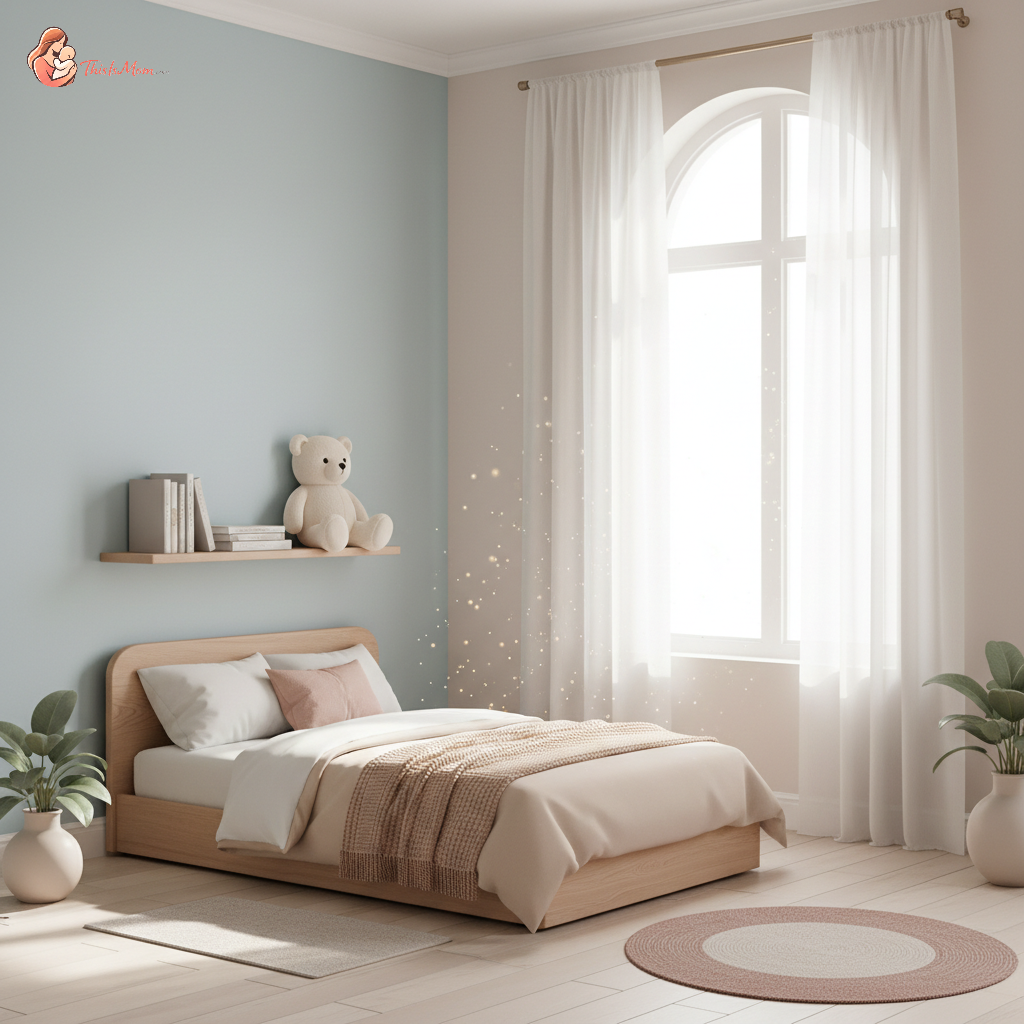
Toddler Bed Options for Small Bedroom Space Saving: Cut the Clutter, Not the Sleep
In just 5 minutes, you'll discover which toddler bed is best for your small bedroom – and which types to avoid. I've personally navigated this transition with my own twins, squeezing functional sleep spaces into surprisingly tiny rooms. The key isn't just finding a bed; it's finding the right bed that maximizes every square inch without sacrificing your child's safe and comfortable sleep. Let's cut through the noise and find the perfect fit for your home.
The Next Sleep Stage, Without the Space Stress
Migrating your little one from a crib to a toddler bed is a major milestone. It signals growing independence and prepares them for a bigger bed. But when your child's room is on the smaller side, this transition can feel like a Tetris puzzle. You need a solution that respects limited square footage while ensuring safety and promoting good sleep habits.
From Crib to Bed: The Next Sleep Stage
The switch typically happens between 18 months and 3 years old. Your child is either climbing out of their crib or has simply outgrown it. This is the perfect time to introduce a more accessible bed. If you're wondering about developmental cues, check out when to consult a pediatrician for an 18-month-old not pointing as readiness signs vary.
Small Bedroom Challenges: Making Every Inch Count
Tight quarters mean every furniture choice has a ripple effect. A bulky bed can make a small room feel even smaller, hindering play space and creating tripping hazards. The goal for these toddler bed options for small bedroom space saving is to get the most function from the least footprint.
Top Space-Saving Toddler Bed Options
Finding a bed that fits isn't just about dimensions. It's about smart design and how it integrates into your actual living situation, especially in a parent's room or a compact nursery.
Floor Beds: Simple, Safe, and Hugging the Ground
A floor bed is essentially a mattress placed directly on the floor. This is a wonderfully simple and safe option for toddlers learning to navigate their newfound freedom.
- Pros:
- Extremely low risk of falls.
- Encourages independence as kids can get in and out easily.
- Minimalist aesthetic, taking up very little visual space.
- Can be DIY'd with just a mattress and potentially some decorative touches.
- Cons:
- Can be harder to keep clean with spills or accidents.
- May not feel "bed-like" enough for some children initially.
- Requires a safe sleep surface to avoid dust or drafts.
This is a fantastic toddler floor bed for small spaces because it eliminates the need for a bulky frame and rails.
Compact Toddler Bed Frames: Designed for Tight Spaces
Many brands now offer toddler beds that are specifically designed to be smaller than a standard twin bed, often with a footprint closer to a crib.
- Pros:
- Slightly elevated, making it easier to get out of bed.
- Often includes side rails for added security.
- Can look more like a "real" bed, which kids love.
- Cons:
- Still requires more space than a floor bed.
- Be sure to check the exact dimensions, as some are only marginally smaller than a twin.
Look for models advertised as "mini" or "compact" to ensure they’re truly optimized for toddler beds for small rooms.
Convertible Cribs: The Long-Term Space Saver
If you're transitioning from a crib and want to maximize your investment and space, a convertible crib that turns into a toddler bed is a smart play. Many parents also look into how to prepare for daycare waiting lists when pregnant during this phase of life, highlighting the need for efficient planning.
- Pros:
- Handles multiple sleep stages (crib, toddler bed, sometimes daybed or full-size bed).
- Saves money and space compared to buying multiple beds.
- Maintains a familiar sleep environment for the child.
- Cons:
- The initial crib is often larger than a dedicated toddler bed.
- Conversion kits can be an additional purchase and require assembly.
- The toddler bed configuration might still be larger than other space-saving options.
For those looking at convertible cribs for small spaces, prioritize models that have a compact footprint in their crib form and a streamlined toddler bed conversion.
Daybeds & Trundles: Guest-Ready and Space-Efficient
A daybed can function as a toddler bed with the addition of a mattress and guardrail. They often have a pull-out trundle underneath, perfect for sleepovers or a parent co-sleeping option.
- Pros:
- Dual-purpose: seating during the day, sleeping at night.
- Trundle offers a second sleeping surface without taking up extra floor space when not in use.
- Can adapt as a guest bed for older children or adults.
- Cons:
- Can be bulkier than a standard toddler frame.
- The trundle mechanism adds to the overall cost and complexity.
- Might be too large for the absolute smallest rooms.
This is a great compromise if you frequently have overnight guests or need a small toddler bed for parents room that can double as a temporary adult resting spot.
Creative Alternatives to Traditional Beds in Small Bedrooms
Not every small room needs a standard bed frame. Think outside the box to maximize your floor plan.
What is the alternative to a bed in a small bedroom?
Alternatives focus on transforming existing furniture or using floor space creatively. This could include:
- Futons: A simple futon mattress on a low frame can double as seating.
- Floor mattress: A thick, comfortable mattress laid directly on the floor is the ultimate minimalist option.
- Nesting beds: Beds that tuck under each other when not in use.
Discover your baby's phase
These options are excellent when you need to free up floor space for active play during the day or when the room must serve multiple purposes.
DIY Space-Saving Solutions: Smart Hacks for Tiny Rooms
Sometimes, the best solution is one you create yourself.
- Pallet beds: Low-profile, customizable, and can be surprisingly stylish.
- Platform beds with integrated storage: Build a low platform that incorporates drawers or cubbies underneath.
- Wall-mounted beds (Murphy beds): While more complex and costly, a Murphy-style bed can be folded away completely when not in use.
These require some crafting skill but can offer highly personalized and extremely space-efficient solutions.
Maximizing Space: Storage & Layout for Tiny Toddler Rooms
Once you’ve chosen a bed, smart storage and layout are crucial for any toddler bed for small rooms. Consider how youmanage prenatal appointments with a toddler in tow to avoid adding extra stress to your home life.
Built-in Storage: Beds with Drawers or Shelves
Many toddler bed frames, even compact ones, come with built-in storage.
- Under-bed drawers: Perfect for stashing extra bedding, pajamas, or out-of-season clothes.
- Integrated shelving: Some headboards or footboards include small shelves for books or toys.
This is arguably the simplest way to add storage without taking up additional floor space. Look for your space saving toddler bed with storage specifically.
Vertical Space: Wall-Mounted Shelving & Organizers
Don't neglect the walls!
- Floating shelves: Ideal for books, decorative items, or displaying artwork.
- Wall-mounted cubbies or drawers: Provide a place for immediate-access toys or essentials.
- Hanging organizers: Over-the-door or wall-mounted fabric organizers can hold small toys, toiletries, or art supplies.
Utilizing vertical real estate is paramount in small room design.
Strategic Layout: Making the Most of Room Configuration
Consider how the bed placement impacts traffic flow.
- Corner placement: Pushing a bed into a corner can free up central floor space.
- Against a wall: Ensuring one side of the bed is against a wall minimizes its visual and physical footprint.
- Multi-functional furniture: A toy chest that also serves as a bench, or a small desk that fits under a shelf.
Think about how your child uses the room and arrange furniture to support those activities.
Safety First: Essential Considerations for Any Small Space Bed
Regardless of the bed type or room size, safety is non-negotiable.
Childproofing Your Toddler's Mini-Bedroom
Ensure all furniture is stable and anchored. Check for sharp corners or edges. Electrical outlets should be covered, and cords kept out of reach.
Following AAP Guidelines for Safe Sleep Environments
The American Academy of Pediatrics (AAP) recommends a firm, flat sleep surface. For toddlers, this means ensuring the mattress is supportive and not too soft. Side rails on toddler beds are generally recommended until the child has consistently demonstrated they can get in and out of bed without falling. If sleep becomes an issue, explore gentle sleep training methods for anxious parents.
Making the Right Choice: Your Toddler, Your Space, Your Needs
Navigating toddler bed options for small bedroom space saving means balancing needs: your child's comfort and safety, your available square footage, and your budget.
My Pick: For the ultimate in space-saving and safety, a well-placed toddler floor bed is hard to beat. It’s simple, economical, and fosters independence.
Worth the Splurge: If your budget allows and you're planning for the long haul, a high-quality convertible crib designed to be compact is a wise investment.
Skip This: Avoid oversized, traditional twin beds or elaborate bed frames that eat up precious floor space, unless you have a specific layout that can accommodate them without compromise.
Choosing the right bed is about creating a functional, safe, and happy sleep sanctuary for your little one, no matter how small the room. This journey from crib to toddler bed is significant, and finding the right sleep solution for a compact space doesn’t have to be a headache. By focusing on smart design, multi-functionality, and safety, you can create a perfect sleeping nook that feels anything but cramped.