Toddler Cries if TV is Off During Meal Prep? Get Solutions
Is your toddler crying when you turn off the TV for meal prep? Discover gentle, screen-free strategies to engage your child, reduce meltdowns, and create a peaceful kitchen.
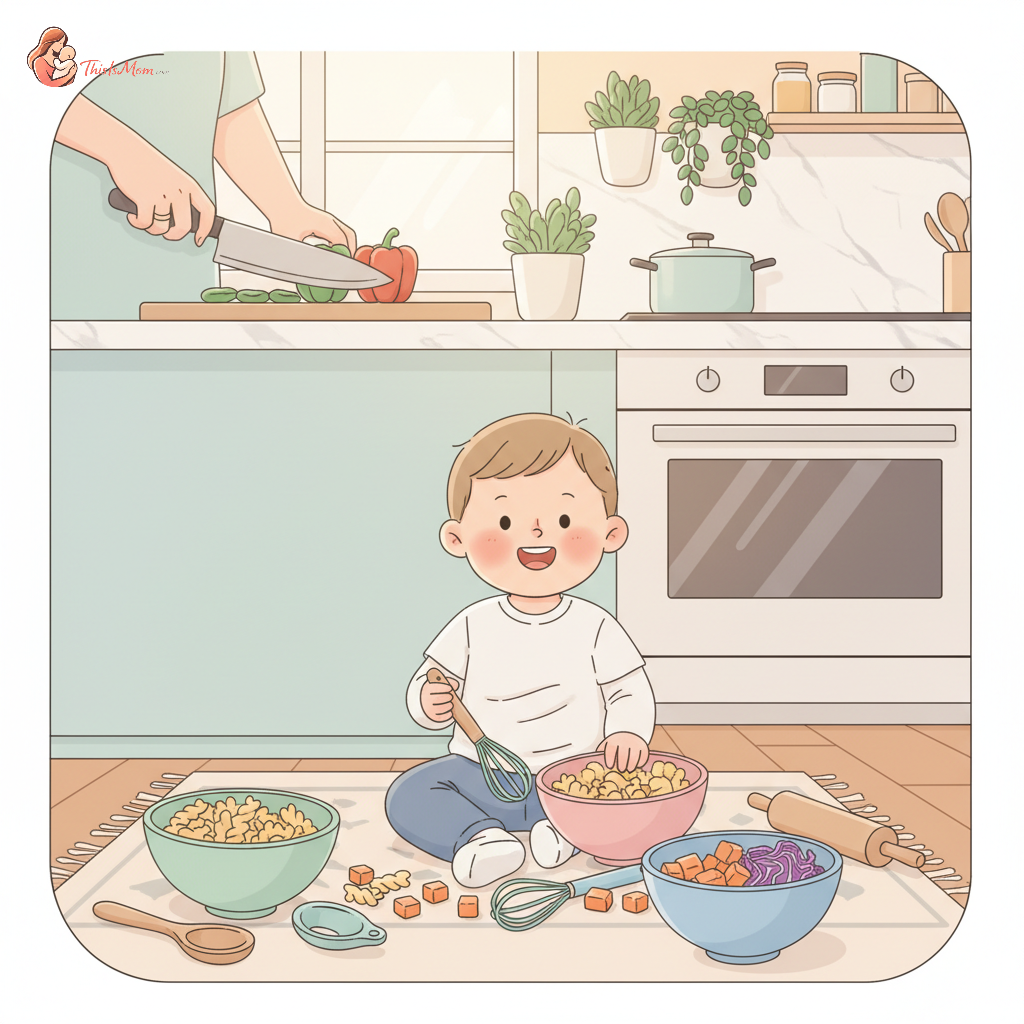
My Toddler Cries if TV Is Off During Meal Prep? You're Not Alone.
With my first, the moment I even thought about chopping an onion, the tablet was out. And then came the inevitable wail when it was time to put it away for dinner prep. By my fourth, things looked… different. There wasn't a frantic search for the iPad. Instead, there was a little helper handing me a wooden spoon. Looking back, the biggest shift wasn't in my kids' behavior, but in my own approach to those chaotic kitchen moments. If I could tell my younger self one thing, it’s this: you don't need a screen to survive meal prep with a toddler.
Why Toddlers Get Hooked on Kitchen Screens
It’s easy to see why the TV or tablet becomes the go-to when you’re trying to make dinner. The flashing lights, familiar characters – it’s an instant pacifier for a curious, often demanding, toddler. For us parents, it’s a moment of peace, a chance to focus on the task at hand without a small person clinging to our legs or trying to "help" by dumping flour on the floor. The truth nobody tells you is that this reliance can quickly become a habit, a default setting that’s hard to break. You’re trying to cook, and my toddler cries if TV is off during meal prep becomes your daily soundtrack.
Changing the Scene: New Rhythms and Expectations
Transitioning away from screen reliance isn't about deprivation; it’s about reframing. It’s about showing your little one that the kitchen can be a place of engagement, not just passive entertainment. Transitioning your toddler from screen time is a key part of this.
Getting Ready for the Great Unplugging
Before you flick off the TV, have a gentle conversation. You don’t need long lectures. Something as simple as, "Mommy needs to focus on making our yummy dinner tonight, so we'll find a special job for you to do instead of watching the screen," can plant a seed.
Unveiling Your New 'Kitchen Rules'
Start small. Announce, "From now on, during cooking time, we use our hands and our voices to play!" or "Our kitchen playtime is screen-free time!" Consistency is your best friend here. You can learn more about how to introduce screen-free calm down corners for toddlers to help them manage emotions.
Screen-Free Solutions: Fun That Keeps Them Close
This is where the real magic happens. It’s about finding ways to engage your toddler safely and meaningfully while you’re busy. The goal is independent play, or at least, semi-independent play, where they are occupied and happy near you.
Your Little Kitchen Assistant: Safe Tasks for Tiny Hands
Toddlers love to feel useful. Think about what they can do that mimics your actions without being dangerous.
- Washing produce: A bin of water and some safe veggies or fruits (like carrots or apples) can keep them occupied for ages.
- "Chopping" soft items: Using a child-safe knife to cut things like cooked noodles or soft fruits.
- Stirring (with supervision): A bowl of water and a whisk or spoon.
- Measuring: Let them practice scooping flour or sugar into a separate bowl.
- Peeling: Simple things like peeling a hard-boiled egg (after you’ve cooked it!) or husking corn.
Sensory Play and Practical Life Activities
These are gold for toddler development and can easily be adapted for the kitchen.
- Sensory bins: Fill a large plastic bin with dry pasta, rice, beans, or even water beads (with close supervision). Add cups, spoons, and small toys for scooping and pouring.
- Playdough station: Set up some playdough with cookie cutters and child-safe tools. This can be done at a small table right in the kitchen.
- Water play: A shallow bin of water on the floor with some bath toys can be a lifesaver, especially if your toddler enjoys a good splash.
Discover your baby's phase
Creating a Dedicated Kitchen Play Zone
If you have the space, even a small corner can become their designated "kitchen play area." This could be a small child-sized table and chairs, or even just a rug with a few approved toys. This signals that this is their special space for kitchen-time fun.
The Enduring Charm of Open-Ended Toys
These are the toys that let their imagination run wild.
- Wooden blocks: For building towers or creating "ingredients."
- Nesting cups and bowls: Perfect for stacking, sorting, and pouring.
- Toy food and kitchen sets: A classic for a reason.
- Empty containers and lids: Toddlers are endlessly fascinated by simply opening and closing things.
These easy toddler lunch ideas for daycare don't require batteries or elaborate instructions. They foster creativity and problem-solving, skills that will serve them far longer than any cartoon.
Embracing the Toddler Meal Prep Meltdowns (with grace!)
Let's be real. Not every transition is smooth. There will likely be toddler meal prep meltdowns when the TV goes off. This is normal.
Validating Feelings, Not Giving In
Your toddler’s emotions are real. Acknowledge them without caving. "I know you’re sad the TV is off. It’s hard to stop doing something fun." Then, gently redirect them to their new activity. "But look! We have playdough today!"
Your Calm Anchor in the Storm
When the tears come, try to remain calm. Your reaction sets the tone. Take a deep breath. Remind yourself this is a phase. Often, simply sitting with them, offering a gentle pat, or a quiet hum can help them regulate. You don't need to solve their sadness instantly; just be present.
Beyond the Kitchen: Weaving a Screen-Free Tapestry
These meal prep strategies are part of a larger picture. It’s about cultivating a home environment that values connection and independent play over screen consumption.
Charting Your Family's Screen-Time Course
Work with your partner to create a screen time plan for the whole family. Decide what hours are screen-free, what types of content are appropriate, and what alternatives you’ll offer. It’s not about banning screens entirely, but about intentionality.
The Lasting Gifts of Less Screen Time
Looking back, the benefits of reducing screen dependency are profound. Children develop stronger social skills, better attention spans, more robust imaginations, and a greater capacity for self-directed play. They learn to be present in the moment, to engage with their environment, and to find joy in simple activities. It’s about how to occupy your toddler during cooking in a way that builds them up.