Is Frequent Gagging on Textured Foods Normal for Toddlers?
Discover why toddlers gag on textured foods, when it's normal, signs to watch for, and strategies to help. Understand the gag reflex and seek expert guidance.
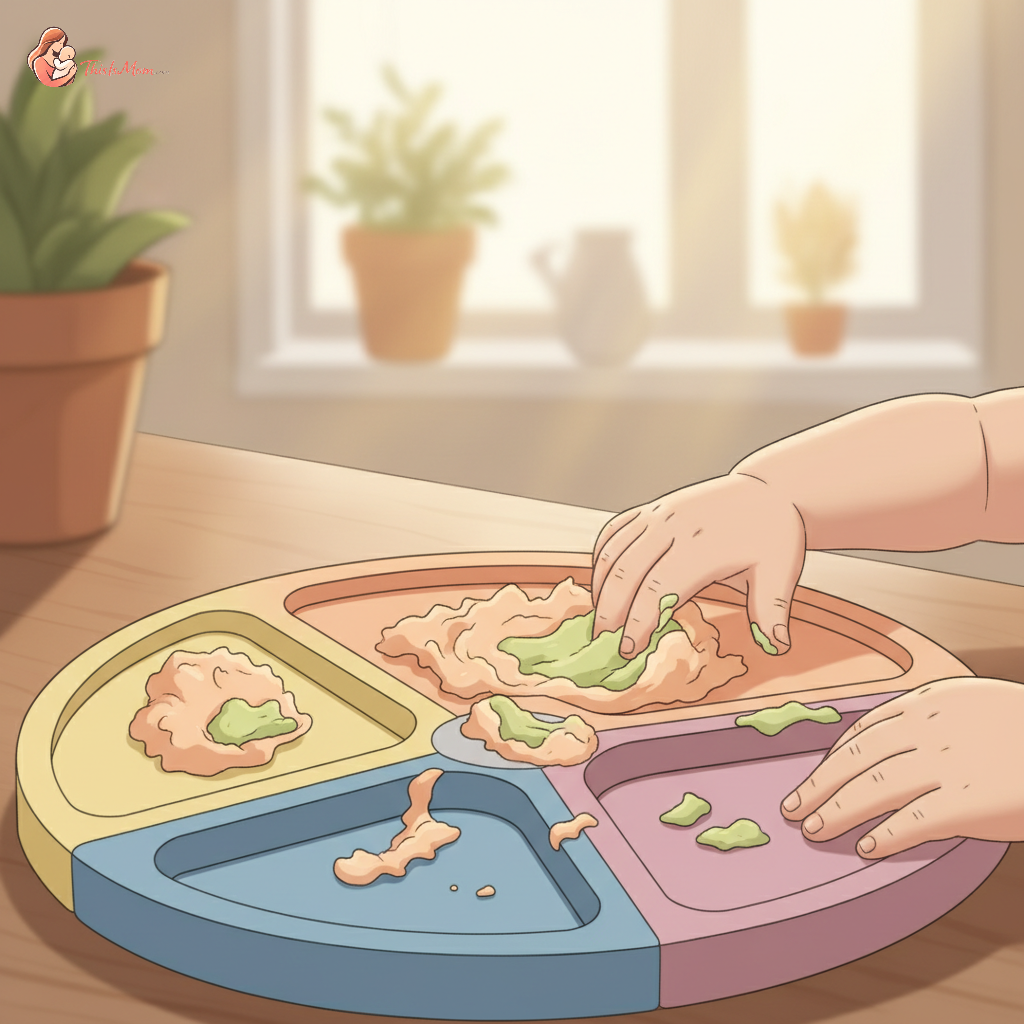
Is Frequent Gagging on Textured Foods Normal for Toddlers?
As your toddler bravely explores solid foods, you might encounter frequent coughing, sputtering, and gagging. This common concern leads many parents to wonder if this behavior is normal. Understanding the reasons behind it can help ease your worries and guide you toward the best approach.
Navigating the Gag Reflex: A Toddler's Journey
The gag reflex is a protective mechanism designed to prevent us from swallowing things that aren't meant to be ingested, like large pieces of food. In babies and young toddlers, this reflex is located much further forward in the mouth, making it more sensitive.
The American Academy of Pediatrics (AAP) explains that this sensitive gag reflex is a natural part of learning to manage different food consistencies. It's a sign that their bodies are working as they should to keep them safe as they develop oral motor skills.
It's crucial to distinguish between gagging and choking. Gagging is a noisy, often dramatic reflex where the tongue pushes food forward, and the child usually coughs it out. Choking, on the other hand, is silent or involves very quiet sounds, and the child cannot breathe, cough, or speak. The CDC emphasizes that any instance of suspected choking requires immediate intervention.
Why Toddlers Gag on Textures: More Than Just Pickiness
Several factors contribute to why your toddler might frequently gag on textured foods. Understanding these can offer insight into their feeding journey.
A Developmental Stage: Toddlers are in a crucial phase of learning to chew and swallow efficiently. Their oral motor skills are developing, and they are learning to coordinate tongue, jaw, and swallowing movements with new textures. The AAP notes that this learning curve is entirely normal.
Sensory Sensitivities: Some children have heightened sensory sensitivities. Certain textures, tastes, or smells might feel overwhelming to them, triggering a stronger gag reflex. This can be part of their overall sensory processing, affecting how they interact with the world.
Introducing New Textures: Moving from smooth purees to lumpier or firmer foods is a big step. Toddlers encounter a wide range of textures for the first time. It's a learning process, and gagging can occur as they figure out how to manage these new consistencies.
Psychological Factors: Occasionally, gagging might be linked to food aversion or a way for a toddler to exert control over their environment and what they eat. While less common, it's something to be aware of, especially if other behavioral patterns emerge around mealtimes. This can sometimes be seen when parents are trying to manage toddler tantrums during grocery shopping or when TV is paused for snack time.
When Gagging Signals a Need for a Closer Look
While gagging is often a normal part of development, there are certain signs that suggest you should pay closer attention and potentially seek professional advice. These red flags can indicate that your toddler's challenges with textured foods go beyond typical development.
- Consistent refusal of all textured foods: If your toddler consistently rejects any food with texture, even those they’ve previously tolerated, it might be a sign of a more significant issue. This is different from simply being picky about one or two items.
- Weight loss or poor weight gain: A significant concern is if gagging consistently leads to reduced intake and impacts your child’s growth. The Mayo Clinic advises consulting your pediatrician if you notice your child is not gaining weight as expected.
Discover your baby's phase
- Extreme distress or fear around mealtimes: If mealtimes are consistently a battleground filled with anxiety, tears, or outright fear for your toddler, it’s worth exploring the underlying reasons. This is especially true if the distress is linked to certain foods or eating routines.
- Repeated coughing or signs of aspiration: If your toddler frequently coughs during or immediately after swallowing, or if they seem to be getting food or liquid into their airway (aspiration), this is a serious concern. This can lead to respiratory issues and requires prompt medical evaluation. Always talk to your pediatrician if you suspect aspiration.
Strategies for Smoother Mealtimes with Textured Foods
If your toddler is experiencing frequent gagging, there are many supportive strategies you can implement at home to help them gradually accept and enjoy textured foods. The key is patience and a positive, pressure-free approach.
- Offer a 'just right' challenge: Introduce textures gradually. Start with slightly thicker purees, then move to very finely mashed foods, then to soft, small pieces. Think of it as a progression – from smooth to slightly lumpy to soft chunks. The goal is to offer foods that are a challenge but not overwhelming.
- Make mealtime a positive experience: Avoid pressure. Forcing a child to eat or making them feel guilty can create negative associations with food. Instead, focus on creating a relaxed and enjoyable environment. Offer the food, and let your toddler explore it at their own pace. This can be aided by ensuring that screen time isn't the sole focus of their attention during meals, as discussed in screen time alternatives for toddlers during work calls or when dealing with toddler tantrums when TV is paused.
- Model good eating habits: Family meals are invaluable. When your toddler sees parents and siblings eating and enjoying a variety of textures, they are more likely to try them themselves. Let them observe you chewing and swallowing normally.
- Embrace responsive feeding: This approach, often recommended by feeding specialists, involves following your child’s cues. Offer a variety of healthy foods, but allow your toddler to decide how much and if they will eat. This empowers them and reduces mealtime struggles.
When It's Time to Seek Expert Guidance
While many toddlers work through gagging and texture issues with parental support, there are times when professional help is beneficial.
Signs it's time to consult your pediatrician: If you notice any of the red flags mentioned earlier, or if you are simply feeling overwhelmed and unsure about your toddler's feeding progress, your pediatrician is the first point of contact. They can assess your child's overall health and development, and rule out potential issues like a milk protein allergy if that becomes a concern.
What a feeding therapist can help with: If your pediatrician recommends it, or if feeding is a significant source of stress, a feeding therapist (often an occupational therapist or speech-language pathologist with specialized training) can be incredibly helpful. They can assess your child’s oral motor skills, sensory processing, and swallowing function.
Feeding therapists can help identify the root cause of the gagging and provide targeted strategies, such as:
- Oral motor exercises to strengthen the muscles needed for chewing and swallowing.
- Sensory strategies to help your child tolerate different food textures.
- Behavioral techniques to reduce mealtime anxiety and food aversion.
- Guidance on food progression and safe eating practices.
They can also help differentiate between typical gagging and more serious feeding challenges that might require further intervention. Understanding the various approaches available can empower you to find the right support for your child's unique needs.
Navigating your toddler's feeding journey can be a rollercoaster. While frequent gagging on textured foods is often a normal developmental phase, recognizing the signs that warrant a closer look and knowing when to seek support are crucial. With patience, understanding, and the right resources, you can help your child develop into a confident and adventurous eater.
Remember, every child develops at their own pace, and seeking guidance is a sign of proactive and loving parenting.