Toddler Throws Fit When TV Paused? Handle Snack Time
Learn effective strategies to manage toddler tantrums when the TV show is paused for snack time. Discover proactive tips, in-the-moment responses, and long-term screen time solutions.
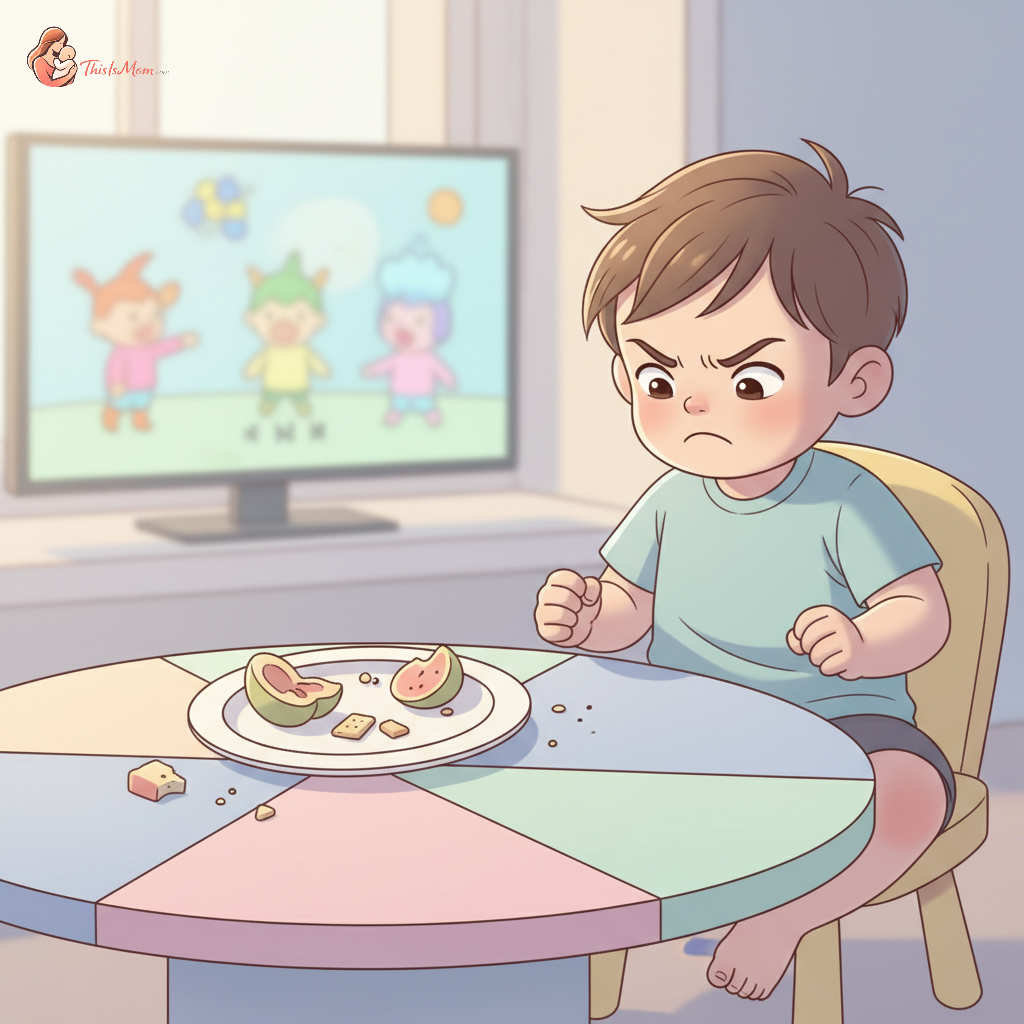
The Great Snack Time Showdown: When Pausing the TV Turns Your Toddler into a Tiny Tyrant
For many parents, the idea of pausing anything for a toddler to eat a snack feels like a monumental task, a disruption to sacred screen time. Yet, snack time isn't just about refueling; it's a mini-lesson in life’s often abrupt transitions. When your toddler throws a fit when the TV show is paused during snack time, it can feel like the end of the world. In hindsight, it's rarely about the show itself, but the sudden, unexpected shift.
Why Your Toddler Sees a Paused TV Show as the End of the World
Toddlers are just starting to understand the world, and unexpected changes can feel overwhelming. Their emotions are big, and they haven't yet learned how to manage them effectively.
Screens, especially, can be incredibly captivating. The bright colors, fast-paced action, and engaging characters create a potent draw. When that experience is suddenly yanked away, it's a significant loss for them in that moment.
This is compounded by their need for routine. Toddlers thrive on predictability. When snack time interrupts their favorite cartoon without warning, it’s a disruption to their perceived order of things. The change feels jarring, and the resulting tantrum is their way of protesting this unwelcome shift.
Before the Meltdown: Proactive Strategies for Smoother Transitions
If there's one key piece of advice for managing these moments, it's to focus on prevention. The energy spent trying to calm a full-blown meltdown is far more greater than the energy invested in setting things up for success.
The power of warnings and timers cannot be overstated. Give your toddler a heads-up before the show is paused. For example: "In five minutes, the show will pause for snack time. We'll finish the episode after you eat." Use a visual timer if that helps. This prepares their brain for the upcoming change. For ideas on what to offer during these snack times, consider balanced toddler snacks.
Setting clear screen time limits is crucial. Decide how long the TV will be on and when it will be paused. And then, stick to it. Consistency is your best friend here. This helps your toddler understand the predictable rhythm of their day.
Making snack time engaging can also be a game-changer. Instead of just handing over a plate while the TV blares, make snack time a positive experience. Talk about the food, encourage them to help prepare it, or sing a snack-time song. This shifts their focus from what they’re missing on screen to the enjoyable activity at hand. When you're on the go, having best on-the-go toddler snacks readily available can also prevent meltdowns.
In the Midst of the Storm: What to Do When the Tantrum Hits
When that inevitable moment occurs, your first instinct might be to panic or give in. But remember, you are the calm in their storm. Your reaction sets the tone for how they learn to handle these situations.
Discover your baby's phase
Take a deep breath. Your goal is to stay calm. Acknowledge their feelings without giving them everything they want. "I see you're feeling really angry that the show stopped. It's hard when something fun ends." This validates their emotions.
However, it’s important to hold the boundary regarding the pause. "The show is paused for snack, and we need to eat now." Once they've eaten, you can resume the show, or perhaps it's already finished. This is similar to managing toddler tantrums when the TV is off during a car ride – the core issue is the unexpected transition.
When appropriate, offering choices can help them feel a sense of control. "Would you like your apple slices or banana first?" or "Do you want to eat at the table or on the couch?" For some, a small distraction, like a favorite stuffed animal to hold, can also help shift their focus away from the immediate disappointment.
Teaching Emotional Regulation: Beyond the Tantrum
These moments are golden opportunities to teach emotional regulation. These meltdowns are not just about the TV; they are fundamental lessons in self-control.
Help your toddler name their feelings. "You look frustrated. Are you feeling frustrated?" Using simple words to label emotions helps them build their emotional vocabulary. Show empathy: "It's okay to feel sad when the show stops."
Practice coping skills together. When they’re calm, introduce simple techniques like taking a deep breath ("smell the flower, blow out the candle") or using a comfort item. These are skills they will use their entire lives.
Consistency and follow-through are paramount. If you say the show will be paused for snack, and then you don't pause it because of a tantrum, you’re teaching them that tantrums are an effective way to get their way. This is a tough lesson to unlearn later.
Long-Term Solutions: Rethinking Screen Time Habits
It’s not just about the pause button; it’s about the entire landscape of media consumption.
Evaluate your toddler's total screen time. Are there opportunities to reduce it overall? Research suggests that excessive screen time can contribute to behavioral issues and difficulty with self-regulation. Consider the content they are watching. Is it age-appropriate and engaging in a way that sparks curiosity rather than passive consumption?
Creating screen-free zones and activities throughout the day is a powerful strategy. Designate certain times or areas of the house as TV-free. This encourages other forms of play and interaction. Make sure there are plenty of engaging toys, books, and opportunities for creative play readily available.
And finally, model healthy media habits yourself. If you’re constantly on your phone or the TV is always on, your toddler is learning from your example. Put your own devices away during meals and family time. Show them that life offers so much more than a glowing screen. Managing toddler TV meltdowns starts with a holistic approach to screen time itself.