Toddler Only Eats White Foods? What to Do (US Parents)
Is your toddler only eating white foods like pasta & bread? Learn why this phase is common and gentle strategies from experts to broaden their palette.
Toddler Only Eats White Foods? What to Do (US Parents)
Is your toddler's plate looking a little… monochromatic? Think pasta, plain rice, bread, and maybe some yogurt, but anything with a hint of color is met with a firm "no." If you're wondering what to do when your toddler only eats white foods in the US, you're not alone. This common preference for a limited range of foods, often white or beige, is incredibly common during the toddler years.
Is This a Normal Phase? What Experts Say
First, take a deep breath. According to the American Academy of Pediatrics (AAP), picky eating is a normal developmental stage for many toddlers. They are asserting independence, and food is a prime area for this. While it might feel alarming to see your child subsist on what seems like a very limited diet, this "white foods" phase is often temporary.
The AAP notes that toddlers' appetites can fluctuate, and their desire for control can lead to food refusal. This is their way of exploring boundaries. The key is to understand the underlying reasons, which often have to do with sensory development.
The Sensory Landscape of Toddler Food Preferences
For young children, texture, smell, and appearance play a huge role in what they find appealing. Many white foods – like crackers, pasta, and rice – have a predictable, smooth, or neutral texture. They don't often have strong smells or visually "surprising" elements.
Colors in food, on the other hand, can sometimes signal unfamiliarity or even something unappealing to a toddler. A bright red strawberry or a vibrant green pea might feel "too much" for a child sensitive to sensory input. This is why a scenario where a toddler prefers white foods is so prevalent.
Distinguishing a Phase from a Concern
While picky eating is normal, it's important to differentiate between a temporary phase and a more significant feeding issue. Concerns about a toddler's white food diet can arise when this very limited intake impacts their growth or nutrient intake.
If your toddler is gaining weight appropriately, has good energy levels, and isn't showing signs of nutritional deficiency (like persistent fatigue or frequent illness), it's likely a phase. However, if you're seeing food refusal extend to most food groups, or if your child is losing weight, it's a good time to consult with a healthcare professional.
Gentle Strategies to Broaden Their Palette (Without a Fight)
The goal isn't to force your toddler to eat a rainbow overnight, but to gently and consistently expand their food world. The most effective approach, according to pediatric feeding research, is "Exposure, Not Pressure."
This means offering new foods alongside familiar favorites without demanding that they be eaten. Even if a new food is just placed on the plate, or if the toddler simply touches it, that's progress.
Small, Consistent Steps: Introducing New Colors
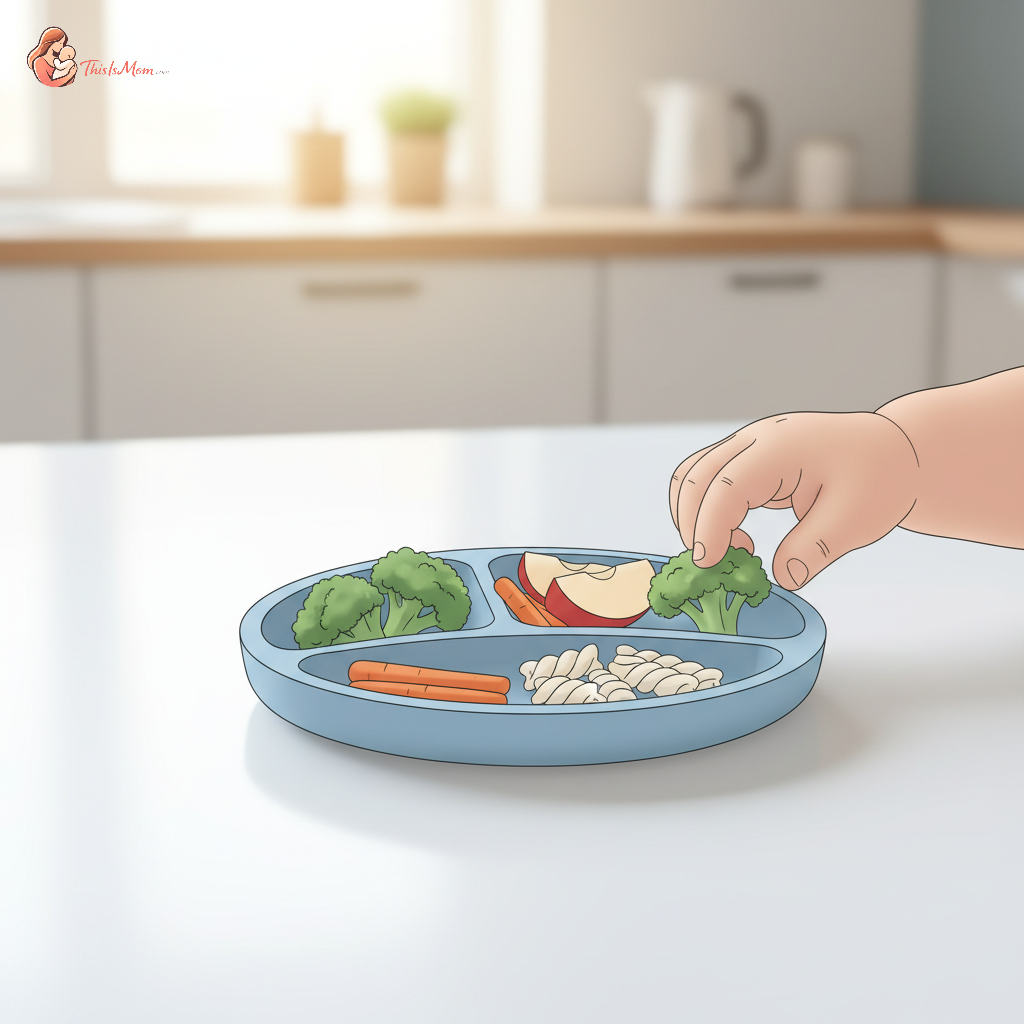
Start with very small, manageable steps. If your toddler eats plain pasta, try offering a single piece of broccoli on the side. Don't expect them to eat it. The next time, maybe two pieces. The idea is gradual familiarization.
Another tactic is to introduce foods that are a slightly different shade. If they like white rice, try a tiny bit of brown rice. If they eat plain yogurt, perhaps a vanilla yogurt with a few specks of vanilla bean.
Pairing New Foods with Familiar Favorites
Make new foods less intimidating by connecting them to what they already love. This could mean offering a slice of bell pepper next to their favorite chicken nuggets, or a small portion of cooked carrots alongside their usual pasta.
The AAP suggests that repeated exposure to a new food, even without tasting, can increase acceptance over time. It might take 10-15 exposures for a toddler to even try a new food.
Making Food Fun: Sensory Play & Engagement
When meals feel like a battleground, shifting the focus to positive food experiences outside of mealtimes can be incredibly beneficial. This is where sensory play for a picky eating toddler can shine.
Involving Toddlers in Meal Prep
Allowing your toddler to participate in simple meal preparation can foster a sense of ownership and curiosity about food. Let them wash vegetables, stir ingredients (with supervision, of course), or tear lettuce.
Even simple tasks like choosing between two types of fruit at the grocery store can be empowering. When they have a hand in creating the food, they might be more inclined to try it.
Edible Sensory Bins and Food Art
Consider creating "edible sensory bins" during playtime. Fill a tray with cooked pasta, small pieces of fruit, or even different types of safe, raw vegetables. Let them explore the textures and colors without the pressure to eat.
Discover your baby's phase
Food art can also be a fun way to engage. Use cookie cutters on slices of cheese or fruit. Arrange colorful vegetables into simple shapes or faces on their plate. The goal is to make food a source of play and discovery.
Playing with Food Outside of Mealtimes
Sometimes, simply allowing exploration without the expectation of consumption can help. Let your toddler touch, smell, and poke foods during a dedicated playtime. This desensitizes them to new sights and textures in a low-stakes environment.
Remember, the objective is to reduce anxiety around food, not to force consumption. The AAP emphasizes a positive feeding environment.
Creative Ways to 'Sneak' in Nutrition (Subtly, Not Deceptively)
While direct exposure is key, there are also ways to boost nutrition without making a big deal about it. The trick is to integrate nutrient-rich ingredients into the foods your toddler already accepts.
Smoothie Innovations with Hidden Veggies
Smoothies are a fantastic vehicle for adding nutrients. Start with familiar fruits like bananas or berries, then incorporate mild-tasting vegetables. Cooked and cooled zucchini, cauliflower, or spinach can be blended in without drastically altering the flavor or color, especially if you use darker fruits to mask the green.
The CDC recommends offering a variety of fruits and vegetables to ensure adequate nutrient intake. Smoothies can be a helpful tool for this.
Colorful Purees in Sauces and Baked Goods
Pureed vegetables can be incorporated into sauces. Pureed butternut squash or carrots can add color and nutrients to mac and cheese sauce. Tomato sauce can be boosted with pureed carrots or zucchini.
Baked goods also offer opportunities. Adding pureed sweet potato or pumpkin to muffins or pancakes can increase their nutritional value and introduce subtle color.
The Power of Dips and Presentation
Dips can be a game-changer for encouraging toddlers to eat colored foods. Offer a familiar white food, like chicken strips or apple slices, with a colorful dip like hummus, guacamole, or a yogurt-based dip with pureed spinach. This introduces color in a controlled way.
Even presenting food in fun shapes or with colorful plates and utensils can make a difference. Sometimes, a simple change in presentation can spark interest.
When to Seek Professional Help: Recognizing Red Flags
While most picky eating resolves over time, it's important to know when to seek professional guidance. Your pediatrician is the best resource for assessing your child's overall health and development.
Signs of Genuine Nutritional Deficiency
If your child is consistently eating very few foods, is not gaining weight appropriately, is often fatigued, or experiences frequent illness, these could be signs that their limited diet is impacting their health.
The Mayo Clinic suggests observing your child's growth charts and energy levels. If you have concerns about potential signs of genuine nutritional deficiency, it's time to consult a doctor.
When to Talk to Your Pediatrician (and What to Ask)
Don't hesitate to bring up your concerns at your child's regular well-child visits. You can ask:
- Is my child's weight and growth on track for their age?
- Are there any vitamin or mineral deficiencies we should be concerned about given their current diet?
- What are the key nutrients my child needs at this stage, and how can I ensure they're getting them?
Your pediatrician can offer personalized advice and determine if further evaluation is needed.
Understanding Feeding Therapy and Specialists
If your pediatrician identifies a more significant feeding issue, they may recommend a feeding therapist or a registered dietitian. These specialists can work with you and your child to address underlying sensory issues, oral motor challenges, or behavioral patterns that contribute to extreme picky eating.
Feeding therapy often involves structured approaches to food exploration and desensitization, helping children become more comfortable with a wider variety of foods.