10-Month-Old Won't Eat Purees? What to Feed Them Next
Is your 10-month-old refusing purees? Discover why this is normal, signs they're ready for finger foods, and safe, nutritious options to transition them to solids.
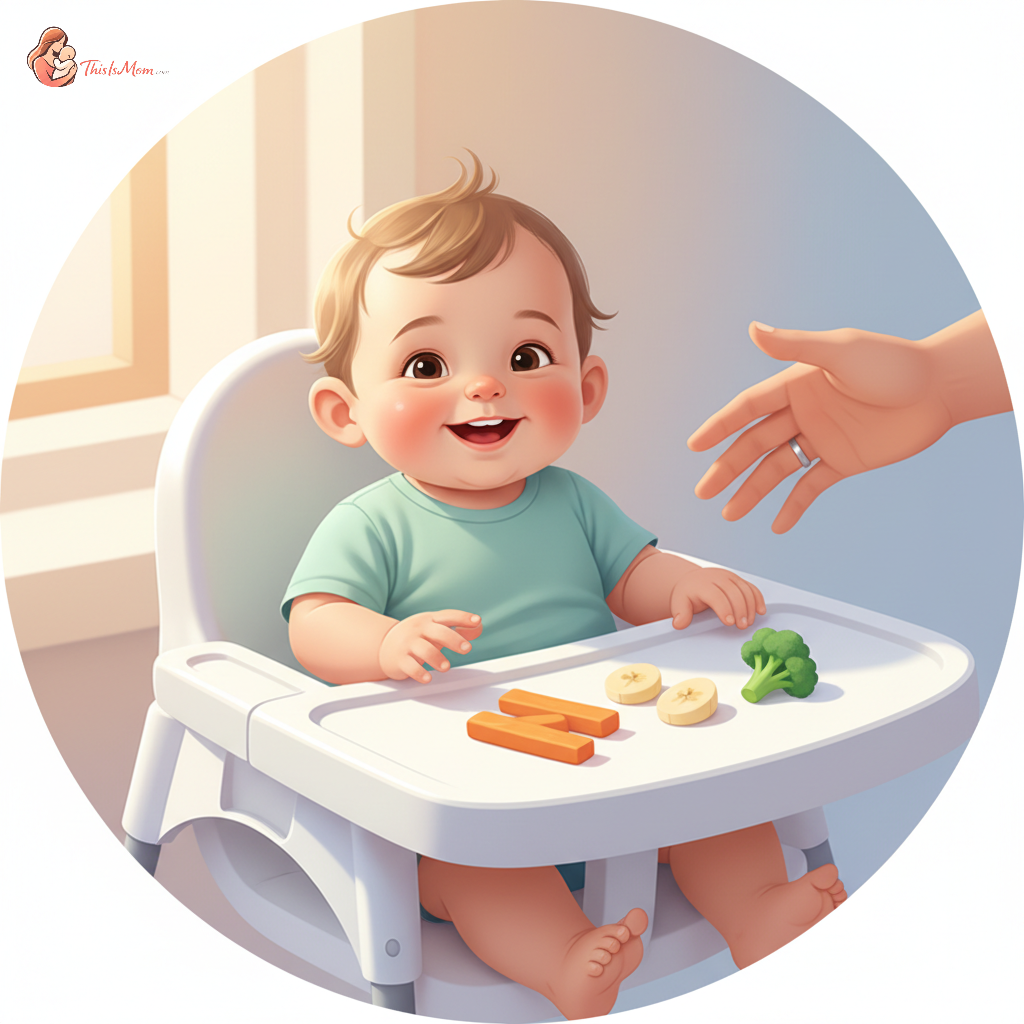
My 10-Month-Old Won't Eat Purees: What's Next for Solids?
Your 10-month-old used to happily gobble up every spoonful of pureed carrots and sweet potatoes. Now, they're turning their head, pushing the spoon away, or even making gagging noises. If you're wondering what to do when your 10-month-old won't eat purees anymore, you're not alone. This is a very common developmental stage.
This shift in eating behavior is less about rejecting your cooking and more about a significant developmental leap. Babies at this age are naturally exploring their independence and their world, and food is a big part of that. Guidelines from organizations like the American Academy of Pediatrics (AAP) highlight that feeding is a dynamic process, not a static one.
Understanding the Puree Strike: It's Normal at 10 Months
What feels like a feeding crisis to you is often a sign of progress for your baby. Around 10 months, many babies start to lose interest in smooth purees. This aligns perfectly with their motor skill development and growing curiosity.
Research suggests that babies naturally move towards more textured foods as their oral motor skills mature. They begin to develop the ability to manage thicker consistencies and eventually, solid pieces. This transition is a crucial step in their journey towards eating family meals.
Signs Your Baby is Ready for More Texture
Beyond simply refusing purees, several other indicators suggest your baby is ready for a more varied diet. These are developmental milestones that signal their readiness for new challenges.
What to Look For
- Pincer Grasp: Can your baby pick up small objects, like a piece of soft cereal, between their thumb and forefinger? This improved dexterity is essential for self-feeding. You can further develop these fine motor skills for buttoning.
- Chewing Motions: Even without teeth, babies can begin to move their jaw up and down, simulating a chewing action. You might see them mashing food against their gums.
- Interest in Family Food: Does your baby watch intently when you eat? Do they reach for your plate? This curiosity is a powerful motivator for exploring new foods.
This doesn't mean your baby is rejecting your efforts; rather, they are embracing a new phase of self-discovery. It's a testament to their growing independence and physical capabilities.
Making the Switch: Safe & Exciting Finger Foods
Transitioning from purees to finger foods can feel daunting, but with the right approach, it can be a fun and enriching experience for both of you. The key is to offer foods that are safe, easy for your baby to handle, and nutritious.
The Best First Finger Foods
Focus on soft, easily mashable foods cut into appropriately sized pieces.
- Steamed Vegetables: Broccoli florets, carrot sticks, or sweet potato wedges that are soft enough to be easily squished.
- Fruits: Ripe banana slices, avocado chunks, or soft pear pieces.
- Cooked Grains: Small pieces of well-cooked pasta or oatmeal cooked to a thicker consistency. Consider a best formula pitcher for clump-free Dr. Brown's formula to prepare supplementary foods smoothly.
- Soft Meats: Shredded chicken or small pieces of well-cooked ground beef.
Tips for Introducing New Textures and Flavors
Offer small amounts of new foods alongside familiar ones. Allow your baby to explore the texture, smell, and taste. Don't be discouraged by mess; it's part of the learning process. Remember, managing parental stress leads to child screen time and feeding can be stressful, so take breaks.
Choking Hazards to Avoid
Safety is paramount. Always supervise your baby during mealtimes. Avoid small, hard, round, or sticky foods. If you are concerned about allergies, speak to your pediatrician. For general allergy management tips, especially for back to school allergy management, always consult a doctor.
- Round Foods: Whole grapes, cherry tomatoes, hot dogs, and nuts are significant choking hazards. Cut them into quarters lengthwise or into small, manageable pieces.
- Hard Foods: Raw carrots, hard apple slices, and popcorn can be difficult for babies to chew.
- Sticky Foods: Large globs of peanut butter or thick cheese can also pose a risk.
Prepare foods by steaming, roasting, or boiling until soft. Cut everything into small, irregular pieces or strips that your baby can grasp.
Navigating the Mess: Baby-Led Weaning Principles
Discover your baby's phase
Even if you haven't strictly followed a baby-led weaning (BLW) approach from the start, you can incorporate its principles now. BLW emphasizes letting babies self-feed from the beginning, trusting their ability to explore and learn.
Embracing Exploration and Self-Feeding
Allow your baby to touch, smell, and manipulate their food. This sensory exploration is crucial for developing a positive relationship with food. Provide them with utensils they can hold, even if they primarily use their hands.
Offering Variety and Nutrient-Dense Options
Continue to offer a wide range of healthy foods. Focus on nutrient-dense options that provide essential vitamins and minerals. If you're concerned about formula availability, learn about managing formula shortage anxiety during pregnancy.
How Much Should They Be Eating?
It's common for babies exploring finger foods to eat less than they did with purees, especially in the initial stages. Evidence shows that by age one, breastmilk or formula still provides a significant portion of their caloric intake. Your baby's interest and engagement are more important indicators than the exact quantity consumed.
Ensuring Good Nutrition When Purees Are Out
As your baby transitions to more textured foods, it's essential to ensure they are still getting adequate nutrition. The focus shifts from the volume of purees to the quality and nutrient density of the foods offered.
Focus on Iron-Rich Foods
Iron is crucial for brain development in infants and toddlers.
- Meats: Well-cooked ground beef, shredded chicken, or lamb.
- Legumes: Lentils, mashed beans.
- Fortified Cereals: Iron-fortified infant cereals mixed with breastmilk or formula.
- Tofu: Soft, mashed tofu.
The Role of Breastmilk or Formula
Breastmilk or formula remains a primary source of nutrition for babies up to one year of age. Continue offering it as recommended by your pediatrician. Solid foods are meant to complement, not replace, these essential liquids.
Making Every Bite Count
When babies are eating smaller amounts or are experimenting with new textures, prioritize nutrient-dense foods. This means offering foods that pack a lot of vitamins, minerals, and healthy fats into small portions.
When to Talk to Your Pediatrician About Feeding Concerns
While a sudden aversion to purees is often a normal developmental phase, there are specific situations where seeking professional guidance is important. Trust your instincts as a parent; it's always okay to reach out to your pediatrician with questions. For example, if you are experiencing new parent fatigue driving, it's crucial to get enough rest before driving.
Warning Signs Beyond Typical Picky Eating
If your baby is consistently refusing all solids, seems disinterested in eating altogether, or shows signs of distress during mealtimes, it’s worth discussing with your doctor. You might also want to ask about postpartum support questions for OB visits to ensure you have adequate help.
Concerns About Weight Gain or Allergic Reactions
If you're worried about your baby's weight gain or suspect an allergic reaction (such as hives, vomiting, or diarrhea after eating a specific food), contact your pediatrician immediately. Remember to also ask about free at-home nurse visits for new parents for additional support.