Toddler Refuses to Stand After Falling? 7 Steps to Help
Is your toddler refusing to stand or walk after falling a lot? Learn to differentiate fear from injury, when to seek medical help, and gentle ways to rebuild their confidence.
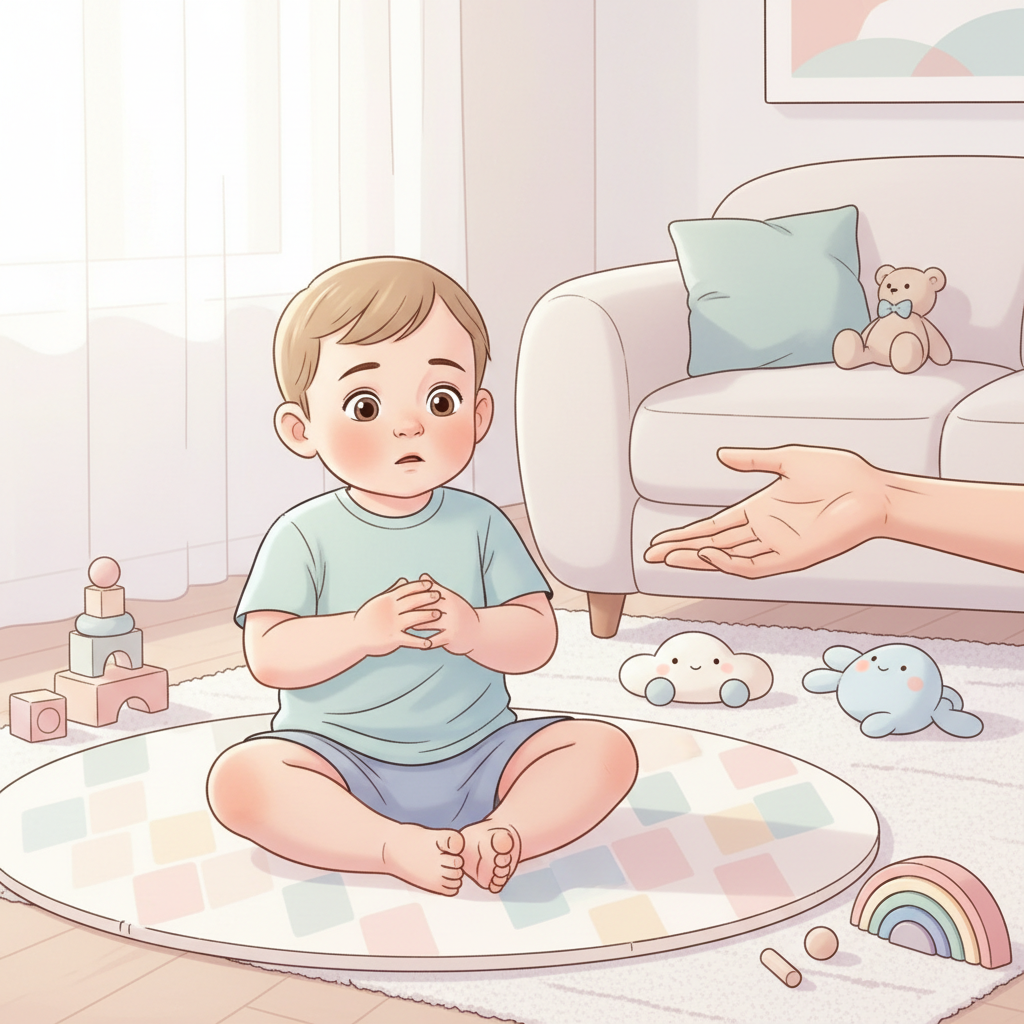
Toddler Refuses to Stand After Falling? Rebuilding Confidence
Your toddler took a tumble, and now they seem hesitant to stand or walk. Should you be worried? It's understandable to feel concerned when your little one experiences a fall, especially if they’ve had a few recent tumbles. Many parents face this transition, and understanding the nuances can help guide your child back to confidence and movement.
The Toddler Tumbles: Learning with a Few Bumps
Toddlers are in a constant state of exploration, and this often involves a lot of movement experimentation. Walking, running, and climbing are all skills that require practice, which for toddlers frequently includes falling. This is a normal part of their developmental journey.
The Centers for Disease Control and Prevention (CDC) emphasizes that between 12 and 24 months, children are typically mastering gross motor skills like walking independently. This learning process is inherently unsteady. A few falls are to be expected as they develop balance, coordination, and spatial awareness.
However, sometimes a fall can shift from a simple learning experience to something that instills fear. This can happen after a particularly hard bump or a series of smaller tumbles that collectively shake their confidence.
When a Fall Becomes More Than Just a Bump
A single, significant fall can be startling for both a child and their caregiver. If your toddler has recently experienced a fall that seemed hard or produced a lot of distress, they might develop a temporary fear of standing or walking. This is a natural "fight or flight" response kicking in: their body remembers the unpleasant sensation and might be signaling a need for caution.
It’s a sign that they are processing the experience, and their physical confidence has been impacted. The key is to differentiate between this fear-based hesitation and a potential toddler's injury.
Signs to Watch For: True Injury vs. Hesitation
When your toddler suddenly won't walk after a fall, the first step is to assess for signs of injury. The guidelines from the American Academy of Pediatrics (AAP) suggest that most falls in toddlers do not result in serious injury, but it’s crucial to know what to look for.
If your child is experiencing any of the following, seek medical attention:
- Inconsolable crying: If your toddler is crying intensely and cannot be soothed.
- Lethargy or unusual sleepiness: A significant change in their usual energy levels or responsiveness.
- Visible pain: They cry out when you try to move a specific limb or touch a particular area.
- Limping or refusing to bear weight: While this can be fear, it can also indicate physical pain or injury.
- Swelling or bruising that worsens: If you notice significant swelling or bruising that seems to be increasing.
- Vomiting: Especially if it occurs more than once after the fall.
Is It Just a Bruise, or Something More Serious?
Often, it’s clear when a child is simply shaken up versus genuinely hurt. A developing bruise might be tender, but your toddler will generally still be able to move that part of their body, even if cautiously. They might whimper a bit when trying to stand but will eventually continue their play.
If, however, your toddler is actively avoiding putting weight on a leg, holding a limb in an unusual position, or seems unable to move a part of their body without significant distress, this warrants a closer look by a healthcare professional.
What to Do When Your Toddler Fell and Hit Their Head
Falls that involve impact to the head or back require particular attention. While the AAP notes that most minor head bumps don't result in serious issues, certain symptoms should prompt a call to your pediatrician or even an emergency room visit.
According to the CDC, signs of a more serious head injury can include:
- Loss of consciousness, even briefly.
- Confusion or disorientation.
- Vomiting multiple times.
- Seizures.
- Difficulty waking up.
- Clear fluid or blood draining from the ears or nose.
- Unequal pupil size.
If your toddler experienced a fall and has any of these symptoms, seek immediate medical evaluation.
Rebuilding Confidence: Gentle Steps Back to Movement
If your pediatrician confirms that your toddler isn't seriously injured, the focus shifts to rebuilding their confidence. This is a delicate process that requires patience and a positive approach to encourage them to stand and walk again.
Discover your baby's phase
Creating a Safe and Encouraging Environment
Make your home a safe space for your toddler to explore movement. Soft surfaces like carpets or playmats can cushion inevitable tumbles. If you're in an area where they often fall, consider baby-proofing even more diligently, perhaps by using soft floor mats. Learn more about managing toddler meltdowns when parents use phones to ensure a calm environment.
Keep toys at reachable distances that encourage them to move, cruise, or take a few steps. The goal is to make movement appealing and safe, not to force it.
Playful Ways to Practice Balance and Movement
Introduce activities that gently encourage standing and walking without pressure:
- Cruising practice: Place furniture at just the right height that they can hold onto and walk along. Cheer them on as they move from one sturdy object to another.
- Short-distance challenges: Sit a few feet away and encourage them to walk or crawl to you for a hug. Keep the distance very short initially.
- Interactive toys: Push toys can be great for older toddlers who are a bit more stable. Ensure the toy is sturdy and won't tip over easily.
- Barefoot is best: When indoors and safe, letting your toddler go barefoot can improve their grip and proprioception (their sense of where their body is in space).
The Power of Praise and Positive Reinforcement
When your toddler does attempt to stand, walk, or cruise, offer enthusiastic but gentle praise. Focus on their effort, not just the outcome. “Wow, you stood up all by yourself!” or “Great job walking to Mommy!” can be very encouraging.
Avoid overreacting to minor stumbles. A quick, reassuring pat and a smile can help them bounce back without feeling overly scrutinized. Positive reinforcement is a powerful motivator for young children.
Avoiding Pressure: What NOT to Do When Your Toddler is Scared
It’s tempting to urge your child to just get up and move, especially when you see them hesitant. However, this can often backfire.
Why Pushing Them Can Be Counterproductive
When a toddler is scared to stand after falling, constant pressure can increase their anxiety. They might perceive your urgency as a reflection of your own worry, or as a sign that they are doing something wrong by being hesitant. This can create a cycle of fear and refusal.
Forcing them or carrying them around excessively can also remove opportunities for them to self-correct and practice. Infants and toddlers learn through their own exploration and experimentation.
Understanding Their Emotional Cues
Pay close attention to your toddler’s body language and vocalizations. If they stiffen up when you encourage them to stand or start to cry, it's a signal to back off. Respect their current emotional state. It’s okay for them to have moments of hesitation; your role is to support them through it.
When to Call the Pediatrician: Getting Professional Guidance
While most cases of a toddler refusing to stand after a fall resolve with time and gentle encouragement, there are instances when professional advice is necessary. Trust your parental instincts; if something feels off, it’s always best to check.
Persistent Refusal to Stand or Walk
If your toddler continues to refuse to stand or walk for an extended period – say, more than a week – and shows no signs of improvement, it might be worth a call to your pediatrician. Also, if they are consistently limping or avoiding weight-bearing on a limb without a clear reason for fear, a medical check-up is a good idea.
Concerns About Physical Development or Injury Recovery
Your pediatrician can assess for any underlying physical issues that might be contributing to their hesitation. This could involve checking for minor sprains, muscle strains, or other developmental concerns that might not be obvious to a parent. They can also offer tailored advice for your child's specific situation and reassure you if everything is progressing as expected.