Toddler Refusing Loved Foods? 5 Reasons & Smart Solutions
Is your toddler suddenly refusing previously loved foods? Discover the top reasons for this common developmental change and practical strategies to promote healthy eating habits.
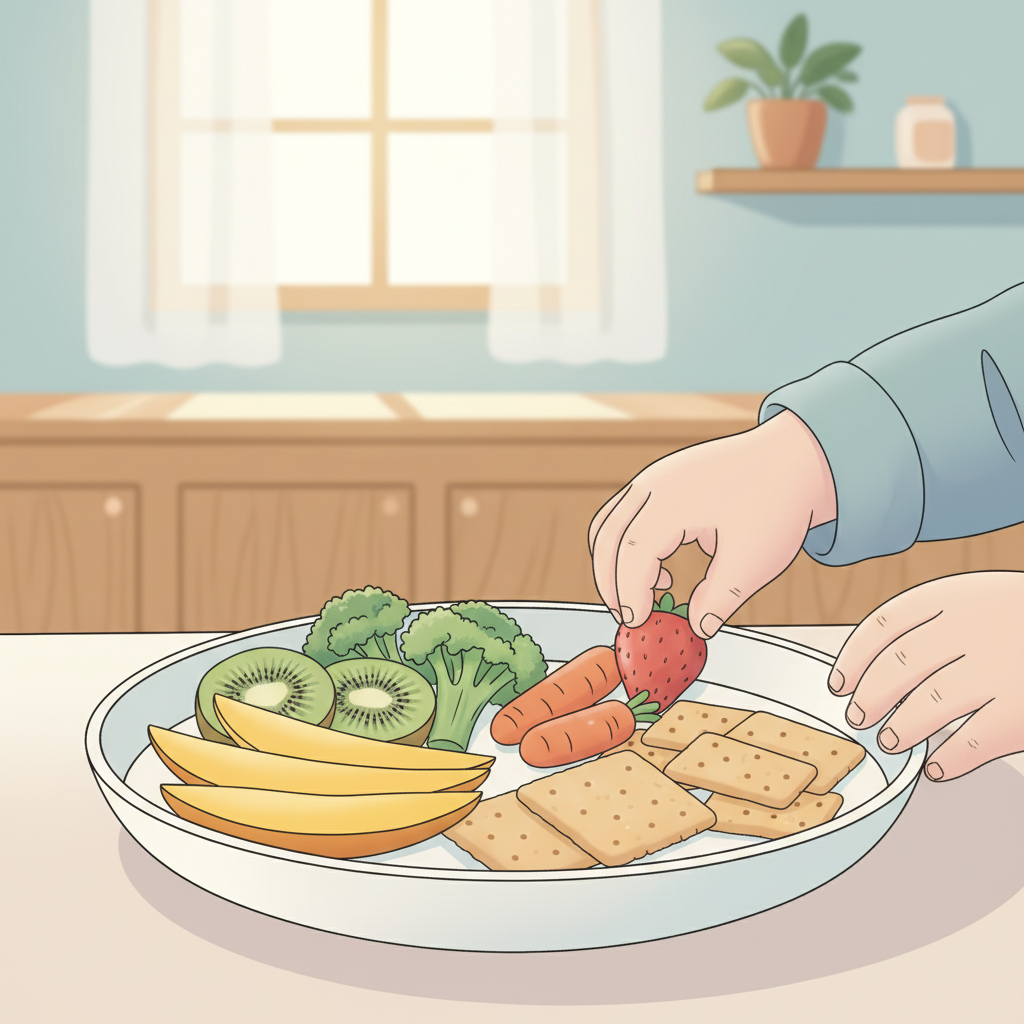
Toddler Refusing Previously Loved Foods? Here's Why and What to Do
Your toddler was happily eating steamed broccoli and blueberries yesterday, but today, those same foods are met with a firm "No!" This sudden change in eating habits can be baffling and frustrating for parents. If you're wondering why your toddler is refusing previously loved foods, you're not alone. This is a very common developmental stage, and understanding the underlying reasons can help you navigate this phase with more peace.
The Developmental Shifts Behind Your Toddler's Changing Tastes
Toddlerhood is a period of rapid growth and developing independence. These changes often manifest in their eating behaviors, leading to that perplexing toddler refusing previously loved foods sudden change. It's rarely about the food itself; it's usually about your toddler's evolving world and their place in it.
A Quest for Independence and a Fear of the New
One of the most significant drivers of food refusal in toddlers is their burgeoning sense of autonomy. As they grow, toddlers want to exert control over their environment, and what they put into their mouths is a prime area for asserting this independence. This can look like refusing foods they once enjoyed simply because they can.
Alongside this drive for independence, a phenomenon known as "neophobia" (fear of new foods) often emerges. While it might seem contradictory when they're refusing old favorites, neophobia is a natural evolutionary response to explore new things cautiously. What might seem "new" to them is a food they haven't encountered in a while, or perhaps they're tasting it with a fresh perspective now that their sensory processing is more developed.
Sensory Exploration and Shifting Preferences
A toddler's sensory world is constantly expanding and changing. Their preferences for textures, smells, and even the visual presentation of food can shift significantly in a short period. A food that was once appealing for its smooth texture might suddenly be rejected because they now prefer crunchier foods, or vice versa.
The way food is prepared can also play a role. A mushy texture might be off-putting one week, while the next, it's suddenly acceptable. This phase is part of their exploration and refinement of sensory preferences.
Appetite Fluctuations Tied to Growth
Toddler appetites are notoriously unpredictable. They can go from eating like a champ one day to barely touching their plate the next. This is often tied to their growth spurts, which don't happen at a steady rate like they did in infancy. During periods of rapid growth, their appetite may increase, and during slower growth phases, it can decrease.
The guidelines from the American Academy of Pediatrics (AAP) suggest that parents should trust their child's hunger and fullness cues. If a toddler isn't eating much at one meal, they will likely compensate at the next, provided they have continuous access to healthy options.
Identifying the Difference: Normal Phases vs. Red Flags
While picky eating in toddlers can be a normal part of development, there are instances when a toddler's eating habits warrant a closer look. Differentiating between a typical phase and a potential concern is crucial for ensuring your child's well-being.
When Growth and Weight Are Primary Concerns
The most significant red flag is a lack of weight gain or actual weight loss over time. Pediatricians track a child's growth trajectory on growth charts. If your child is consistently falling below expected growth patterns, it's important to consult them.
The Centers for Disease Control and Prevention (CDC) provides growth charts that are essential tools for monitoring a child's development. Any concerns about your child's weight gain should always be discussed with your pediatrician.
Persistent Gagging, Choking, or Discomfort
While many toddlers go through a phase of being wary of certain textures, persistent gagging or choking during meals could indicate a sensory processing issue or a physical difficulty with swallowing. If mealtimes are consistently stressful due to these reactions, it’s worth bringing up with your pediatrician.
A Very Limited Repertoire of Foods
Most toddlers will have preferred foods, but if your child consistently eats fewer than 10-15 foods, or if their diet is extremely restricted and lacks variety, it might be something to explore further. This could limit their intake of essential nutrients. This is particularly relevant if your toddler only eats carbs and dairy.
Cultivating a Peaceful Mealtime Environment
Food fights and mealtime battles can be exhausting. The key to navigating toddler food refusal solutions is to shift the focus from forcing them to eat to creating a positive and low-pressure environment.
The Unifying Power of Family Meals
Discover your baby's phase
Research consistently shows that regular family meals are associated with better health outcomes for children, including improved nutritional intake and social-emotional development. Even if your toddler isn't eating much, simply being present at the table with the family during meals has benefits. It allows them to observe what others are eating and normalize the experience of sharing food.
Empowering Toddlers Through Food Involvement
When toddlers have a hand in preparing their food, they are often more willing to try it. This doesn't require elaborate cooking. Simple tasks like washing vegetables, stirring ingredients (with supervision), or choosing which herb to add can give them a sense of ownership and pride.
This involvement can be a game-changer in why toddlers change eating habits. It taps into their desire for control in a constructive way.
Making Food Fun Without the Pressure
The goal is to make food interesting and appealing, not to force consumption. You can present food in fun shapes using cookie cutters, create a "snack board" with various colorful options, or give meals playful names. The crucial element is to remove pressure. Offering food without expecting them to eat it is a key strategy.
Gentle Tactics for Reintroducing Foods
Reintroducing foods, whether they are previously loved ones or entirely new ones, requires patience and a hands-off approach. The developmental eating changes toddlers experience mean that persistence and variety are more effective than force.
Repeated Exposure is Key
The AAP notes that it can take 10-15 exposures for a child to accept a new food. This means offering a food multiple times, in different ways, without any pressure to eat it. Don't hide it, but simply have it available on their plate alongside other foods they are likely to eat. If they refused broccoli last week, try offering it again this week, perhaps steamed, roasted, or even in a tiny amount mixed into a sauce. The repetition itself can reduce neophobia over time.
Offering Choices and Control
Toddlers thrive when they have some control, so offering choices can be very effective. Instead of asking, "Do you want broccoli?", try, "Would you like broccoli or green beans tonight?" This gives them the agency to choose between two acceptable options. Similarly, you could offer a small portion of a previously loved food alongside a new one, allowing them to decide what to try.
Pairing New with Familiar Foods
One tried-and-true strategy is to pair a new or less-preferred food with something your toddler enjoys. For example, serve a small portion of a new vegetable alongside their favorite pasta or chicken. This can make the new food seem less intimidating and more approachable.
The idea is to make the overall plate appealing and allow them to explore at their own pace.
The Long View: Patience and Perspective
Navigating toddler eating phases can feel like a marathon, not a sprint. Understanding that toddler eating habits evolve over time is crucial for maintaining parental sanity and fostering a healthy relationship with food for your child.
Toddler Eating Habits Are Dynamic
What your toddler eats today will likely be different from what they eat next month or next year. Their tastes, needs, and preferences are constantly changing. Embracing this fluidity and focusing on the bigger picture rather than a single meal can alleviate a lot of stress.
Prioritizing Overall Nutrition
It’s easy to get caught up in the specifics of what your toddler is or isn't eating at a particular moment. However, research suggests that focusing on a child's nutritional intake over the course of a week, rather than day by day or meal by meal, is a more accurate measure of their overall health. If they eat well most of the time, a few less-than-stellar eating days are usually not a cause for alarm.
Knowing When to Seek Professional Guidance
While most instances of toddler refusing previously loved foods are developmental, there are times when professional input is beneficial. If you are concerned about your child's growth, nutrient intake, or if mealtimes are consistently a source of significant stress and conflict, don’t hesitate to reach out.
Your pediatrician can assess your child's growth and rule out any underlying medical issues. They might also refer you to a registered dietitian or a feeding specialist who can offer tailored strategies for addressing picky eating or specific feeding challenges.