Toddler Resistant to Potty Training After New Baby? 7 Tips!
Is your toddler resistant to potty training after a new baby? Learn why regressions happen & get gentle strategies for re-engagement and support during this big transition.
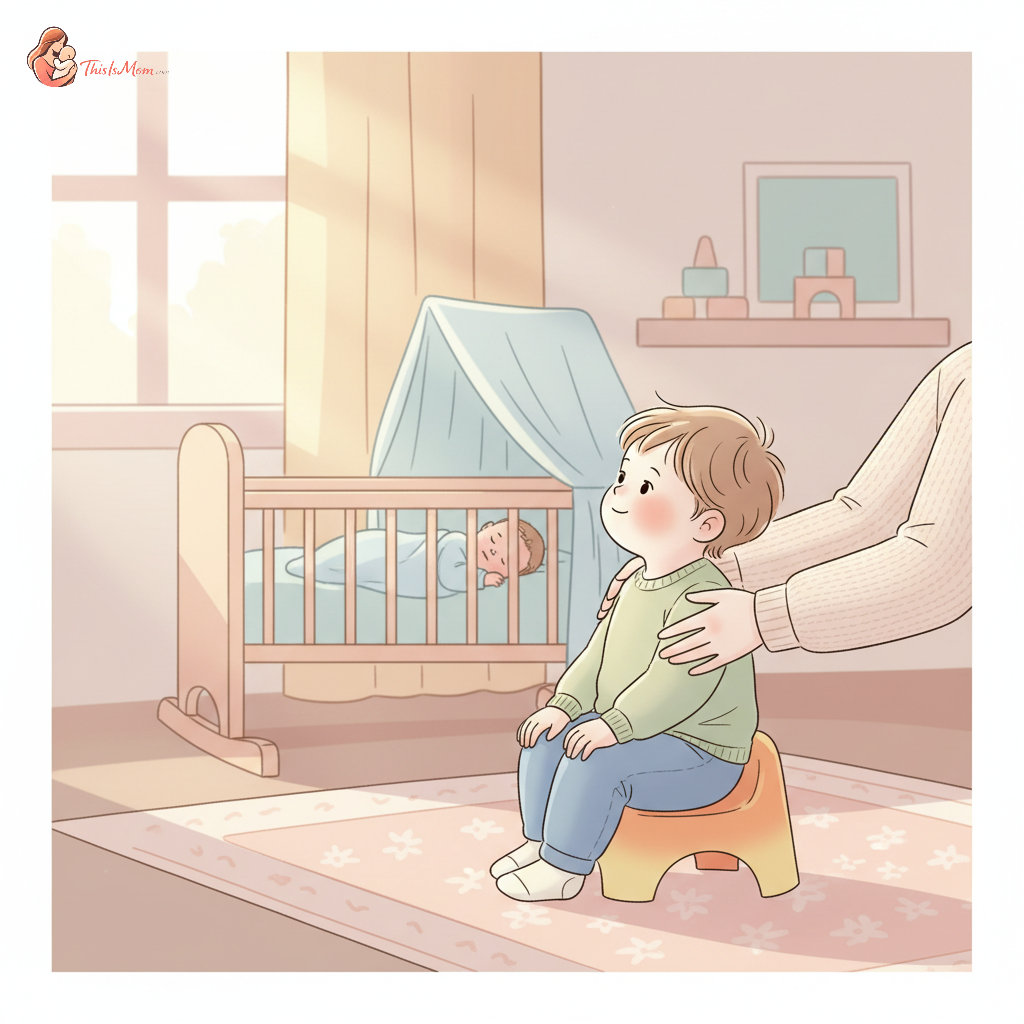
Toddler Resistant to Potty Training After New Baby? Help Is Here!
When my firstborn arrived, I envisioned potty training as a straightforward, exciting milestone. By my fourth child, I've learned that life, and parenting, rarely stick to the script. When my youngest was about eighteen months, I started subtly introducing the potty. By the time his baby sister arrived, he was mostly consistently using it on his own. Then, bam. Accidents. Everywhere. It felt like a giant step backward, and the phrase "toddler resistant to potty training after new baby arrives" was living rent-free in my head.
Looking back, this common scenario is less about the potty and more about big feelings.
It's Not About the Potty, It's About the World Tilting
The arrival of a new baby is a seismic shift in a toddler's world. Suddenly, their status as the sole focus of attention is gone. This can trigger a wide range of emotions they don't yet have the words to express.
The Emotional Impact
Think about it from their perspective. For years, they were the center of gravity. Now, there's this tiny, loud, demanding creature who gets constant attention, cuddles, and fuss. It's often confusing and even a little scary for them. They might feel displaced, jealous, or insecure about their place in the family.
Potty Training Regression: A Sign of Sibling Jealousy
Sibling jealousy is a powerful force, and it can manifest in many ways. A potty training regression is a very common one. Your toddler might suddenly start acting like a much younger child, clinging to you, using baby talk, or having accidents after being reliably dry. It's not malicious; it's a way of saying, "I need you. I need your attention. Remember me?"
Regression or a Cry for Attention?
The truth is that what looks like regression might just be a desperate plea for connection. If you've been engrossed in newborn care, your toddler might unconsciously re-enact earlier stages of development to draw you back to them. It's their way of communicating their needs when they can't articulate them.
Should You Potty Train Before or After the New Baby?
This is a question that haunts many parents. The "ideal" timing often gets thrown out the window by the reality of a growing family.
Weighing the Timing
Ideally, starting potty training when things are stable is less stressful. However, "ideal" is a luxury many of us don't have. If your toddler is showing consistent readiness signs and you have some time before the baby arrives, it can be a good push. But if your toddler isn't quite there, or if the arrival is imminent, pushing it might add unnecessary pressure. A toddler refusing potty after a new sibling is often a sign you might have pushed too soon.
In the Thick of It When Baby Arrives
If you were already knee-deep in potty training when your new baby made their grand entrance, here's my advice: grace. Don't stress about perfection. If accidents are happening, revert to a more comfortable stage temporarily. Fewer power struggles mean more peace for everyone. The goal is to navigate this transition, not conquer the potty with military precision.
Gentle Strategies to Re-Engage a Reluctant Toddler
When your toddler is showing resistance, fighting the battle isn't the answer. Shifting your focus can make all the difference.
Prioritize Connection Over Compliance
This is huge. Before you worry about pee on the rug, worry about your child's emotional well-being. Spend dedicated, one-on-one time with your older child, even if it's just 10-15 minutes of focused play while the baby naps or the other parent holds them. Let them choose the activity. This "special time" can reaffirm their importance and ease their anxieties about separation anxiety.
Discover your baby's phase
Making the Potty a Positive Zone
Take the pressure off. If your toddler is resisting, back away from urging them to sit on the potty. Instead, make the bathroom a fun, neutral space. Read books in there, play with a special potty toy, or simply let them sit on the closed lid if they want. Low-stakes exposure can be more effective than constant reminders.
Involving Your Toddler in Baby Care
This is a fantastic way to make them feel important and included. Let them be your "big helper." They can "help" hand you diapers, fetch a burp cloth, or sing a song to the baby. Every time they do, praise their "big kid" role. This positive reinforcement helps them see themselves as capable and mature, which can indirectly boost their confidence in other areas, like potty training.
Navigating Potty Training Regression with Empathy and Patience
This phase will pass, but it requires a steady hand and a deep breath.
How Long Does Regression Last?
The honest answer? It varies. For some, it's a few weeks. For others, it might be a couple of months, especially if the adjustment to the new baby is particularly challenging. The key is to remember that this potty training regression after new baby is often temporary. It's a sign your toddler needs more support, not a permanent setback.
When to Temporarily Pause
If you're constantly battling, if accidents are overwhelming, or if your child is becoming distressed about it, it's perfectly okay to take a break. Revert to pull-ups or diapers for a while. Relieve the pressure for everyone. You can always revisit potty training in a few weeks or months when the initial shock of the new baby has subsided and your family has found a new rhythm. There is no shame in this.
Dealing with Accidents Without Shame
This is crucial. When an accident happens, especially if it's frequent, try to react with calm. A simple, "Oops, looks like we had an accident. Let's get cleaned up," is often enough. Avoid any shaming language or prolonged discussions. They're already dealing with big emotions; adding guilt won't help. Focus on the clean-up and moving on.
Tiny Victories: Celebrating Progress (Even the Smallest Steps)
In the midst of a regression, it's easy to focus on what's not happening. Actively look for the wins, no matter how small.
Focusing on Effort, Not Just Outcomes
Did your toddler sit on the potty for five seconds? Celebrate it. Did they tell you they needed to go, even if they just had an accident? That's a huge step in communication! Acknowledge the effort they are making. This positive reinforcement is far more effective than any sticker chart. This can also be seen in how to encourage pre-verbal toddlers to point for communication.
Non-Food Rewards and Positive Reinforcement
Sticker charts can work, but often, verbal praise, high-fives, or a special hug are just as motivating. Maybe a new book for the potty reading collection, or a special "big kid" activity like blowing bubbles after a successful potty trip. The idea is to make going potty a positive experience, not a chore. Remember that excessive screen time can affect toddler emotional regulation and may make any transition, including potty training, more challenging.
When to Consider Support
For most parents, these regressions are a normal part of adjusting to a new baby. However, if the resistance is extreme, if your child seems truly distressed, or if you're finding it too difficult to manage, don't hesitate to reach out. Your pediatrician can offer guidance. Sometimes, talking to a child development specialist or a sleep consultant who understands family dynamics can provide tailored strategies. For instance, if the new baby is disturbing sleep patterns, understanding why baby naps are short and how to extend them can help alleviate stress for the whole family.