Toddler Resisting Nap But Still Tired? What to Do
Is your toddler fighting sleep even when clearly tired? Discover why this naptime paradox happens and gentle strategies to encourage rest, manage overtiredness, and navigate nap transitions.
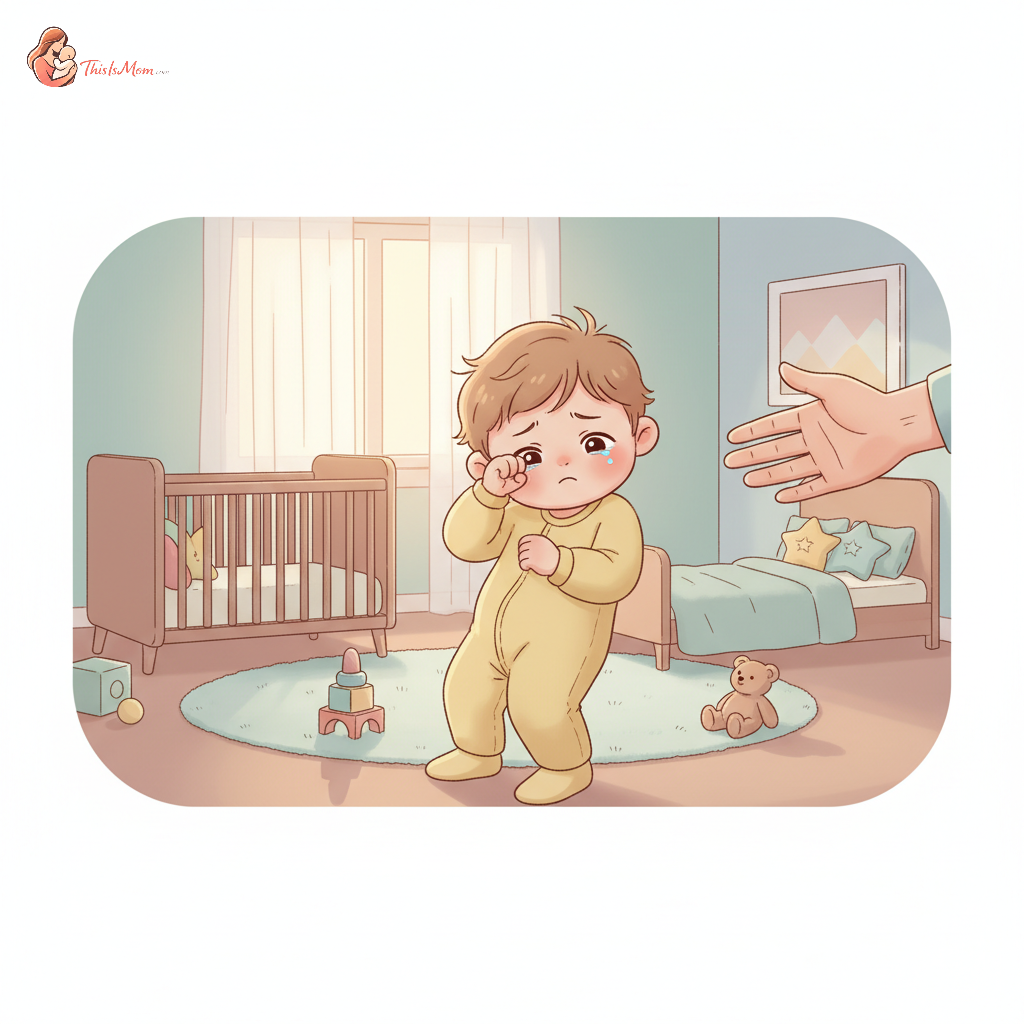
The Toddler Naptime Tug-of-War: When Tired Means Fight
With my first child, I spent hours meticulously timing naps, convinced there was a magic window. By my fourth, I learned that sometimes, the most tired toddlers are the ones who fight sleep the hardest. Looking back, that paradox – the toddler resisting nap but still tired – was a recurring theme in our house. If I could tell my younger self one thing, it’d be this: their resistance isn't defiance, it's often a sign they're seeking control or dealing with internal shifts. This phase, like so many others, will eventually pass.
The Nap Paradox: Why Tired Toddlers Fight Sleep So Hard
It feels counterintuitive, doesn't it? Your little one is rubbing their eyes, getting grumpy, and practically falling asleep on their feet, yet the moment you suggest naptime, it's a full-blown protest. This isn't just about being stubborn; it's a complex interplay of toddler development.
Normal Toddler Development: More Than Just Being Stubborn
Toddlers are in a constant state of growth and discovery. They're learning to walk, talk, and assert their independence. This desire for autonomy is powerful, and for many, naptime feels like the ultimate loss of control. They want to be in charge of their own time, their own world. For parents navigating these stages, understanding gentle parenting flaws and critiques can offer a balanced perspective on setting boundaries while respecting a child's growing needs.
Common Culprits: Teething, Milestones, and Overtiredness
Many factors can disrupt sleep. Teething pain can make even the sleepiest child uncomfortable. Big developmental leaps – learning new skills, experiencing new fears – can make their brains buzz with activity. Ironically, a toddler who won't nap but is sleepy might have already tipped into overtiredness. Overtiredness makes it harder to settle down, not easier.
Understanding Their Need for Control (and How to Work With It)
This is where strategies shift. Instead of seeing it as a battle of wills, try to offer small, manageable choices. Asking, "Do you want to wear your blue pajamas or your red ones for nap?" gives them a sense of agency. It’s not about conceding naptime, but about respecting their burgeoning need to make decisions.
Spotting the Signs: Is Your Toddler Truly Tired?
Distinguishing between a genuinely tired toddler and one who is just having a fussy moment can be tricky. The signs aren't always as obvious as a big yawn.
Beyond the Yawn: Subtle Cues You Might Be Missing
Look for a general increase in fussiness, a loss of coordination, or a sudden disinterest in play. They might become clingier, tearful, or even hyperactive as their body tries to fight off the sleepiness. Some toddlers might start bumping into things or seem a bit dazed. If you're dealing with significant parental stress, it's worth exploring how parental stress leads to child screen time and how to break that cycle, as stress can exacerbate behavioral challenges like nap resistance.
How to Differentiate Between Overtiredness and Under-Tiredness
An overtired toddler often becomes frantic and resistant, even to comforting. They might cry more intensely and have trouble calming down. An undertired toddler might simply seem a bit bored or restless, but they’ll usually engage with new stimuli or be easily distracted. The key is observing their overall demeanor, not just a single cue.
Age-Appropriate Nap Schedules: What to Expect
For most toddlers (around 1-3 years old), one nap a day is typical, usually lasting between 1-3 hours. By age 3, some might be transitioning to a shorter nap or even just quiet time. Of course, every child is different, so it’s more about observing individual cues than sticking to a rigid clock.
Gentle Strategies to Encourage Naptime (No More Battles!)
When your toddler won't nap but is sleepy, the goal is to create an environment and routine that signals rest is both necessary and appealing.
The Power of a Consistent Routine: Predictability Breeds Security
Toddlers thrive on predictability. A consistent wind-down routine signals to their body and mind that it's time to relax. This could include a quiet story, a gentle song, a change into pajamas, and a snuggle. Doing this same sequence every day, around the same time, helps them transition more easily.
Discover your baby's phase
Creating a Sleep-Inducing Environment: Dark, Quiet, and Cool
Make the bedroom a sanctuary for sleep. Blackout curtains are your friend. Minimize noise – a white noise machine can be helpful to drown out household sounds. Ensure the room is a comfortable, slightly cool temperature. These sensory elements tell the brain it's time for rest.
Offer Choices (Within Limits): Empowering Without Conceding
This ties back to their need for control. Offer limited choices within the naptime framework:
- "Would you like to read the bear book or the truck book before we snuggle?"
- "Do you want your lovey on the left side of the crib or the right?"
- "Should we sing 'Twinkle, Twinkle' or 'Rock-a-Bye Baby' softly?"
These small decisions can significantly reduce resistance.
When They Just Won't Nap: Alternatives to Midday Sleep
There will be days when, despite your best efforts, your toddler resists nap and doesn't actually sleep. It's okay. The goal is rest, not necessarily a deep slumber.
Quiet Time Magic: Independent Play Without Pressure
If a nap isn't happening, institute "quiet time." This is a designated period of calm, independent activity in their room or a safe play area. Books, quiet puzzles, or soft toys are good options. The emphasis is on rest and calm, not sleep. It still allows their brain and body to decompress. For parents struggling with sleep, knowing what to do if baby cries when put down for sleep can offer insights into gentle sleep transitions that might be adapted for toddlers.
The Importance of Rest (Even if it's Not Sleep)
Even if your toddler just plays quietly for 30-60 minutes, it's beneficial. It provides a break from the overstimulation of the day, reduces fussiness, and can help prevent the overtiredness that makes bedtime a struggle later.
Adjusting Bedtime: When a Failed Nap Means an Earlier Night
If your toddler skipped their nap or had a very short one, they might be more prone to overtiredness as the evening approaches. In these cases, consider moving their bedtime up by 30-60 minutes. This can prevent a meltdown and ensure they get the sleep they need overall.
Navigating Nap Transitions: Is it Time to Drop the Nap?
The dreaded nap transition. This is a significant developmental stage, and it can be a bumpy road. You want to be sure you're not dropping a nap your child still needs.
Signs Your Toddler Might Be Ready for One Nap or No Nap
If your toddler consistently resists their afternoon nap, takes a very short nap that doesn't seem to refresh them, or suddenly starts waking up much earlier in the morning, they might be ready to drop a nap. For many, this means transitioning from two naps to one. Later, this single nap might shorten or disappear entirely, replaced by quiet time.
The Gradual Transition: Don't Rush the Process
Don't abruptly eliminate naps. Instead, gradually shorten the nap time. If they usually nap for two hours, try one hour and 45 minutes for a few days, then an hour and a half, and so on. You can also start by having them wake up from their nap a little earlier each day.
Keeping Quiet Time Even After Naps Are Gone
Even when your toddler no longer naps, the benefits of a quiet, restorative period remain. Continue with a daily "quiet time" in their room for at least an hour. This allows them to rest, recharge, and have some independent downtime, which is crucial for their development and can significantly improve afternoon behavior. For parents navigating the complexities of a new baby and toddler, understanding how to manage a toddler and new baby sharing a room can help reduce overall household stress, potentially making naptime easier.