Toddler Screen Time Alternatives for Doctor's Waiting Room
Reduce stress and tantrums! Discover practical, screen-free alternatives and games to keep your toddler engaged and calm in the doctor's waiting room.
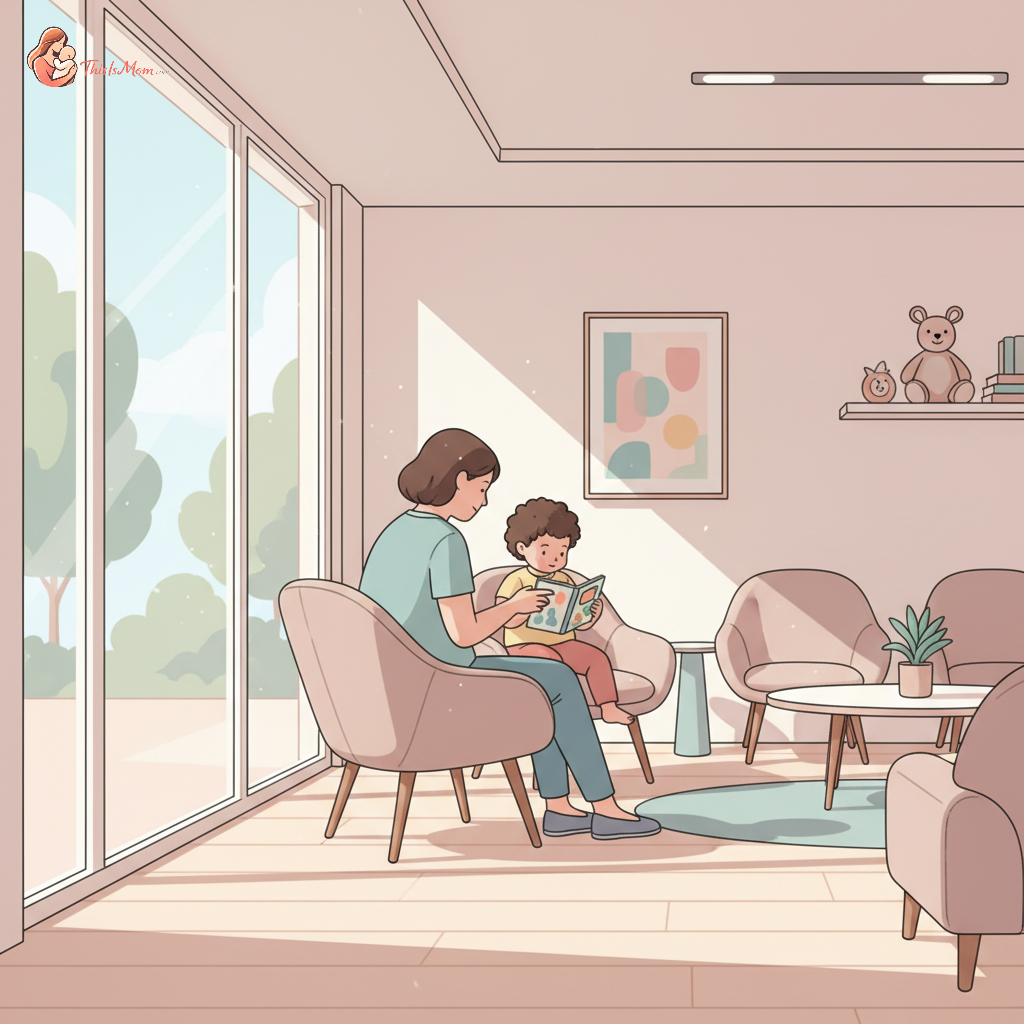
The Waiting Game: Toddler Screen Time Alternatives for Doctor's Waiting Room Wins
With my first child, the pediatrician's waiting room felt like a ticking time bomb. I'd arrive with a perfectly happy baby, and within five minutes, the germ-filled toys and stale magazines would conspire to transform him into a screaming banshee. By my fourth? I could navigate that same waiting room with a toddler balanced on my hip, holding a semi-competent game of "I Spy." Looking back, the biggest shift wasn't in my kids' behavior, but in my own preparedness. The temptation to whip out the tablet is strong, and Lord knows I've done it. But the truth nobody tells you is that a truly screen-free wait is possible, and frankly, often more peaceful for everyone.
Why the Quiet Way Works
We've all been there, right? The moment the appointment runs late, the lobby is packed, and your cheerful toddler starts to fray at the edges. It's so easy to pull out the phone or tablet. It’s a quick fix, a pacifier for the digital age. But those few minutes of quiet often come at the cost of a subsequent tantrum fueled by overstimulation and unmet needs.
In hindsight, these small moments of quiet engagement are powerful. They teach your child patience, the value of observation, and how to be present without constant digital input. They also offer immense benefits for you, the parent, reducing your own stress levels when you're already in a vulnerable situation. Understanding common screen time guidelines for toddlers from organizations like the AAP can also inform your choices. They often suggest limits for a reason: to protect developing brains and encourage real-world interaction.
Your Pocket-Sized Peacekeepers
When it comes to doctor's office distractions for toddlers, a little strategic packing goes a long way. Think of your purse or diaper bag as a treasure chest, not just a place to shove necessities. I’ve found that a few carefully chosen items can transform a dreaded wait into a manageable, even enjoyable, experience.
- Tiny 'Surprise' Toy Bags: I used to have small zip-top bags filled with dollar store treasures. A little car, a mini animal, a few colorful gems. I’d pull one out at the last minute, and the novelty was a game-changer. These are perfect for toddlers waiting rooms, offering a moment of fresh fascination.
- Mini Coloring Books and Stickers: So many brands make travel-sized versions these days. A small notepad and a few crayons, or a sticker book, can absorb a toddler’s attention for a surprising amount of time. The key is keeping it simple and portable.
- Favorite Board Books: A well-loved board book or a lift-the-flap adventure is a familiar comfort. They’re sturdy, engaging, and don’t require batteries.
- Fidget Toys: You might think these are just for older kids or those with specific needs, but simple fidget toys – like a textured ball, a small pop-it, or a soft animal with a squeaker – can be incredibly grounding for little ones. They offer tactile input that can help regulate emotions. These are fantastic screen-free car activities for toddlers, too, when you're on the go.
Games to Play Without a Screen
Discover your baby's phase
Sometimes, the best tools are the ones you already have: your imagination and your voice. Engaging your toddler in simple games can make the waiting time fly by, turning it into an opportunity for connection rather than a test of endurance.
- "I Spy," Sound Edition: When visual distractions are limited (like in a quiet waiting room), try an auditory version. "I spy with my little ear, something that sounds like..." You can listen for the air conditioner, a ticking clock, someone's shoe squeaking, or even the jingle of keys.
- Storytelling and 'What If' Games: Start a story with a simple phrase like, "Once upon a time, there was a little bear who went to the doctor..." and have your toddler add a sentence. Or try "What if" scenarios: "What if that flower outside could talk? What would it say?"
- Counting and Color Spotting: These are classic for a reason. "Can you count how many blue chairs there are?" or "Let's find all the things that are red!" Even pointing out different shapes on the wall can be engaging.
- The Power of Observation: If your child is observant, encourage them to look around (politely, of course!). "What do you see on that wall?" "What color is that person's shirt?" This is a subtle way to encourage social awareness and curiosity. This human observation is invaluable in a toddler waiting room survival guide.
Setting the Stage Before You Even Leave
The actual waiting time is just one part of the equation. My biggest revelations have come from understanding how much a little pre-planning can prevent meltdowns before they even start. This is a toddler waiting room survival guide in its simplest form.
- Talk About the Doctor: Before you even get in the car, have a simple, age-appropriate conversation. "We're going to the doctor today to make sure you're healthy and strong!" Avoid scary words. Frame it as a check-in, not a punishment or something to dread. For travel toys for toddlers, this preparation is key.
- Snack Wisdom: This is critical. A well-timed, quiet snack can be a miraculous distraction. Think mess-free options like crackers, fruit snacks, or a small pouch of applesauce. Avoid anything sticky or crumbly that will create more work.
- The 'Emergency' Bag: Beyond your daily diaper bag, have a small, dedicated "emergency" bag. This is for those times you know you'll be waiting longer than usual, or the toy bin at home is looking stale. It contains your most potent, novel distractions – maybe a new small toy, a fresh pack of stickers, or a yummy, special snack. This is your secret weapon.
When the Best Plans Go Sideways
There will be days, blessedly few but inevitably present, when nothing works. The child is overtired, overstimulated, or just having a "big feelings" day. Even the most well-prepared parent can find themselves in a meltdown situation.
- Empathy First: Before anything else, acknowledge their feelings. "I see you're really frustrated right now. It's hard to wait, isn't it?" Validating their emotions is the first step to calming them. This is about offering grace, not demanding perfection. This is why sensory alternatives to screen time for toddlers are so important for regulation.
- Change Your Environment: If possible, physically remove yourselves from the waiting room. A quick walk down the hall, a few minutes in a quiet corner, or even just standing by a window can provide a much-needed reset. Sometimes the sterile environment itself is overwhelming.
- Accept Imperfections: This is perhaps the hardest lesson learned. It’s okay if your child cries. It’s okay if you can’t prevent every tantrum. You are doing your best in a challenging situation. Forgive yourself, offer comfort, and remember that this phase, like all others, will pass. It's not about achieving a perfectly serene wait, but about navigating the moments with as much calm and connection as you can muster.