Sensory Alternatives to Screen Time for Toddler Regulation
Discover effective sensory alternatives to screen time for toddlers to help them regulate emotions, build resilience, and thrive through engaging play.
When Feelings Get Big: Sensory Alternatives for Toddler Emotional Regulation
Before you start your day with a tablet or TV, pause for a moment and observe your toddler. What are their eyes drawn to? What muscles do they instinctively use to steady themselves? What rhythm do they seem to seek out? In these quiet moments of observation lies the key to understanding how the youngest among us navigate their world – and their big feelings. For parents of toddlers (ages 1 to 3 years), the journey of emotional regulation can feel like a rollercoaster, and screens often present themselves as a quick solution. But what if we could offer our children the tools to self-soothe and process, using the power of their own senses and simple, tangible experiences?
The early years are a whirlwind of development. The toddler brain rapidly forms connections, experiencing the world with an "absorbent mind" that takes in everything. This also means their capacity to understand and manage intense emotions is still very much under construction. When frustration, excitement, or sadness bubble up, a toddler’s response can be dramatic, often leading parents to seek immediate calm. This is where sensory play becomes not just a fun distraction, but a powerful tool for emotional regulation.
Sensory input directly impacts a child’s nervous system. It can calm an overstimulated child or gently wake up a lethargic one. By providing rich, varied sensory experiences, we help the child develop internal mechanisms for managing their emotional state. This is profoundly different from the passive consumption of screens, which can often amplify big feelings or create a dependency rather than foster internal resilience. The goal isn’t to eliminate screen time entirely for every family, but to offer robust, enriching sensory alternatives to screen time for emotional regulation in toddlers.
Tuning into Your Toddler's Sensory World
Toddlers are, by nature, sensory explorers. Their primary way of learning and interacting with the world is through their senses. When they’re overwhelmed, under-aroused, or just trying to make sense of a big emotion, they often turn to sensory input to find balance. Understanding these connections can empower us to offer appropriate, child-led responses.
The Comforting Grasp of Tactile Exploration
Our sense of touch is a primary way we experience the world and soothe ourselves. For toddlers, the simple act of touching, squishing, building, and exploring different textures can be incredibly grounding.
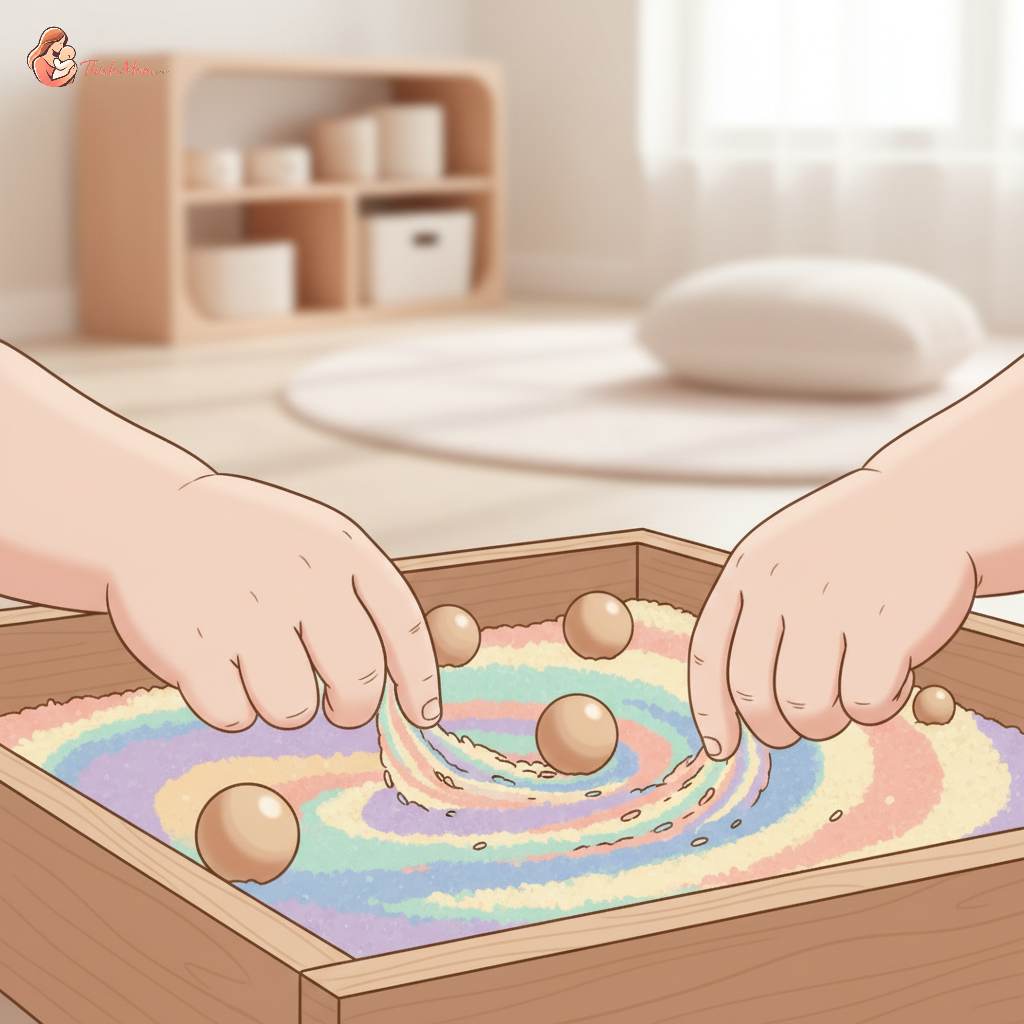
- For Calm: Offering a bowl of dry beans, rice, or pasta for pouring and scooping can be a deeply calming activity. If you have a bit more time, creating a sensory bin with safe, age-appropriate items like smooth stones, large pom-poms, or even cooked pasta can provide hours of quiet exploration. The repetitive motion of scooping and pouring is often naturally soothing.
- For Release: For a child needing to physically express strong emotions, activities like playing with playdough, slime (ensure it's taste-safe for younger toddlers), or even finger painting can be fantastic outlets. The act of squishing and molding provides a tangible way to release pent-up energy and tension.
Grounding Through Proprioceptive Input
Proprioception is our body's awareness of its own position and movement. Activities that involve pushing, pulling, lifting, and carrying provide deep pressure input that can be incredibly regulating. These are often the natural urges a toddler has when they’re feeling buzzy or anxious.
- Push and Pull: Involve your toddler in simple tasks like pushing a toy broom, pulling a laundry basket (whether empty or filled with soft toys), or helping to move cushions from one spot to another. These actions send powerful signals to the brain that can help to organize the nervous system. We can also help our little ones with their gross motor skill clumsiness.
- Carrying and Lifting: Encourage your toddler to carry small, lightweight objects like books or soft toy animals from one place to another. Even helping to carry their own plate to the sink (with supervision, of course) offers valuable proprioceptive input.
Finding Balance with Vestibular Sensations
The vestibular system, located in our inner ear, governs our sense of balance and spatial orientation. Gentle swinging, rocking, or even controlled spinning can help to calm or alert a child's nervous system, depending on their needs.
- Gentle Movement: A simple rocking chair, a gently pushed swing in the park, or even just rocking your child in your arms can provide essential vestibular input. For younger toddlers (12-18 months), focus on slow, rhythmic movements.
- Controlled Spinning: With older toddlers (18-36 months), brief, controlled spins can be both fun and regulating, provided your child enjoys it and doesn't become overstimulated. Always ensure safety and stop if they show signs of distress.
The Soothing Power of Auditory Pathways
Sound is a potent sensory input. For toddlers, particularly when they’re upset, calm, predictable sounds can offer comfort and help them to regain equilibrium.
- Rhythm and Repetition: Gentle lullabies, nature sounds, or even the rhythmic sound of a metronome can be surprisingly effective. You can create your own soothing rhythm by tapping a soft drum or gently shaking a homemade maraca.
- Quiet Listening: Sometimes, reducing the auditory input is just as important. Creating a quiet space where the child can listen to soft music or simply the sounds of their own breathing can be a powerful tool for self-regulation.
Visual Engagement for Focus and Calm
The visual system plays a role in our ability to focus and can be used to either calm or stimulate a child. Simple, intentional visual experiences can be incredibly beneficial.
- Light Play: Using a flashlight to create patterns on the wall, or exploring a light table with translucent objects, can be quietly captivating. A simple prism placed in a window can create mesmerizing rainbows that draw a child’s focus.
- Color and Contrast: While vibrant colors can be stimulating, a simple exploration of contrasting colors or gentle gradients can also be grounding. Think about a bin filled with colorful scarves or a set of colored translucent building blocks.
Simple Sensory Havens: DIY Ideas for Home
You don't need elaborate setups or expensive materials to offer powerful sensory alternatives to screen time for toddlers. The most effective approaches often use what you already have.
Discover your baby's phase
Crafting a Calming Corner
Designating a small, cozy space in your home can provide a sanctuary for your toddler. This doesn't need to be a whole room; a corner with a soft rug, a few comfortable cushions, and perhaps a basket of calming sensory items is enough. This space is a place for quiet exploration, self-soothing, and a gentle retreat when feelings become too big to manage elsewhere.
Taming High-Energy Moments
When your toddler is bursting with energy or experiencing frustration, offering a physical outlet is key. This is especially important when dealing with a toddler tantrum when screen time ends.
- Pouring Station: A few buckets, a large bin, and water (or dry beans/rice) can be set up outside or in a bathroom for a contained, energetic activity. The repetitive pouring and splashing is great for releasing energy.
- Pushing and Carrying Obstacle Course: Use cushions, boxes, and soft toys to create a simple "course" where your toddler can push, pull, and carry objects. This is a fantastic way to channel physical energy constructively.
Quiet Time Sensory Bins
These are perfect for winding down or for independent exploration.
- Taste-Safe Bin (12-24 months): Cooked pasta or oatmeal, mixed with a little food coloring and safe, child-friendly tools like large spoons and cups.
- Texture Bin (18-36 months): Dry items like rice, lentils, or oats. Add scoops, funnels, and small containers for scooping and pouring. You can also hide small, safe objects within the bin for them to find.
- Nature Bin: Collected leaves, smooth stones, pinecones, and twigs (ensure no choking hazards).
Building Balance Through Bilateral Coordination
Bilateral coordination refers to the ability to use both sides of the body together in a coordinated way. Activities that promote this skill are incredibly beneficial for brain development and can also have a surprisingly calming effect, contributing to toddler emotional regulation activities.
Why Both Sides Must Work Together
When a child engages in activities that require both hands or both feet to work together, it strengthens the corpus callosum, the bridge connecting the two hemispheres of the brain. This can lead to improved cognitive function, better motor skills, and a more integrated sense of self. Often, toddlers who are struggling with dysregulation may exhibit uncoordinated movements or difficulty with tasks requiring bilateral coordination.
Engaging Activities for Two-Sided Play
- Rolling Playdough: Rolling a ball of playdough between both hands or flattening it with both palms.
- Stringing Large Beads: Using an oversized string or pipe cleaner and large wooden beads. This activity requires hands to work together to guide the bead onto the string.
- Pushing a Toy Car: Encouraging them to push a toy car across the floor with both hands.
- Kicking a Ball: Gently kicking a soft ball back and forth.
- Simple Drumming: Holding two small, soft mallets or sticks and tapping them on a drum or sturdy container.
Making the Shift: Connecting Through Sensory Play
Transitioning away from consistent screen use and towards engaging sensory experiences is a process, not an overnight change. The key is to see these screen time alternatives for toddlers not as replacements, but as enriching additions that foster genuine connection and development.
Gentle Guidance Towards Sensory Engagement
Start small. Introduce one new sensory activity a day, even for just 10-15 minutes. Observe your toddler's interest and follow their lead. If they seem hesitant, don't force it. Instead, model engagement yourself – play with the playdough beside them, pretend to pour the beans into the cup. You can find many useful tips for toddler tv tantrums during meal prep and more structured activities to help with transitions.
Reading Your Toddler's Cues
Every child is unique. Some thrive on quiet, tactile exploration, while others need more vigorous proprioceptive or vestibular input to feel regulated. Pay attention to what calms your child, what energizes them, and what helps them return to a state of balance. This observation is your most valuable tool.
When to Seek Support
While sensory play is powerful, some children may have persistent challenges with emotional regulation or sensory processing. If you have concerns about your toddler's development, sleep patterns, or ability to manage their emotions, consulting with your pediatrician or a pediatric occupational therapist can provide valuable insights and tailored strategies. The pediatrician screen time limits for 2 year olds can also offer guidance.
Remember, your daily interactions and the environment you create are the most potent learning tools for your toddler. By offering a rich tapestry of sensory experiences, you are not just providing alternatives to screen time; you are nurturing a capable, resilient, and emotionally intelligent child, one mindful moment at a time.
Try incorporating one new sensory bin this week using items from your kitchen.