Toddler Obsessed with YouTube Kids Nursery Rhymes? Guide
Is your toddler fixated on YouTube Kids nursery rhymes? Discover expert tips, AAP guidelines, and engaging alternatives to balance screen time and foster healthy development.
Toddler Obsessed with YouTube Kids Nursery Rhymes? What to Do
Is your toddler mesmerized by the same brightly colored cartoon singing "The Wheels on the Bus" for the tenth time today? This isn't just a passing phase; it feels like a full-blown obsession with YouTube Kids nursery rhymes, and you're wondering what to do. Many parents find themselves navigating the world of toddler screen time and its magnetic pull. Understanding why this happens is the first step in helping your child develop a more balanced relationship with digital content.
The Allure of Endless Entertainment
For toddlers, the appeal of YouTube Kids nursery rhymes is multifaceted. The repetition and predictability inherent in these videos offer a sense of comfort and security for young minds. They know what to expect, and this familiarity can be incredibly soothing.
The algorithms are also designed to keep children engaged. Once a video ends, another similar one is queued up automatically. This seamless transition means toddlers don't have to make active choices, which can be overwhelming for them. The bright visuals and catchy tunes are also highly stimulating, capturing their attention effectively.
It's important to distinguish between healthy engagement and over-reliance. Occasional viewing for entertainment or educational purposes is different from a child who seems distressed when screens are turned off or who prefers screens over all other activities. Research suggests that while screens can offer benefits, moderation and intentionality are key.
Screen Time Guidelines for Little Ones
The American Academy of Pediatrics (AAP) offers clear guidelines regarding screen time for young children. For children younger than 18 months, the AAP recommends avoiding screen media altogether, with the exception of video-chatting with loved ones.
Between 18 and 24 months, parents can introduce high-quality programming if they choose, but it should be co-viewed with a parent. This means watching together, discussing what you’re seeing, and helping your child understand the content.
For children aged 2 to 5 years, the AAP suggests limiting screen use to 1 hour per day of high-quality programming. Again, co-viewing is encouraged to help children understand the content and apply it to the world around them. The focus shifts from just quantity to the quality of the content and how it's used.
Setting sustainable boundaries without guilt is crucial. It’s easy to feel like a "bad parent" if screens are used, but the AAP emphasizes that screen time is not inherently bad. It's about making intentional choices that support your child's development. The goal is to integrate screens in a way that complements, rather than replaces, other essential childhood experiences.
Gently Shifting the Focus
If you're looking for ways to reduce your toddler's reliance on YouTube Kids nursery rhymes, a gentle approach is often most effective. Outright bans can sometimes lead to increased begging or sneaky screen use. Instead, focus on gradual changes and positive reinforcement.
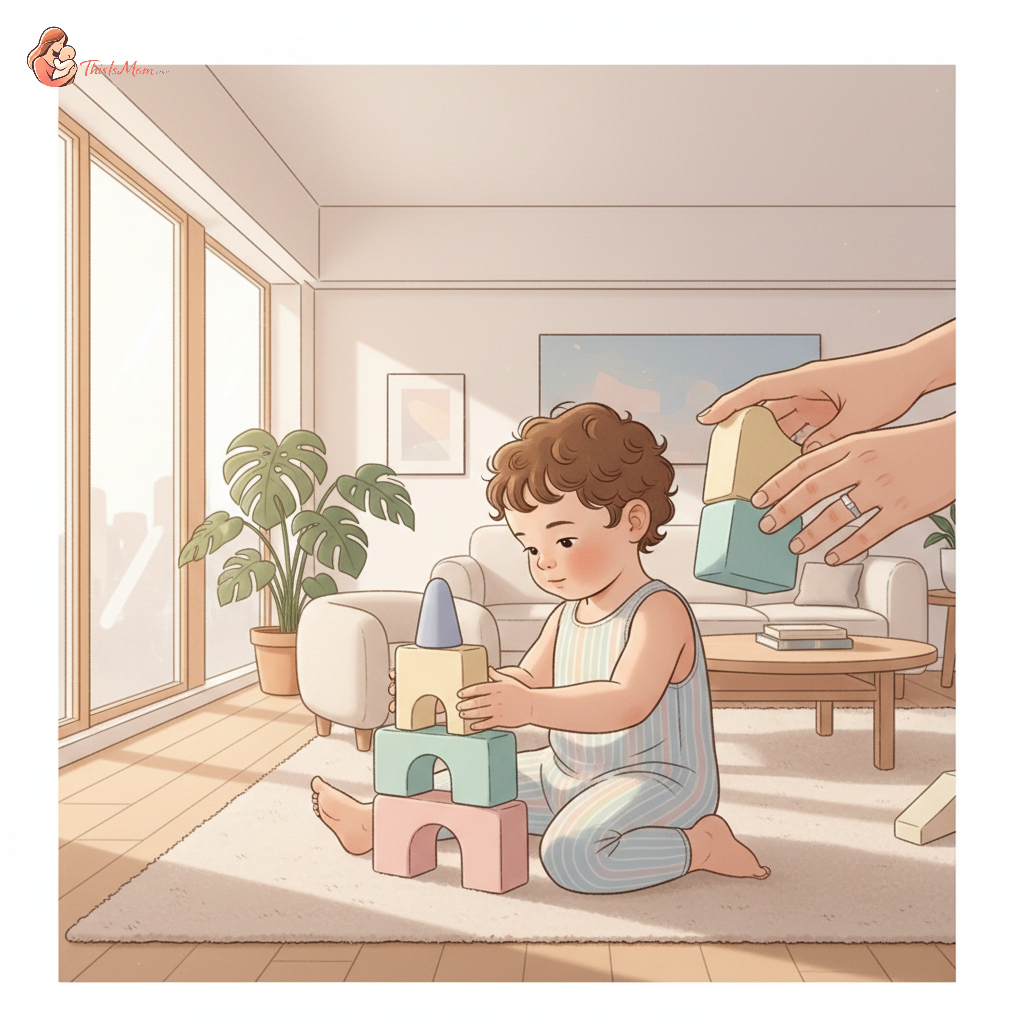
The "First/Then" approach can be a powerful tool. You might say, "First, we'll play with your blocks for 20 minutes, then you can watch one song on YouTube Kids." This structure helps toddlers understand expectations and offers them a sense of control by presenting a clear sequence of events.
Discover your baby's phase
Diversifying content is also important. If your toddler is fixated on nursery rhymes, introduce other types of high-quality shows or apps that encourage learning, creativity, or problem-solving. Look for programming that sparks curiosity and encourages interaction.
Introducing "screen-free" zones and times throughout the day can also be beneficial. Designate certain areas of the house, like bedrooms or the dining table, as screen-free. Similarly, establish screen-free times, such as during meals or in the hour before bedtime.
Visual timers can be incredibly helpful for toddlers. They provide a clear, tangible representation of how much screen time is left. When the timer goes off, it’s a neutral cue that time is up, rather than a parental decree. This can reduce power struggles and help your child learn to self-regulate.
Engaging Alternatives to Digital Tunes
The world is full of wonderful alternatives to digital nursery rhymes that can foster development and create lasting memories. Engaging your toddler in hands-on activities can capture their attention and support their growth in ways screens cannot.
Real-life music and movement are fantastic substitutes. Introduce simple musical instruments like shakers or drums. Sing songs together, clap your hands, and have spontaneous dance parties. This active engagement is far more beneficial than passive viewing.
Sensory play offers a wealth of learning opportunities. Think play-doh, water tables, sandboxes, or even just a bin filled with dried pasta or beans. These activities allow toddlers to explore textures, develop fine motor skills, and engage their senses in a deeply satisfying way.
Outdoor adventures are often the best "screen" there is. Exploring a park, visiting a local playground, or simply walking around the neighborhood provides fresh air, physical activity, and new discoveries. The natural world is a rich environment for learning and play.
Story time with books is another powerful alternative. Cuddle up with your toddler and read a physical book. Point to the pictures, ask questions, and let their imagination soar. This builds language skills, fosters a love of reading, and strengthens your bond.
When to Seek Professional Advice
While a temporary obsession with YouTube Kids nursery rhymes is common, there are times when it’s wise to talk to your pediatrician. If you notice significant changes in your toddler's behavior or development that you suspect are related to screen time, a professional can offer guidance.
Signs of potential overuse impact might include difficulty transitioning away from screens, increased irritability or tantrums when screens are removed, or a noticeable decline in engagement with other activities or people. If your child seems to prefer screens over social interaction or play, it's worth exploring.
Developmental concerns related to screen time can sometimes emerge. The AAP notes that excessive screen time in very young children has been associated with potential delays in language development and executive function skills. If you have worries about your child’s speech, social skills, or attention span, a pediatrician can provide a developmental assessment. How to choose a pediatrician can be a helpful step in finding the right professional.
Seeking professional guidance for healthy habits is a sign of proactive parenting. Your pediatrician can help you assess your child's specific situation, offer personalized recommendations, and connect you with resources if needed. They are your best partner in ensuring your child’s healthy development.