Transition Toddler from Screen to Outdoor Play: A Guide
Learn gentle strategies to transition your toddler from screen time to engaging outdoor play. Discover tips for warnings, choices, and fun activities to reduce meltdowns.
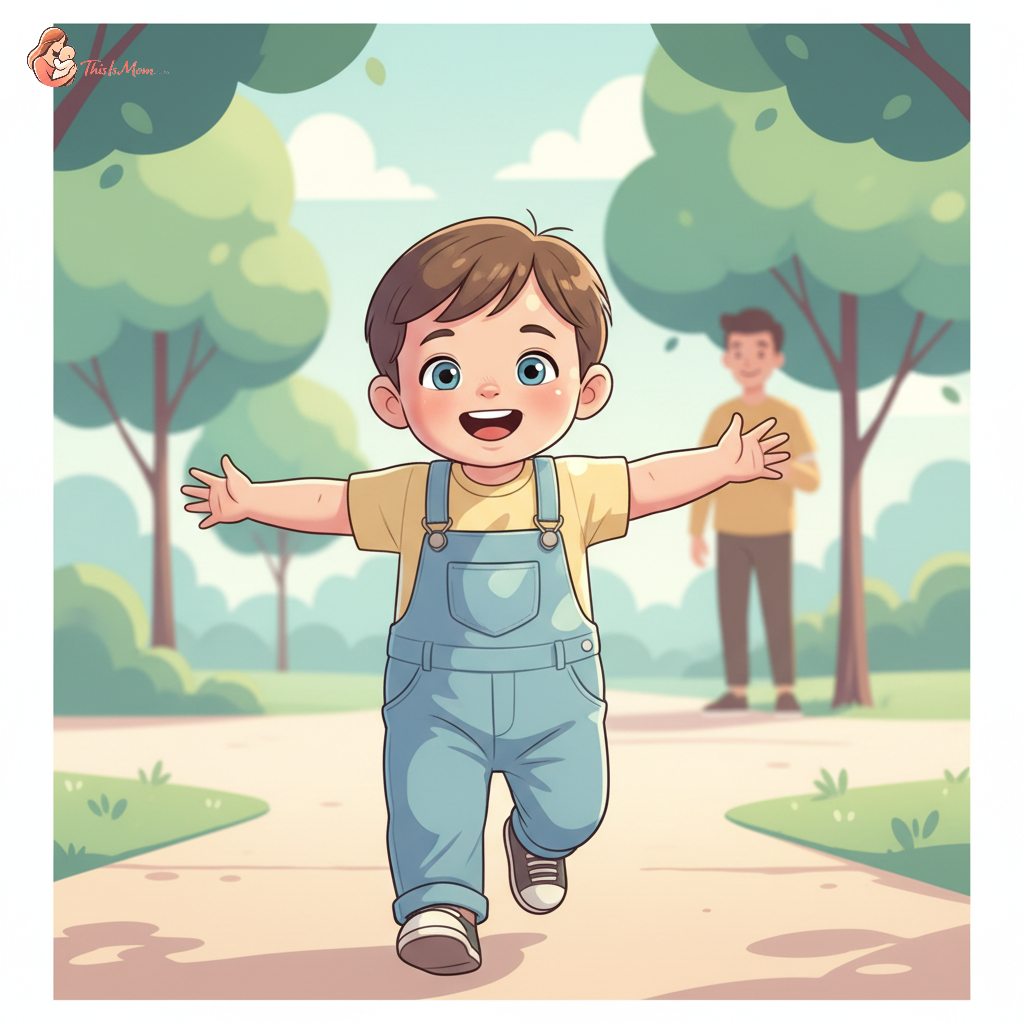
From Glowing Screens to Green Spaces: Transitioning Toddlers to Outdoor Play
Before you close that tablet or turn off the cartoon, take a moment to simply observe your child. What is their gaze like? Is it focused, almost mesmerized? Do their little fingers trace the patterns on the screen? This intense absorption is our first clue when considering how to transition a toddler from screen to outdoor play. It’s not just about pulling the plug; it’s about understanding the powerful grip screens can have on their developing minds and creating a bridge, not a barrier, to the vibrant world waiting just outside our doors.
The Magnetic Pull of the Screen
The allure of screens for toddlers is undeniable. Their rapidly developing brains are like sponges, absorbing information at an astonishing rate. Screens offer a constant stream of novel, stimulating content that is expertly designed to capture and hold attention. This rapid-fire input can make it challenging for a child to shift focus to slower-paced, real-world experiences.
Research suggests that the predictability and immediate gratification offered by digital media can create a powerful loop. For a toddler, whose impulse control is still in its infancy, this makes a sudden departure from screen time feel jarring. We can set realistic expectations for these transitions, understanding that a few moments of protest are often part of the process, rather than an indication of misbehavior. The link between parental stress and increased child screen time is a complex cycle worth understanding, as managing your own stress can positively impact your child's digital habits parental-stress-child-screen-time-breaking-the-cycle.
Laying the Groundwork for a Gentle Shift
Preparing your child for a transition is perhaps the most crucial step in making it a smooth one. This "pre-transition" phase is all about signaling change in a way that respects their need for predictability. Think of it as gently nudging them towards a new adventure.
The classic "5-minute warning" and "2-minute warning" are powerful tools here. Announce the impending change clearly and calmly: "In five minutes, we’ll be finished with the show and will go outside to play." Repeat this, then shorten the interval. This predictability helps the child mentally prepare for the shift.
Co-viewing the content they are engaged with, and using that time to talk about what’s happening, can also help. As the screen time nears its end, you can start to weave in mentions of the next activity. "Wow, that character is going on an adventure! Guess who else is going on an adventure? You and I, outside!" Making the upcoming activity sound exciting and engaging is key. We can also manage toddler screen time in pediatrician waiting rooms manage-toddler-screen-time-pediatrician-waiting-room by using these anticipation techniques.
Here are a few simple ways to build this anticipation:
- Narrate the ending: "The story is almost over. Soon, we'll pack up the tablet and put on our shoes for the park."
- Offer a choice: "When we’re done, would you like to go to the park or play in the backyard?"
- Connect to their interests: If they love animals, "After this, we can go look for squirrels in the garden!"
Seamlessly Shifting Gears to Outdoor Adventures
Once screen time has concluded, the next step is to make the transition to outdoor play as engaging as possible. The goal is to redirect their focus with enthusiasm, making the new activity the most exciting prospect. This is where creativity can really shine.
The "choose your own adventure" approach can be incredibly effective for toddlers. Instead of dictating the outdoor activity, offer a choice between two appealing options. "Do you want to play with the big ball or the little cars outside?" This gives them a sense of agency, which can significantly reduce resistance.
Turning the transition into a game or a mission can also work wonders. "We need to go on a mission to find the biggest leaf in the yard!" or "Let's see if we can race to the end of the sidewalk before I count to ten!" These playful prompts transform a potentially difficult shift into an enjoyable part of their day.
Discover your baby's phase
For many toddlers, a bit of physical guidance, offered with connection, can be helpful. Instead of lifting them abruptly, invite them: "Come on, let’s run outside together!" or "Let’s hold hands and march to the door!" This can be especially useful if you are trying to foster smooth screen time transitions without meltdowns. The physical movement, paired with your engagement, helps them shift their physical and mental state. When a baby cries when put down for sleep [baby-cries-when-put-down-for-sleep-why-what-to-do], similar gentle physical guidance and connection can be beneficial for transitions.
Unlocking the Joys of the Great Outdoors
Once you’ve successfully transitioned, having a few go-to outdoor play ideas can ensure continued engagement. The aim is to provide rich, sensory experiences that capture their attention naturally. This is about fostering a love for the outdoors, not just escaping screen time.
Simple nature exploration is a cornerstone. Even a small backyard can be a universe of discovery. Provide a magnifying glass and encourage them to observe insects, leaves, and textures. A simple basket to collect interesting finds – smooth stones, colorful leaves, fallen twigs – can make exploration feel purposeful and exciting. For babies on hardwood floors, a non-toxic playmat non-toxic-playmat-crawling-baby-hardwood-floors provides a safe space for similar exploration.
Movement games are excellent for burning energy and encouraging physical development. Think classic games like tag or "Red Light, Green Light." Even simple activities like kicking or throwing a ball back and forth can be incredibly engaging for a toddler. For younger toddlers, simply exploring the sensation of grass underfoot or the feeling of wind on their skin is a profound experience.
Sensory play can be easily adapted for outdoor environments. A water table or a shallow bin filled with water, sand, or even just dirt can provide hours of engaging play. Add scoops, cups, and natural objects for exploration. These kinds of activities are fantastic for toddler outdoor play ideas that are both simple and deeply stimulating.
Here are a few more ideas:
- Nature scavenger hunt: Create a simple list (pictures work best for younger children) of things to find: a smooth rock, a green leaf, something fuzzy.
- Mud kitchen: If you have a designated spot, a few old pots, pans, and utensils can transform a patch of dirt into an imaginary kitchen.
- Bubble blowing: Always a hit, and great for developing visual tracking skills.
Navigating the Bumps in the Road
Despite our best efforts, there will be times when a transition doesn’t go smoothly. Meltdowns and resistance are a normal part of toddler development, especially when navigating changes in routine or managing strong emotions. When these moments arise, remember to approach them with empathy and consistency.
First and foremost, acknowledge your child's feelings. "I see you are feeling sad/angry that we have to stop playing with the tablet." Sometimes, simply naming their emotion and offering a hug can help them regulate. Avoid shaming or dismissing their feelings; instead, offer comfort and support.
Gently but firmly sticking to your boundaries is essential. You’ve established that screen time is over, and outdoor play is next. You can reiterate this calmly. "We will go outside now." If they continue to resist, you can offer a choice again or suggest a brief period of quiet time together before re-attempting the transition.
It’s also wise to periodically re-evaluate your routines and expectations. Are you offering too much screen time initially? Are the transitions happening too abruptly? Are your outdoor play invitations genuinely appealing to your child? Sometimes, a slight adjustment to the overall schedule or the way you present activities can make a significant difference in how your child responds.
The goal isn't to eliminate screens entirely, but to find a healthy balance that prioritizes real-world experiences and connection. By understanding your child's developmental stage and preparing the environment with intention, you can foster a more harmonious relationship with technology and a deeper appreciation for the wonders of outdoor play.
Making the shift from screen to the great outdoors is a journey, and each child navigates it differently. By approaching these transitions with patience, creativity, and a deep respect for your child's evolving needs, you can help them discover the immense joy and wonder that awaits them beyond the glowing screen. Try incorporating one of these gentle transition strategies this week and observe how your little one responds.