Traveling with Baby: Adjusting Sleep Across Time Zones
Master traveling with your baby across time zones. Learn how to adjust their sleep schedule, combat jet lag, and ensure smoother transitions for a happier journey.
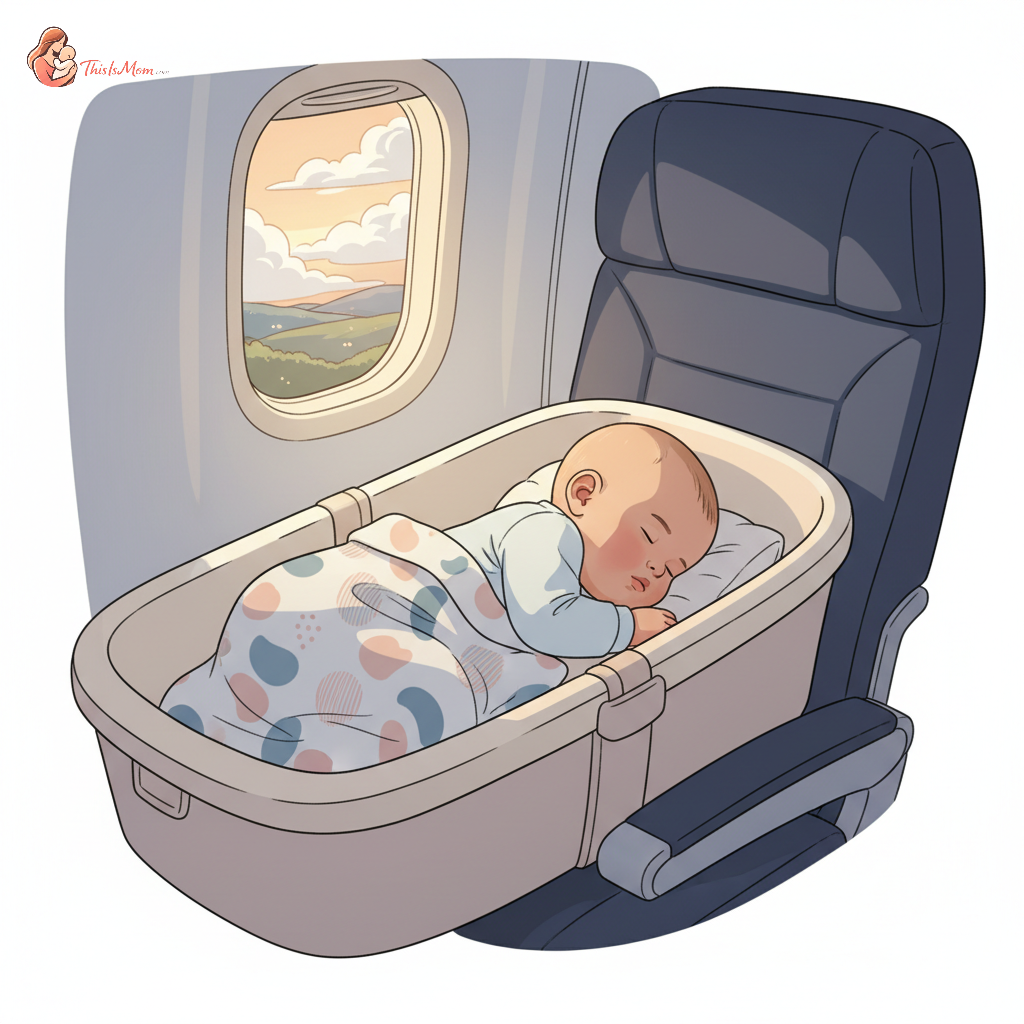
Your baby has slept soundly through the night for weeks, and now you're embarking on a big adventure. But as soon as you land, your little one is wide awake at 2 AM, ready to play. Traveling with a baby across time zones can feel like a sleep schedule minefield, and you're wondering how to adjust their sleep schedule when you're battling jet lag yourself. It's a common concern for parents, and research suggests there are proactive steps you can take to make the transition smoother for everyone.
Understanding Baby Jet Lag
Babies, especially infants, have a developing circadian rhythm – their internal body clock that regulates sleep-wake cycles. This rhythm is heavily influenced by light and darkness. When you cross multiple time zones, this internal clock gets out of sync with the new environment, leading to what we commonly refer to as jet lag.
Why Time Changes Hit Babies Harder
The guidelines from organizations like the American Academy of Pediatrics (AAP) highlight that babies' systems are still maturing. Their ability to self-regulate and adapt to environmental shifts is less developed than in older children or adults. This means they can be more sensitive to disruptions in their sleep and feeding patterns.
Common Signs of Jet Lag in Infants
You might notice several signs that your baby is struggling with the time change. Research suggests these can include:
- Increased fussiness and crying: Especially during times they would normally be asleep.
- Changes in feeding patterns: Refusing to eat or wanting to eat more frequently.
- Difficulty settling for naps or bedtime: A stark contrast to their usual sleep behavior.
- Frequent night wakings: Even if they previously slept through the night.
- Disrupted nap schedules: Naps may be shorter, longer, or entirely missed.
Preparing for Time Zone Shifts
The best strategy for managing baby jet lag is to start preparing before you even leave home. The approach you take will depend on the extent of the time difference.
Gradual Adjustments for Mild Time Differences (1-3 Hours)
If you're traveling a modest distance, say 1 to 3 hours difference, you can begin to make small shifts to your baby's schedule in the days leading up to your trip. The AAP suggests that for minor changes, you can gradually move bedtime and wake-up times by 30 minutes each day.
For example, if you're traveling east and losing time, start waking your baby 30 minutes earlier each morning for a couple of days before you travel. If you're traveling west and gaining time, try to shift bedtime 30 minutes later.
Strategies for Larger Time Differences (4+ Hours)
For more significant time zone changes (4 hours or more), a more direct approach is often recommended, which usually involves adjusting your baby's schedule upon arrival. While it might feel counterintuitive, the CDC's guidance on sleep suggests that aligning with the new local time as quickly as possible is key for adults, and this principle can be applied to babies with some modifications.
The goal is to get your baby on the new local schedule as swiftly as possible. This means resisting the urge to let them nap too long during the day and aiming for an earlier bedtime in the new time zone, even if they seem overtired.
Packing Essentials for On-the-Go Sleep
Ensuring a conducive sleep environment, no matter where you are, is crucial. When packing for travel, consider these essentials:
- Familiar Sleep Sack or Blanket: Comfort items can provide a sense of security.
- Portable White Noise Machine: Consistent background noise can drown out unfamiliar sounds.
- Blackout Curtains or a Travel Blackout Cover: Light is a powerful cue for circadian rhythms. Making the sleep space dark is vital.
- Favorite Lovey or Stuffed Animal: A familiar object can be very comforting.
During Travel: Maintaining Calm Amidst the Chaos
The journey itself can be a significant disruption. Focusing on maintaining a sense of normalcy as much as possible can help.
On the Plane: Light, Noise, and Comfort
Airplanes are environments with artificial light, fluctuating cabin pressure, and engine noise, all of which can interfere with sleep. According to Mayo Clinic resources on travel and sleep, minimizing stimulation is often helpful.
Try to keep the cabin as dark as possible during designated nap or sleep times, especially on longer flights. Using a sleep sack can help signal "sleep time." Feedings can also help soothe babies and aid in falling asleep, as the sucking reflex is calming.
Feeding Strategies During Travel
Babies often need to feed on demand, and travel can sometimes disrupt this. Try to offer feeds at regular intervals if possible, aligning with the new time zone's meal times. If your baby is showing hunger cues, feed them. Staying hydrated is also important, so offer milk or water as appropriate for their age.
Discover your baby's phase
Minimizing Disruption on Layovers
Layovers can be particularly challenging, especially with a baby. If you have a significant layover, try to find a quiet spot away from the main thoroughfares to allow for a nap or some quiet downtime. Stick to your baby’s usual nap schedule as much as possible, even if it means sitting in a less-than-ideal location.
Arrival & Beyond: Adjusting to the New Time Zone
Once you arrive, the real work of adjusting begins. Consistency and leveraging environmental cues are your best allies.
Leveraging Light Exposure for Circadian Rhythms
Light is the most powerful tool for resetting your baby's internal clock. Research strongly suggests that exposing your baby to natural daylight in the morning and early afternoon of the new time zone can help signal that it's daytime.
Conversely, dim the lights and minimize screen time in the evening to encourage melatonin production and signal that it's time for sleep. Avoid bright overhead lights and keep the environment calm and soothing as bedtime approaches.
The Power of a Consistent Bedtime Routine
Even with time zone changes, a familiar bedtime routine can provide a sense of security and predictability. The AAP recommends establishing a calming routine before sleep. This might include a bath, a story, a song, and a final feeding.
Performing these familiar steps in the new time zone, even if it's at an "odd" hour by your old clock, can help signal to your baby that it's time to wind down and prepare for sleep.
When to Offer Naps Versus Pushing Through
This is often a balancing act. Generally, guidelines suggest trying to stick to the new time zone's nap schedule as much as possible. If your baby is clearly overtired and struggling, a short, restorative nap might be necessary. However, if your baby is only taking short naps, consider resources on baby naps only 30 minutes? what to do for longer sleep.
However, avoid allowing long naps that significantly cut into wakeful periods, as this can further disrupt nighttime sleep. The key is flexibility while still aiming for the new schedule. If your baby misses their usual nap window, try to offer a shorter one if they seem to be struggling to stay awake.
Adapting Feeding Schedules to the New Time
Similar to sleep, try to align feeding times with the new local schedule. Offer meals and snacks during daylight hours. If your baby wakes frequently at night out of habit rather than hunger, try to soothe them back to sleep without a full feeding, if appropriate for their age and your pediatrician’s advice. This can help break the association between night wakings and feeding.
Troubleshooting & Compassion for Parents
Traveling with a baby is demanding, and adjusting to time zones adds another layer of complexity. It's important to remember that perfection isn't the goal.
When Things Don't Go to Plan: Flexibility is Key
There will be days when your baby seems to be fighting the new schedule relentlessly. This is normal. Don't get discouraged if you have a few rough nights or days. Research shows that most babies eventually adjust. For parents, dealing with postpartum exhaustion & rage at partner can be a significant challenge during these times.
Focus on consistency over strict adherence. If your baby had a terrible night, allow for a slightly more relaxed approach to naps the following day, but gently steer back towards the intended schedule as soon as possible.
Self-Care Tips for Exhausted Parents
You are also experiencing jet lag and sleep deprivation. Prioritize rest where you can. Take shifts with your partner, accept help from friends or family if available, and lower your expectations for other tasks. A happy, rested parent is better equipped to handle the challenges of travel with a baby.
When to Consult Your Pediatrician
While most sleep disruptions due to time zone changes are temporary, there are times when you should reach out to your pediatrician. If your baby exhibits persistent fussiness that doesn't improve, significant feeding issues, or a fever, it’s always best to seek professional advice. Your pediatrician can offer personalized guidance and rule out any underlying concerns. For example, if you are concerned about pediatrician recommended sleep schedule for 6 month old, consult them directly.
Navigating different time zones with your little one is a journey in itself. By understanding how jet lag affects babies and implementing these strategies with patience and grace, you can help your family adjust more smoothly to new surroundings and enjoy your travels. Remember, your pediatrician is your best resource for any specific concerns about your child's health and well-being.
Consider these tips for adjust baby sleep for daylight saving time as well, as time changes can exacerbate sleep issues.