Adjust Baby Sleep for Daylight Saving Time (US Parents)
Learn how to adjust your baby's sleep schedule for Daylight Saving Time. Get practical tips for both 'spring forward' and 'fall back' transitions, plus advice on gradual changes, creating an optimal sleep environment, and maintaining consistency.
How to Adjust Baby Sleep for Daylight Saving Time (US Parents)
Daylight Saving Time (DST) arrives twice a year in the United States, and for many parents, it means grappling with how to adjust baby sleep for daylight saving time. Whether we’re losing an hour in the spring or gaining one in the fall, our little ones’ internal clocks can take a few days – or even weeks – to catch up. The American Academy of Pediatrics (AAP) offers guidance on sleep, and while they don't have specific DST recommendations, their general advice on establishing healthy sleep habits can be applied here.
This guide will break down strategies for both "spring forward" and "fall back" transitions, offering practical tips to help your baby adapt with as little disruption as possible.
Understanding the DST Shift
Daylight Saving Time involves two distinct changes each year that affect our daily routines, including sleep.
Spring Forward: Losing an Hour
In the spring, clocks "spring forward" by one hour. This means that by the clock, bedtime and wake-up times effectively become one hour earlier. For your baby, their internal body clock, or circadian rhythm, still thinks it’s the "old" time for a while, making it harder to fall asleep at the new, earlier bedtime and potentially causing earlier wake-ups.
Fall Back: Gaining an Hour
In the fall, clocks "fall back" by one hour. This effectively makes bedtime and wake-up times one hour later by the clock. Your baby's body clock might still feel like it's on the "old" time, making it easier to fall asleep at the new, later bedtime. However, early morning wake-ups can still persist as their body adjusts to the later sunrise.
General Principles for Adjusting Baby Sleep
When navigating DST, a few core principles from sleep experts and pediatric organizations can guide your approach.
Why Gradual is Key
The body, especially a baby's developing system, responds best to gradual changes. Abrupt shifts can be jarring and lead to prolonged sleep disruptions. A slow adjustment allows their internal clock to reset more smoothly.
The Role of Light and Dark
Light is the most powerful cue for our circadian rhythm. The AAP emphasizes the importance of a consistent sleep environment, which includes managing light exposure. Inconsistent light exposure around DST can confuse a baby's internal clock.
Patience and Consistency
Adjusting to DST is a process. There will likely be a few challenging days. Maintaining a consistent daily routine, even with the time shift, is crucial. This predictability helps your baby feel secure and aids their adaptation.
Spring Forward Strategy: Shifting Gently (Losing an Hour)
The "spring forward" adjustment, where we lose an hour, can be particularly tricky for baby sleep schedules. This is a perfect example of needing to adjust baby sleep for daylight saving spring forward.
Option 1: The 'Ahead of Time' Shift (Gradual Approach)
This is often the preferred method for a smoother transition. The CDC and AAP suggest that routine is vital for children, and a gradual shift reinforces this.
- Start 2-3 days before DST: Begin shifting your baby’s nap times and bedtime earlier by 15-20 minutes each day.
- Morning light is crucial: Expose your baby to bright natural light soon after waking to help reset their clock to the new morning.
- Adjust mealtimes: Shift feeding and meal schedules slightly earlier to align with the new sleep schedule.
- Watch wake windows: Be mindful of your baby's wake windows (the amount of time they can comfortably stay awake between sleep periods) and adjust naps accordingly.
Option 2: The 'Day Of' Adjustment (Cold Turkey)
Some parents opt for a quicker adjustment, which can work but may lead to more immediate fussiness.
- Stick to the new time: On the day DST begins, immediately adopt the new, earlier schedule for naps, meals, and bedtime.
- Expect resistance: Be prepared for your baby to resist falling asleep at the new earlier bedtime and potentially wake up earlier than usual.
- Darken the room: Ensure the bedroom is very dark for all sleep periods to encourage sleep despite the lighter mornings.
Tips for the First Few Days Post-DST
Regardless of your chosen method, the first few days after the "spring forward" can still be a challenge.
- Prioritize naps: If your baby is struggling with the new bedtime, allow for slightly longer or an extra nap if needed.
- Calm bedtime routine: Keep the bedtime routine consistent and calming, focusing on winding down.
- Don't force it: If your baby wakes too early, try to keep the environment dark and quiet. Avoid engaging them until it’s closer to the desired wake-up time.
Fall Back Strategy: Embracing the Extra Hour (Gaining an Hour)
The "fall back" adjustment, where we gain an hour, is often perceived as easier, but can still require a mindful approach to baby sleep.
Discover your baby's phase
Option 1: The 'Ahead of Time' Shift (Gradual Approach)
Similar to spring, a gradual shift can make this transition smoother.
- Start 2-3 days before DST: Begin shifting your baby’s nap times and bedtime later by 15-20 minutes each day.
- Evening light management: Gradually darken the room earlier in the evening to signal to your baby that it's time to wind down for the new, later bedtime.
- Adjust mealtimes: Shift feeding and meal schedules slightly later.
- Observe sleep cues: Pay close attention to your baby's sleep cues, as they may seem tired earlier than the new, later bedtime.
Option 2: The 'Day Of' Adjustment (Cold Turkey)
This approach involves implementing the new, later time schedule immediately.
- Follow the new time: On the day DST begins, set your clocks back and adjust all schedules accordingly.
- Watch for early tiredness: Your baby might seem ready for sleep before the clock indicates it’s time. You may need to offer a nap slightly earlier or comfort them until the new bedtime.
- Embrace the extra morning hour: This is the easiest part for many families, as babies often sleep later naturally with the later sunrise.
Tips for the First Few Days Post-DST
Even with the extra hour, there are ways to ease the transition.
- Consistent bedtime routine: Stick to your established bedtime routine to signal that it's time for sleep.
- Don't oversleep: While tempting, try not to let your baby sleep significantly later than their usual wake-up time, as this can disrupt their overall schedule.
- Maximize daylight exposure: Ensure your baby gets plenty of natural light exposure during the day to help anchor their new schedule.
When to Call the Pediatrician
While DST adjustments are usually temporary, there are times when consulting your pediatrician is wise. If you're struggling with sleep, remember that choosing the right pediatrician before baby arrives can provide invaluable support.
Persistent Sleep Issues Unrelated to DST
If your baby's sleep problems continue for more than a week or two after DST, or if they existed before and are worsening, it’s time to seek professional advice.
Concerns About Overall Development
Any significant changes in your baby's appetite, behavior, mood, or overall development should be discussed with your pediatrician to rule out any underlying issues.
Making the Transition Easier: Practical Tips
Here are some additional strategies to help your baby navigate the DST changes.
Optimizing the Sleep Environment
A consistent sleep environment is key.
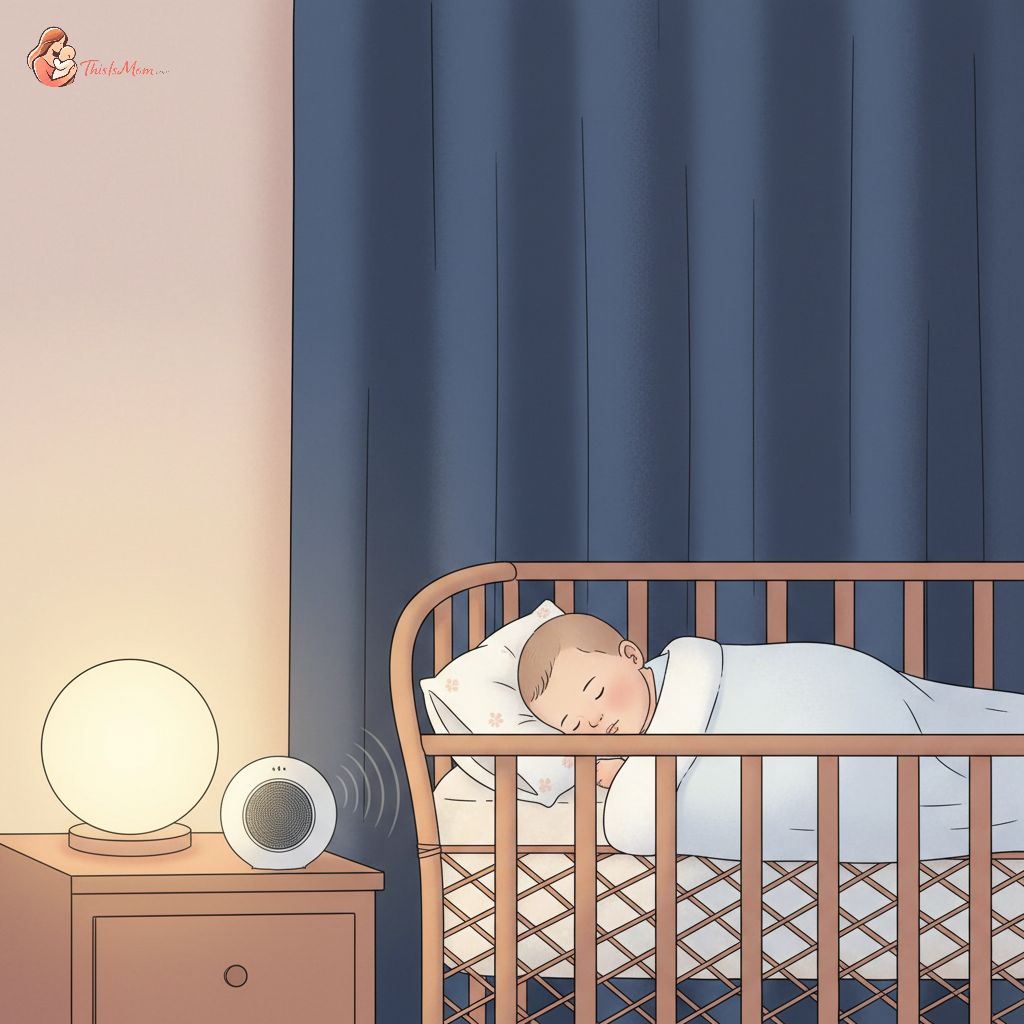
- Darkness: Use blackout curtains to keep the room dark for both naps and nighttime sleep, especially during spring forward when mornings get lighter earlier.
- Cool temperature: Ensure the room is at a comfortable, cool temperature.
- White noise: A white noise machine can help mask household sounds and create a soothing atmosphere.
Maintaining Routines
Consistency is paramount.
- Bedtime rituals: Keep your bedtime routine (bath, book, song) the same, even if the timing shifts.
- Nap schedule: Try to keep nap times consistent with the new schedule as much as possible.
Don't Forget About Naps
Naps are crucial for babies and can be significantly affected by DST.
- Adjust naps gradually: Shift nap times by 15-20 minute increments along with bedtime.
- Naps in the dark: Treat naps like nighttime sleep – ensure the environment is dark.
Prioritizing Parent Sleep
Parental well-being directly impacts your baby's. Recognizing the risks of new parent fatigue while driving is crucial, and managing sleep is a key part of this.
- Nap when baby naps: If possible, rest when your baby sleeps, especially during the initial adjustment period.
- Share the load: If you have a partner, divide night wakings or early morning duties.
Navigating Daylight Saving Time with a baby can be a hurdle, but with a little planning and patience, your baby (and you!) will likely adjust. Remember that every baby is different, and what works for one may not work for another.
As always, if you have specific concerns about your child's sleep or well-being, the best resource is your pediatrician. For new parents, knowing what to pack in a hospital bag for your partner can reduce stress during this adjustment period.