15 Unexpected Costs of a New Baby Beyond the Hospital Bill
Discover the unexpected costs of a new baby beyond the hospital bill, from increased utilities to ongoing supplies. Learn how to budget smart for your new arrival's first year.
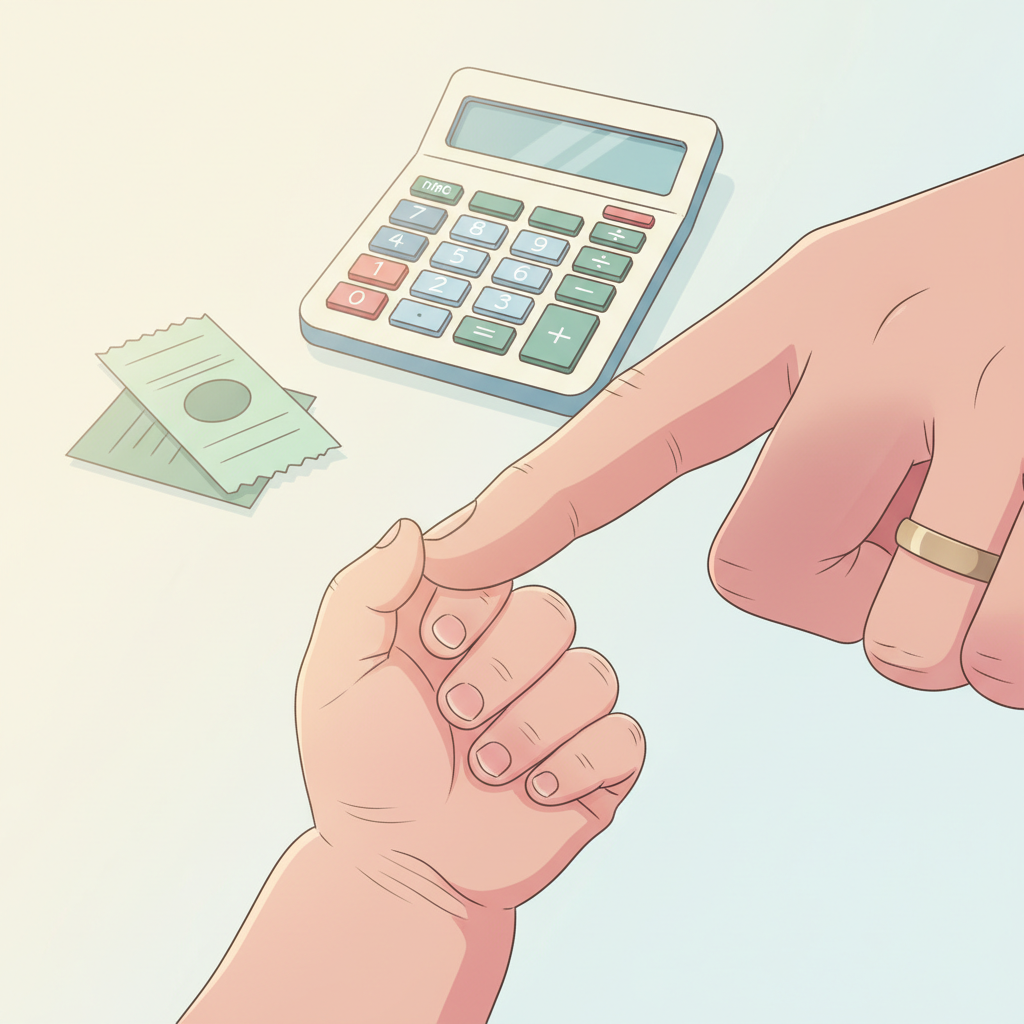
The Real Price of New Parenthood: Unexpected Costs of a New Baby Beyond the Hospital Bill
It was 2 a.m. when I realized the sound wasn’t just white noise anymore. It was Noah, hungry. Again. As I fumbled for the humidifier that was inexplicably on the other side of the room, I remembered my partner asking, "Did you budget for everything?" Honestly, my brain had been so full of birth plans and nursery decor, the actual cost of this tiny human felt like a distant, almost abstract concept.
We all hear about the big-ticket items: the crib, the stroller, the hospital bill. But the truth is, the unexpected costs of a new baby beyond the hospital bill are what really sneak up on you. It's not just the obvious stuff; it's the daily grind, the little purchases that multiply, and the things you never even considered. If you're gearing up for a baby, or already deep in the beautiful chaos, let's talk about the real financial landscape of parenthood.
Beyond the Big Ticket: What Nobody Tells You About Baby Costs
Everyone breaks down the initial gear list: bassinet, car seat, bottles. And yes, those are significant. But they're the predictable expenses. What I hadn't mentally prepared for were the expenses born out of sheer necessity, the things that aren't a one-time purchase but a constant, ongoing need. It's the difference between buying a sofa and realizing you'll need to buy new sofa covers every six months because of, well, accidents.
The standard pregnancy cost breakdowns tend to focus on the physical items and the medical procedures. They miss the lifestyle adjustments, the shifts in your daily consumption, and the emotional labor that, believe it or not, can have a financial ripple effect. It’s like planning a road trip by only counting gas money and forgetting about the hotel stays or the roadside snacks that seem essential at 3 a.m.
The 'Invisible' Costs: Energy Bills, Lost Wages, and More
Your home's new normal involves a baby. And that means more lights on, more laundry, more heating or cooling. Those utility bill increases? They are real. We saw a noticeable jump in our electricity and water usage within weeks. It wasn't groundbreaking, but it was an extra few hundred dollars a month that we hadn't factored into our "baby budget."
Then there’s the real financial impact of parental leave. Many of us go on leave with a reduced income, and for some, especially without robust employer benefits, it can mean significant financial strain. You're not just dealing with the emotional adjustment; you're navigating a new income reality. This is a key part of understanding the real cost of a newborn’s first year.
And childcare. Oh, childcare. If you're not lucky enough to have family help or the ability to stay home, the sticker shock can be intense. We’re talking about one of the largest household expenses for many families, rivaling mortgage payments. It's a mountain even before you've had your morning coffee. It's also worth noting that the costs associated with childcare can be impacted by frequent illnesses, as you may need backup care or face additional expenses.
It's also worth thinking about parental mental health support costs. Postpartum depression and anxiety are real, and sometimes seeking therapy or other forms of support comes with its own price tag, especially if your insurance coverage is limited. Prioritizing your well-being is crucial, and sometimes that means budgeting for professional help. Dealing with postpartum depression can be a significant emotional and financial consideration.
Unexpected Baby Needs: Small Purchases That Add Up Fast
Let's talk about the relentless demand for diapers and formula. This is the ever-present drain. No matter how much you stock up or what brands you choose, it feels like you’re constantly buying them. Overnight, these individual items become a massive monthly expense that no one truly prepares you for. The formula shortage can also add an unexpected financial and emotional burden. Learning about safe formula preparation and storage is also essential and can prevent wastage.
Discover your baby's phase
Then there are the specialized items. You think you're set, and then your baby develops a minor rash, or has a phase of severe colic, or needs specific teething remedies. Suddenly, you're buying creams, special bottles, gas drops, or reflux medication. It’s a constantly evolving list of very specific, often pricey, solutions to very specific, often temporary, problems.
And the wardrobe woes! Babies grow out of clothes SO fast. You buy adorable outfits, and before you know it, they're too small. Hand-me-downs help, but you still end up needing new sizes, weather-appropriate gear, and, of course, the occasional cute onesie you just can't resist. It’s a surprisingly significant, recurring expense.
Finally, the world of subscriptions and apps. Sleep training apps, baby tracking apps for feeding and diapers, subscription boxes for toys or clothes. While they promise to simplify life, these small monthly fees can add up to a substantial amount over the year. And don't forget the costs associated with feeding your baby, whether it's bottles and specialized formula or breastfeeding supplies.
Navigating Medical Bills: What's Actually Covered?
So, about that hospital bill. Do people actually pay the entire hospital bill after having a baby? For many, it's a shock. Even with insurance, the final amount can be daunting. There are often common unexpected birth costs you might see, like charges for a pediatrician’s visit while you're in the hospital, or fees for specific procedures or medications that weren't part of the original plan. For those who have a planned C-section, there can be specific costs and preparations involved too.
Understanding your insurance is key, but it’s a labyrinth. Deductibles, co-pays, and out-of-network surprises can leave you with bills you didn't anticipate. It’s a good idea to review your policy before you give birth, or at least be prepared to spend significant time on the phone with your insurance provider afterwards.
Smart Strategies to Budget for Your New Arrival
Here's the thing: you can prepare for these unforeseen baby expenses. The first step is creating a realistic budgeting for baby beyond hospital bills. Go beyond just gear and diapers. Think about:
- Increased utilities: Add a buffer to your monthly utility estimates.
- Feeding costs: Factor in formula, bottles, or the continued costs associated with breastfeeding supplies.
- Healthcare: Estimate co-pays, potential specialist visits, and prescription costs.
- Clothing: Acknowledge the need for frequent size changes.
- Childcare: This might be the biggest one, so get realistic quotes early. Learning about childcare tax credits, even for things like summer camp, can be helpful for offsetting these costs.
- Miscellaneous: Add a fund for those "just in case" items.
Don’t underestimate the power of secondhand treasures and borrowing options. Cribs, high chairs, and even feeders can be found in excellent condition secondhand. Ask friends and family if they have items they’re looking to part with. Many people are happy to share!
Building an emergency fund for the unforeseen is crucial. This fund isn't just for baby; it's for all life's curveballs. Having a cushion can alleviate so much stress when unexpected costs inevitably pop up. Aim to build this up before the baby arrives if you can.
And when in doubt, it can be incredibly helpful to talk to the experts. Consider consulting a fee-only financial planner who specializes in family finances. They can help you create a solid plan and navigate the complex financial landscape of new parenthood.