Unsolicited Parenting Advice: PPD Strategies for Moms
Navigating unsolicited parenting advice when you're experiencing postpartum depression can be tough. Discover gentle and direct strategies to set boundaries and protect your mental well-being.
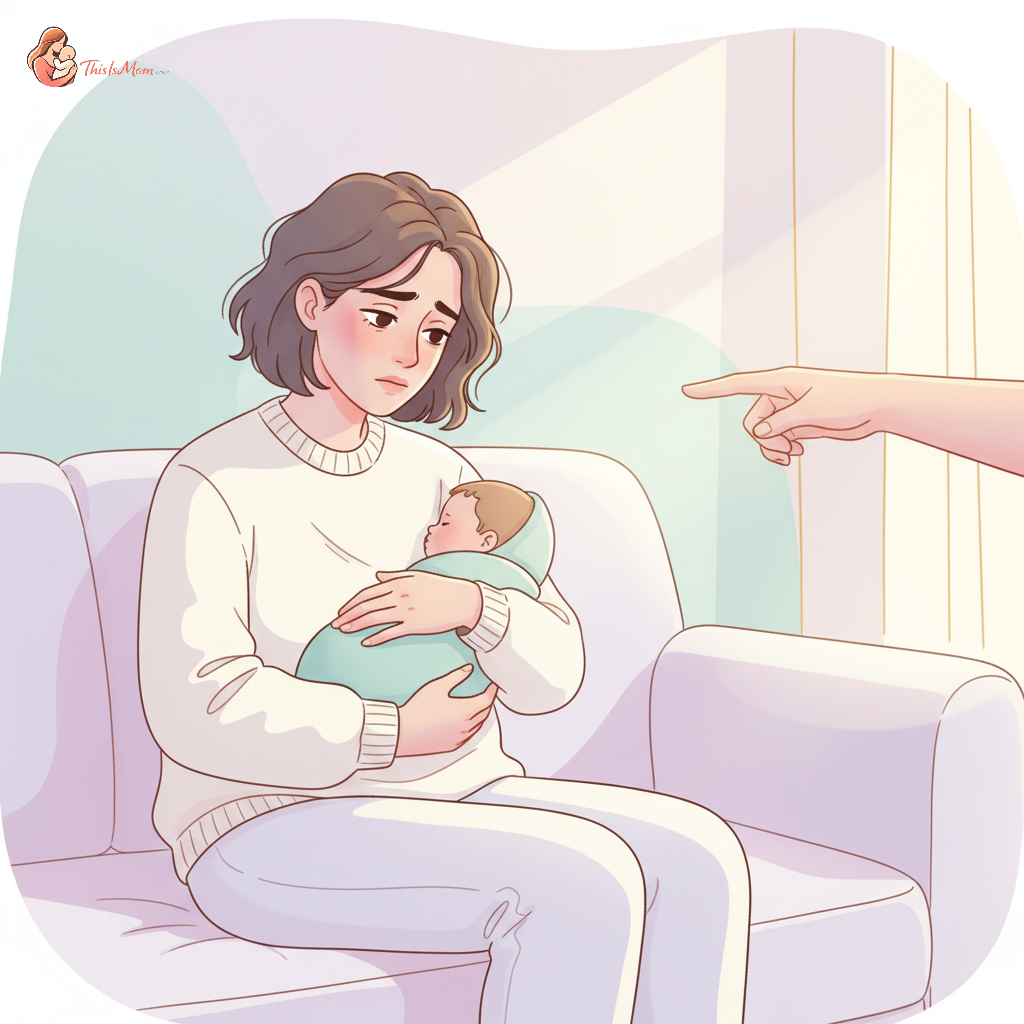
The Minefield of Motherhood: Navigating Unsolicited Advice When You're Deep in the PPD Fog
It was 2:17 a.m. when Noah finally drifted off, his tiny body still against my chest. The only sound was the hum of the refrigerator and the frantic beat of my own heart. I stared at the ceiling, the exhaustion a physical weight, and a familiar dread crept in. It wasn't just about the next feeding or the mountain of laundry. It was the dread of daylight, of the well-meaning calls and texts that would flood in, each one a potential delivery system for advice I didn’t want and certainly didn’t need.
When you’re navigating postpartum depression, even the most innocent comments can feel like accusations. Every suggestion, every "have you tried…," feels like a spotlight on everything you aren't doing right. It’s a minefield out there, and finding strategies for dealing with unsolicited parenting advice when you’re depressed postpartum is less about being rude and more about survival.
When Advice Feels Like Criticism: Understanding PPD's Impact
When you’re in the thick of PPD, your emotional bandwidth is already stretched thin. You’re running on fumes, battling thoughts that whisper you're not enough, that you're failing.
So, when someone pops in with, "Oh, you should really try swaddling him this way," or "Are you sure you're feeding him enough?" it doesn't just land as advice. It lands as confirmation of your deepest fears. It feels like they're seeing your struggle and judging it.
Most people offering advice genuinely think they're helping. They remember what worked for them, or they’ve read something interesting. But they can’t see the PPD fog you’re in. They don’t understand that their words, however kindly meant, can chip away at your already fragile confidence.
Your feelings are completely valid, mama. If someone's "helpful tip" makes you feel smaller, more anxious, or more inadequate, that’s the PPD talking, and it’s telling you to protect yourself.
Setting Boundaries with Grace (and Guts!)
This is where you have to tap into a level of assertiveness you might not have known you possessed. It’s not about being confrontational; it’s about self-preservation.
A simple, gentle deflection can work wonders. Something like, "Thank you for your concern, I’ll keep that in mind," or "We’re trying a few different things right now, but I appreciate you sharing," can be enough to end the conversation without causing offense.
You don't always have to engage deeply. The art of changing the subject is a powerful tool. If someone offers unsolicited advice about sleep training, you can pivot. "That’s interesting. Speaking of sleep, did you see that new show everyone’s talking about?" or "Thanks! Hey, how’s your garden doing this year?"
It feels awkward at first, but it becomes easier with practice. The goal is to redirect the conversation away from your parenting choices and onto safer, neutral territory.
Direct & Kind: When You Need to Be Clear
Sometimes, the gentle approach just isn't enough. You might need to be a little more direct, especially if the advice is persistent or particularly triggering.
Here are a few script ideas that strike a balance between firm and kind:
Discover your baby's phase
- "I appreciate your opinion, but we’ve decided to do it this way for now." This uses an "I statement" and clearly states your decision without needing further explanation.
- "I understand you're trying to help, but right now, what I need most is just your support, not advice. Could you just listen?" This directly communicates your need for emotional presence over input.
- "We’re actually working with our pediatrician on this, and we’re following their recommendations." This creates a professional buffer and subtly shuts down further input.
If you have a partner, absolutely enlist their support. Talk to them about what you’re experiencing and agree on a strategy. They can act as a buffer, gently steering conversations or backing you up when you set a boundary. It’s a team effort.
Protecting Your Space & Energy: Non-Verbal Strategies
Not every interaction needs words. Sometimes, protecting your mental health postpartum is about managing your environment and your energy levels.
- Limit Visits: It’s okay to say, "We’re feeling a bit overwhelmed right now and need some quiet time. Can we schedule a visit for next week?" Or even, "We're not quite ready for visitors yet." Your home is your sanctuary.
- Create Safe Zones: Designate certain areas of your home as PPD-friendly zones where advice is off-limits. This could be your bedroom or a cozy reading nook.
- The "Nod and Move On" Technique: This is the ultimate in low-effort deflection. Nod, offer a brief "hmm," or a quiet "okay," and then immediately shift your focus or body language to signal the conversation is over. It acknowledges they spoke without validating their advice.
When to Lean In: Distinguishing Advice from Support
It’s crucial to remember that not all input is bad. There’s a huge difference between unsolicited opinions and genuine, helpful support.
How do you tell them apart? Ask yourself: Does this feel helpful, or does it feel critical? Is this person offering a solution, or just sharing a judgment?
When you are ready for input, and you know who to trust, be specific about what you need. Instead of saying, "I’m struggling," try, "Could you come over on Tuesday and hold Noah for an hour so I can take a shower?" or "I’m feeling really down today. Could you just text me some funny memes?"
And please, please remember your instincts are powerful. You are your baby’s expert. Trust your gut. If something doesn't feel right for you and your baby, it's okay to disregard it.
Prioritizing Your Mental Health: Beyond the Advice
Navigating unsolicited parenting advice when you're depressed postpartum is just one piece of the puzzle. The bigger picture is your mental well-being. Self-preservation isn't selfish; it's necessary. You cannot pour from an empty cup, and you certainly can't be the mom you want to be if you're drowning in PPD.
Reaching out for professional support is one of the bravest and most important things you can do. Therapists specializing in perinatal mental health understand the unique challenges of new motherhood and PPD. They can provide tools, strategies, and a safe space to process your feelings. 5 Signs You Need a Different PCP for Postpartum Mental Health.
Don't forget about community. Connecting with other moms who have been through or are going through similar experiences can be incredibly validating. Organizations like Postpartum Support International offer resources, helplines, and directories for finding local support groups. You are so, so not alone in this.
This motherhood journey is a marathon, not a sprint, and there will be days when all you can do is put one foot in front of the other. Be kind to yourself. You’re doing a lot better than you think.