Baby Gags on Purees? A 5-Step Guide to Spoon-Feeding
Baby gagging during spoon-feeding purees is normal! Learn to distinguish gagging from choking, get 5 gentle tips to reduce gagging, and know when to see a pediatrician for feeding concerns.
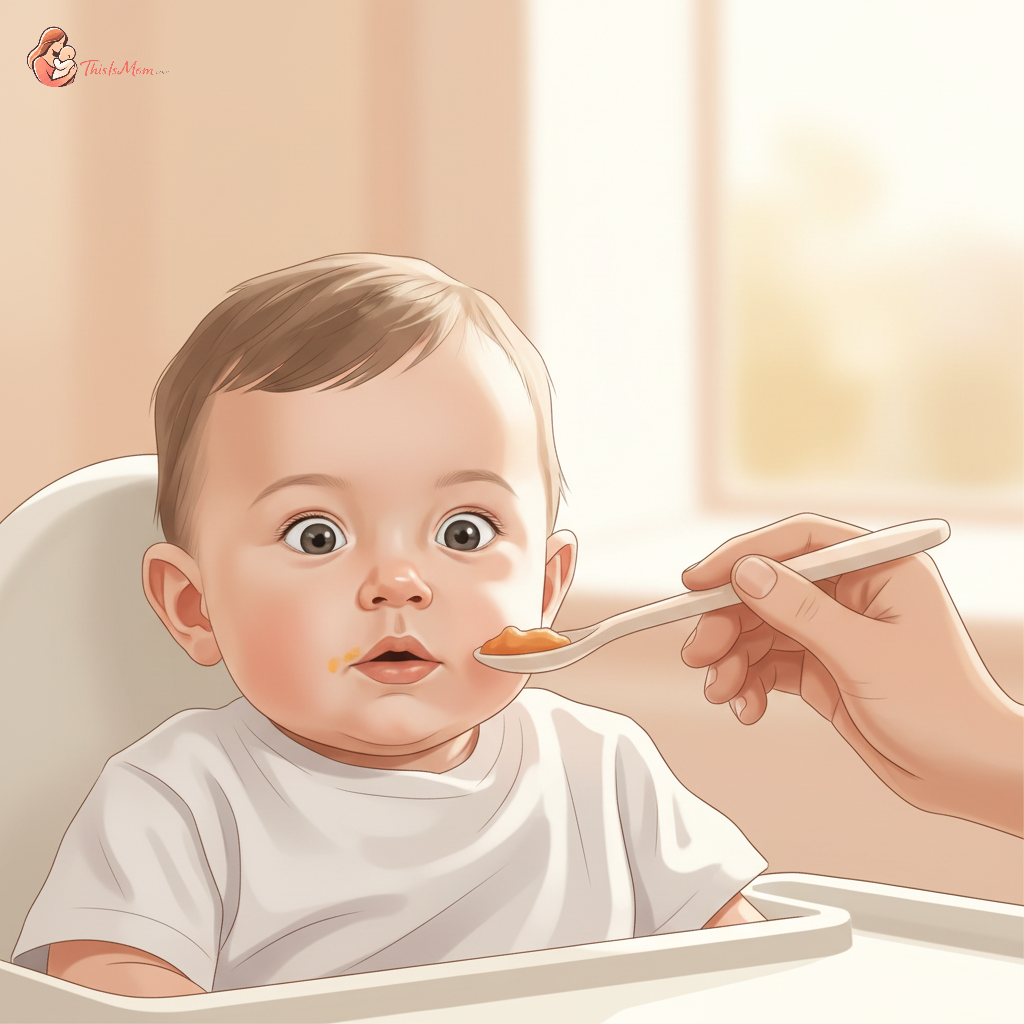
What to Do When Baby Gags During Spoon-Feeding Purees: A Guide
Your baby’s first taste of pureed food is an exciting milestone, often accompanied by slurps, smiles, and sometimes, a sudden, sputtering gag. But what to do when baby gags during spoon-feeding purees? It's a common experience for new parents, and understanding what's happening can ease anxiety and help you navigate this new feeding stage with confidence.
This guide aims to demystify baby gagging, explain the crucial differences between gagging and choking, and offer practical, evidence-based strategies to support your little one as they explore new textures, drawing from recommendations by reputable health organizations like the American Academy of Pediatrics (AAP) and the Centers for Disease Control and Prevention (CDC).
Understanding the Sputter: Is Baby Gagging Normal?
Yes, gagging during spoon-feeding purees is entirely normal for infants. It’s a protective reflex that helps prevent them from swallowing food that is too large or too far back in their mouth. At around six months, babies begin their journey with solids, and their gag reflex is often very sensitive.
The gag reflex is a key part of a baby's oral motor development. It's located further forward on the tongue than in adults, which means they are naturally more likely to gag as they learn to manage food in their mouths. This sensitivity is a sign that their protective mechanisms are working as they should.
Why Babies Gag on Purees: The Sensitive Gag Reflex
A baby's gag reflex is their body's built-in safety system. It's designed to push foreign objects out of the airway. When a baby is learning to eat, their tongue is still developing the coordination to move food around the mouth, mash it, and propel it to the back for swallowing.
Anything that moves too quickly, is too large, or lands too far back on the tongue can trigger this reflex. For many babies, purees, while smooth, can still be a novel sensation and texture that prompts a gag. It’s their way of saying, “Whoa, this is new, and I’m not sure I’m ready for it yet.”
Gagging vs. Choking: Crucial Differences to Know
It's vital for parents to be able to distinguish between gagging and choking, as the appropriate response is very different. Recognizing these distinctions can help you remain calm and act effectively.
While gagging can look and sound alarming, it's typically a reflexive, and often noisy, expulsion of food. Choking, on the other hand, is a silent or near-silent inability to breathe, which is a medical emergency.
Gagging vs. Choking Baby Explained
Gagging is usually characterized by:
- Loud noises (coughing, sputtering, gagging sounds)
- Watery eyes
- The baby actively trying to move the food forward with their tongue
- The baby may retch or vomit
- Breathing is usually maintained, though it might be interrupted momentarily.
Choking is usually characterized by:
- Silence or very quiet, ineffective coughs
- Inability to breathe or cry
- Blue or dusky lips or skin (cyanosis)
- The baby may appear distressed and limp
Can Babies Choke on Pureed Food?
While babies are more likely to gag on purees, it is possible for them to choke on any food, including pureed items if they are presented incorrectly or if the baby has an underlying issue. However, choking on smooth purees is less common than choking on larger pieces of solid food. The primary risk with purees is more often related to the gag reflex being triggered, rather than a complete airway obstruction.
When to Worry: Signs of Actual Choking
If you observe any of the following signs, it indicates your baby might be choking and requires immediate intervention:
- Your baby cannot cough, cry, or make noise.
- Your baby is struggling to breathe or is breathing very shallowly.
- Your baby's skin, lips, or tongue turn blue or dusky.
- Your baby becomes limp or unresponsive.
In these situations, the CDC and AAP recommend performing infant CPR immediately and calling emergency services (911 in the US). Knowing infant CPR is a critical skill for all parents and caregivers.
Gentle Techniques to Reduce Gagging When Spoon-Feeding Purees
The goal is not to eliminate gagging entirely, as it's a natural part of learning to eat, but to help your baby gain confidence and comfort with food textures. Implementing gentle feeding strategies can make a significant difference.
Starting solids is a learning process for both baby and parent. Patience and a supportive environment are key to helping your baby embrace their new culinary adventures.
Tips for Introducing Solids Smoothly
- Start with thinner purees: Begin with very smooth, thin purees (you can add breast milk or formula to thin them) and gradually thicken them as your baby gets more comfortable. The best formula for gas and constipation might be relevant if digestive issues arise.
- Introduce one new food at a time: This helps identify any potential allergies and allows your baby to focus on one new flavor and texture.
- Offer food when your baby is alert: Choose times when your baby is well-rested and happy, not overly tired or hungry, which can increase frustration.
- Create a positive mealtime environment: Keep mealtimes relaxed and enjoyable. Avoid pressure or distractions.
Pace and Portion Control
The speed at which you offer food and the amount per spoonful are critical. These are areas where many parents can make adjustments to help ease gagging.
Discover your baby's phase
- Slow down the pace: Offer the spoon only when your baby opens their mouth or shows interest. Wait for them to swallow fully before offering the next spoonful. This gives them time to process the food.
- Small spoonfuls: Use a baby-specific spoon with a shallow bowl. Don't overfill the spoon, and only place half to two-thirds of the spoonful into your baby’s mouth. The best high chair that attaches to table can make mealtimes easier.
- Aim for the front of the mouth: Try to place the food on the tip of your baby's tongue, allowing them to draw it back themselves, rather than pushing it to the back of the mouth.
Encouraging Self-Feeding
As your baby progresses, allowing them to explore food with their own hands can foster independence and oral motor skills, which can coincidentally help with managing textures.
- Finger foods: Once your baby shows readiness (sitting independently, good head control, diminished tongue-thrust reflex), offering soft, graspable finger foods can be beneficial. This allows them to control the size and amount of food they put in their mouth. You can learn making baby food purees without a blender to prepare these for your baby.
- Spoon manipulation: Even with spoon-feeding, you can let your baby hold the spoon, or a second spoon, during the meal. This allows them to explore the utensil and build familiarity.
When Your Baby Gags: Immediate Steps to Take
When your baby gags, your reaction plays a significant role in how your baby perceives the experience and whether they become fearful of feeding. Remaining calm is paramount.
Remember that gagging is a natural part of the process. Your calm presence can reassure your baby and encourage them to continue exploring.
Staying Calm and Supportive
If your baby gags:
- Stay calm: Your demeanor is contagious. If you panic, your baby will likely become distressed.
- Continue offering quiet encouragement: A soft, "It's okay, you're doing great," can be helpful.
- Let them work it out: Allow your baby to process the gag. They will likely push the food out themselves.
- Wipe their mouth: Once the gag subsides, you can gently wipe their mouth and face.
- Offer them a break if needed: If they seem overwhelmed, take a short pause in feeding or offer them a drink of breast milk or formula.
What to Avoid Doing
There are certain responses that can actually hinder your baby's feeding development:
- Don't quickly pull the spoon out: This can cause food to go further back and trigger a stronger gag or even choking.
- Don't panic or make loud noises: This can frighten your baby and associate feeding with fear.
- Don't force the food: Never try to push more food into their mouth when they are gagging or distressed.
- Don't punish or scold: Gagging is not misbehavior.
Continuing the Feeding Journey
After a gagging episode, if your baby seems to have recovered and is still interested in eating, you can gently offer another small spoonful. This shows them that it's okay to gag and that feeding can continue.
If your baby becomes consistently fearful after gagging, it might be helpful to take a short break from solids for a day or two and then reintroduce them with greater patience and slower pacing. Evidence shows that persistent positive feeding experiences are key to developing healthy eating habits.
Addressing Persistent Gagging or Concerns
While gagging is normal, sometimes parents notice changes or persistent issues. Understanding these nuances can help determine when a conversation with a healthcare professional is warranted.
If you notice your baby suddenly gagging on food they previously managed, or if gagging seems to be a consistent and significant barrier to feeding, it's worth exploring further.
Baby Gagging on Food All of a Sudden
If your baby, who has been eating solids for some time, suddenly starts gagging excessively on purees or foods they previously ate well, consider these possibilities:
- Illness: A mild cold or sore throat can make a baby more sensitive.
- Fatigue: A tired baby might have less coordination.
- New texture: Even a slight variation in puree thickness or a new food can sometimes trigger a stronger gag response.
- Developmental leap: Sometimes, babies go through phases.
Observe for any accompanying symptoms of illness. If the issue persists for more than a few days without a clear reason, it's a good time to consult your pediatrician about daycare sickness if that is a new development or if they seem generally unwell.
When to Consult Your Pediatrician
You should always feel comfortable reaching out to your pediatrician with any concerns, especially if:
- You suspect your baby is choking.
- Your baby is consistently refusing to eat or is losing weight.
- Your baby experiences extreme distress, gagging, or vomiting at every feeding.
- Your baby seems to have difficulty swallowing or coughing extensively during meals.
- You are anxious about feeding your baby and need professional reassurance or guidance.
Pediatricians and registered dietitians specializing in pediatrics can assess your baby's oral motor skills, feeding behaviors, and overall development to offer tailored advice. They can also rule out any underlying medical conditions, such as issues related to formula that might cause digestive upset. If formula feeding is part of your routine, understanding the difference between sensitive and gentle formula can be helpful.
Understanding Developmental Readiness for Solids
The AAP and CDC generally recommend starting solids around six months of age, or when babies show specific signs of developmental readiness. These include:
- Good head and neck control.
- Ability to sit up with support.
- Showing interest in food (e.g., watching you eat, opening their mouth when food approaches).
- Diminished tongue-thrust reflex (they don't automatically push food out with their tongue).
If a baby is introduced to solids before they are developmentally ready, they may struggle more with managing textures and the gag reflex can be more pronounced. Working with your pediatrician ensures you start solids at the optimal time for your unique child.