When Does PPD Anxiety Peak After Childbirth? A Guide
Uncover when PPD anxiety often peaks after childbirth (3-6 months postpartum) and understand the signs. Learn how to distinguish intense anxiety from normal worries and find crucial support.
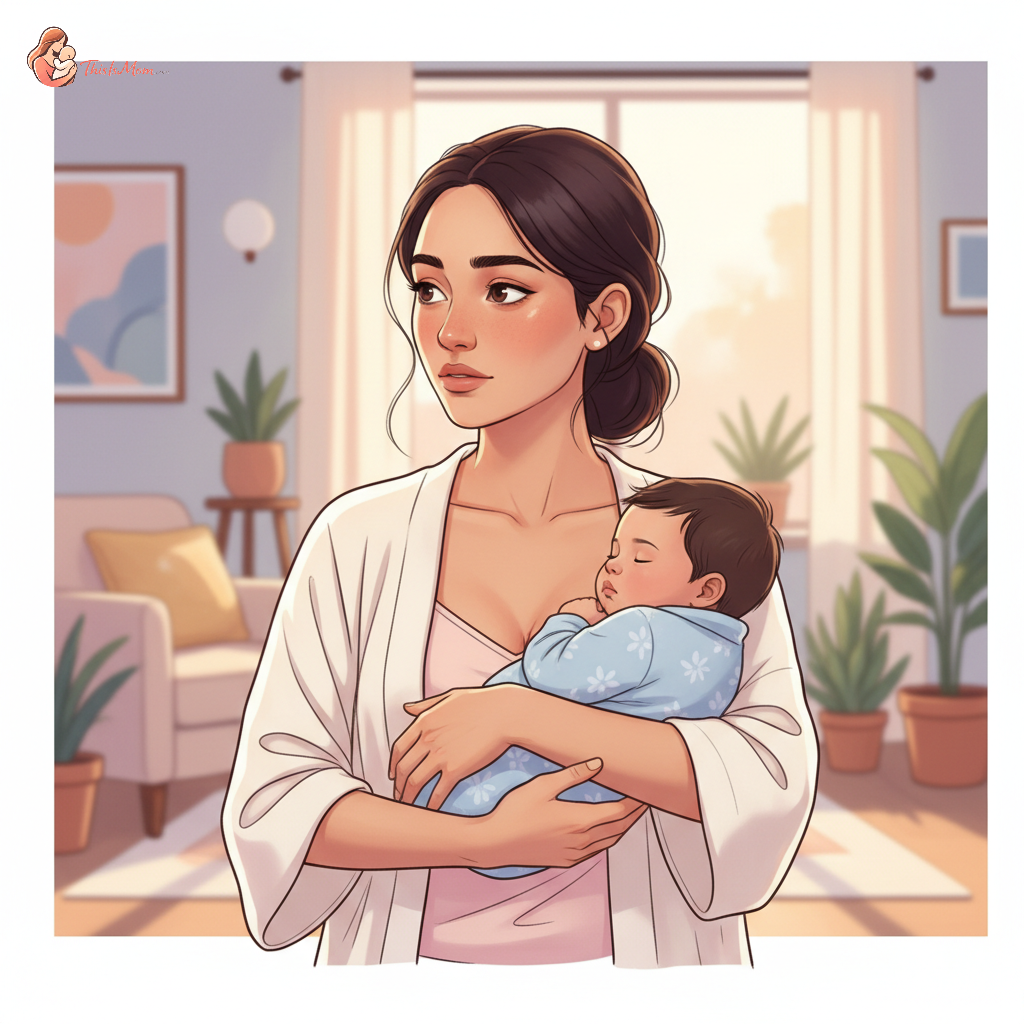
When Does PPD Anxiety Peak After Childbirth? The Real, Unfiltered Truth
It was 2:00 a.m., and the silence was deafening. My newborn was finally asleep, a warm weight on my chest, his tiny breaths a soft rhythm against my own ragged ones. But my mind? My mind was racing. I was replaying every single decision I’d made since his birth, convinced I’d somehow messed up, that I’d missed a sign. This gnawing feeling, this constant hum of dread, was overwhelming. So many moms reading this get it. The sheer intensity of the worry after childbirth can be terrifying, and you’re probably wondering when does PPD anxiety peak after childbirth.
Honestly, I had no idea what I was getting into. The books, the classes, they prepare you for the sleepless nights and the diaper blowouts, but they don’t always fully capture the emotional rollercoaster. Especially the anxiety. It felt like my brain had been hijacked, and I was just along for the ride. If you’re in the thick of it, feeling that intense anxiety, know you are absolutely not alone.
What's Brewing: Understanding PPA and PPD
Let's break down these terms that get tossed around so much. It’s easy to lump them together, but understanding the nuances can be helpful.
What's the Difference Between PPA and PPD?
Think of Postpartum Depression (PPD) and Postpartum Anxiety (PPA) as two related but distinct storm clouds rolling in after your baby arrives. PPD often manifests as overwhelming sadness, emptiness, and a lack of interest in things you once enjoyed, coupled with fatigue and changes in appetite or sleep.
PPA, on the other hand, is characterized by excessive worry, intrusive thoughts, panic attacks, and a constant state of hypervigilance. Many moms, myself included, experience a blend of both. You might feel crushing sadness one moment and then be paralyzed by worry about your baby’s breathing the next.
Why Postpartum Mental Health is More Than Just 'Baby Blues'
The "baby blues" are those fleeting moments of mood swings, tearfulness, and feeling overwhelmed that many mothers experience in the first week or two after birth. They’re generally mild and pass on their own. Baby blues week by week: when postpartum emotions peak is a great resource for understanding the timeline.
But PPD and PPA are different. They are more severe, last longer, and can interfere with your ability to care for yourself and your baby. Research suggests that while baby blues are super common, PPD and PPA affect a significant number of birthing parents. It’s not just a bad mood; it's a serious mental health condition that needs attention and care.
The Emotional Hangover: The Typical PPA/PPD Timeline
One of the hardest parts about navigating postpartum mental health is the uncertainty. When does it start? When does it get better? And most importantly for those in the trenches, when is the peak?
The First Few Weeks: A Whirlwind of Emotions
The immediate postpartum period is a blur. Your body is healing, you’re learning a new human, and your hormones are doing a frantic dance. Many moms report feeling a surge of anxiety in these initial days and weeks, sometimes referred to by some experts as an early onset or a preliminary rise in postpartum anxiety symptoms. This can be a mix of the normal, intense adjustment and the beginnings of something more.
When is Postpartum Anxiety Highest?
The truth is, there’s no single answer because every mom’s journey is unique. However, many experts and anecdotal evidence point to a common window when postpartum anxiety is highest. For many, this peak often occurs between three and six months postpartum. This is when the initial intense rush of newborn care might have settled slightly, but the reality of long-term parenting, sleep deprivation, and the immense responsibility can really sink in.
For me, that three-month mark felt like a significant tipping point. The novelty had worn off, and the sheer, never-ending nature of being a mom started to feel incredibly daunting.
Is Postpartum Anxiety Worse at 3 Months?
Yes, for many, the postpartum anxiety timeline shows a definite intensity around the three-month mark. This is often when the baby's needs become more demanding, their wake windows increase, and the support systems that were strong in the first few weeks might start to wane. The sleep deprivation is still very real, and the pressure to feel "back to normal" or like a "good mom" can amplify anxious thoughts.
It’s like a slow build-up. The initial shock gives way to persistent worry, and then, for some, it really solidifies into a difficult peak around this time.
Spotting the Peak: How PPA Anxiety Manifests
When anxiety is at its peak, it can feel all-consuming. It’s not just regular worrying; it’s a level of distress that can make daily life feel impossible.
Discover your baby's phase
Common Signs and Symptoms of Peaking Anxiety
- Intrusive thoughts: Unwanted, disturbing thoughts that pop into your head, often related to harm coming to your baby.
- Constant worry: An overwhelming and persistent sense of dread about your baby’s health, safety, or your ability to care for them.
- Panic attacks: Sudden episodes of intense fear that can include heart palpitations, shortness of breath, dizziness, and a feeling of losing control.
- Hypervigilance: Being constantly on high alert, scanning for danger, and having trouble relaxing.
- Irritability and mood swings: Easily agitated, snapping at loved ones, and experiencing rapid shifts in emotion.
- Physical symptoms: Headaches, nausea, muscle tension, fatigue, and difficulty sleeping (even when the baby is asleep).
Distinguishing Intense Anxiety from Normal New Parent Worries
This is a tough one. Every new parent worries. It’s part of the job description. You worry if the baby is breathing, if they’re eating enough, if you’re doing it all right.
The key difference lies in the intensity, frequency, and impact of the worry. Normal new parent worries can usually be calmed with reassurance or a brief distraction. PPA anxiety, especially at its peak, is often persistent, consuming, and intrudes on your ability to function. If the worry is overwhelming, leads to panic, or stops you from enjoying moments with your baby, it's likely more than just typical new parent jitters. Learning how to encourage pre-verbal toddlers to point for communication can be a helpful distraction or require focus when you feel overwhelmed.
How Long Does Postpartum Anxiety Last? What to Expect
The duration of postpartum anxiety is as varied as the moms who experience it. There’s no magic switch that turns it off after a set period.
Factors Influencing the Duration of PPA Symptoms
Several things can play a role in how long PPA symptoms might linger:
- Severity of symptoms: More intense or prolonged periods of anxiety might take longer to resolve.
- Access to support: Having a strong support system (partner, family, friends) and seeking professional help can significantly shorten the duration. Discussing birth preferences with a skeptical medical team can be a hurdle to getting support if you feel unheard.
- Underlying conditions: Pre-existing anxiety disorders or previous mental health struggles can sometimes influence the length of PPA.
- Life stressors: Additional life pressures beyond new parenthood can prolong the recovery period.
- Self-care: Prioritizing rest, nutrition, and opportunities for breaks, however small, can aid recovery. Sometimes finding time for yourself is as simple as ensuring your baby naps well. If your baby only naps 30 minutes, find out how to extend their sleep.
Can Postpartum Anxiety Last for Years?
While PPA symptoms often begin to improve within the first year postpartum, especially with treatment, it is possible for some symptoms to persist longer. For some individuals, postpartum anxiety can fade into generalized anxiety that may require ongoing management.
The good news is that even if symptoms persist, treatment and support can make a significant difference in managing them and improving your quality of life. It’s rare for it to remain at its most intense peak state indefinitely, especially with intervention.
When to Reach Out: Getting Support for PPA and PPD
Please hear this: asking for help is not a weakness. It is one of the strongest, bravest things you can do for yourself and your family. You don't have to suffer in silence.
Who to Talk To: Pediatricians, Therapists, and Support Groups
- Your Pediatrician: They are often the first point of contact. They can screen for PPD/PPA, offer initial guidance, and make referrals.
- Your OB/GYN: Your doctor can also help assess your mental health and connect you with resources.
- Therapists/Counselors: A mental health professional specializing in perinatal mood disorders can provide therapy, coping strategies, and support. Cognitive Behavioral Therapy (CBT) and Interpersonal Therapy (IPT) are often recommended.
- Support Groups: Connecting with other moms who understand what you're going through can be incredibly healing. Online and in-person groups offer shared experiences and a sense of community.
- Your Partner/Trusted Friends/Family: Lean on your support system. Sometimes just talking about what you’re feeling can relieve some pressure. If you're finding it hard to leave your child with a babysitter, understanding coping with separation anxiety can help.
Resources for US Parents
Navigating the system can feel daunting, but there are fantastic resources available:
- Postpartum Support International (PSI): They offer a helpline, online support groups, and a directory of local resources.
- The American Academy of Pediatrics (AAP): They provide information for parents on postpartum mental health and advocate for screening. Explaining AAP screen time limits to your 3-year-old might come up as a concern.
- The Centers for Disease Control and Prevention (CDC): The CDC offers extensive information on maternal mental health, including statistics and resources.
- Your Insurance Provider: Many insurance plans cover mental health services. Check your benefits or call your provider.
It took me a while to reach out, convincing myself I was just tired or that it would magically disappear. It didn't. But when I finally talked to my doctor and found a therapist, it felt like a lifeline. The anxiety didn't vanish overnight, but I started to get tools, understanding, and hope back.
For anyone reading this in the quiet hours, feeling that familiar dread, remember that this intense period is not your forever. You are navigating one of the most challenging, beautiful transitions of life, and it's okay to need a map, a guide, or a helping hand. You are doing so much better than you think.