Encourage Independent Play for a Clingy Toddler: 10 Tips
Is your toddler always at your side? Learn effective strategies and gentle tips to encourage independent play, foster confidence, and create a calm home environment for both of you.
My Toddler Won't Leave My Side: How to Encourage Independent Play (Without Losing Your Mind)
It was precisely 8:17 AM, and Noah, my sweet, perpetually attached 9-month-old, was currently using my leg as a climbing wall. Again. My coffee had gone cold an hour ago, and I was pretty sure a small civilization of dust bunnies was thriving under the couch. It’s moments like these, when you’re basically a human jungle gym, that you start wondering: how do I get my clingy toddler to play independently?
Real talk: I had no idea. I figured if I just put him down with some toys, he’d naturally start entertaining himself. Turns out, not so much. This desire to help him grow and explore while also, you know, showering occasionally, led me down a rabbit hole of what works and what definitely doesn't when it comes to fostering independent play for a clingy toddler. If you’re feeling a little… stuck… to your little one, you’re not alone.
Why is My Toddler So Attached? (Spoiler: It’s Probably Not About You)
First off, let's just get this out of the way: clingy behavior is a totally normal part of toddler development. My pediatrician put it best – it's like their little internal compass is still calibrating, and you, Mom (or Dad, or caregiver), are their secure home base.
There are phases where this is amplified. Think about major milestones like starting daycare, a new sibling arriving, or even just a change in routine. These can trigger a temporary increase in wanting to stay close. It’s their way of seeking comfort and reassurance in a world that suddenly feels a bit bigger.
Now, if the clinginess is paired with sudden, extreme distress, significant changes in eating or sleeping, or seems completely out of character and persistent, it’s always worth a gentle chat with your pediatrician. They can help rule out any underlying issues and offer tailored advice. But for most of us? It’s a phase, and a solvable one.
Setting the Stage for Solo Adventures (It’s Easier Than You Think)
Creating an environment where independent play can blossom is more about intention than grand gestures. Think of it as subtly nudging them toward exploration, rather than demanding it.
A 'Yes' Space for Little Explorers
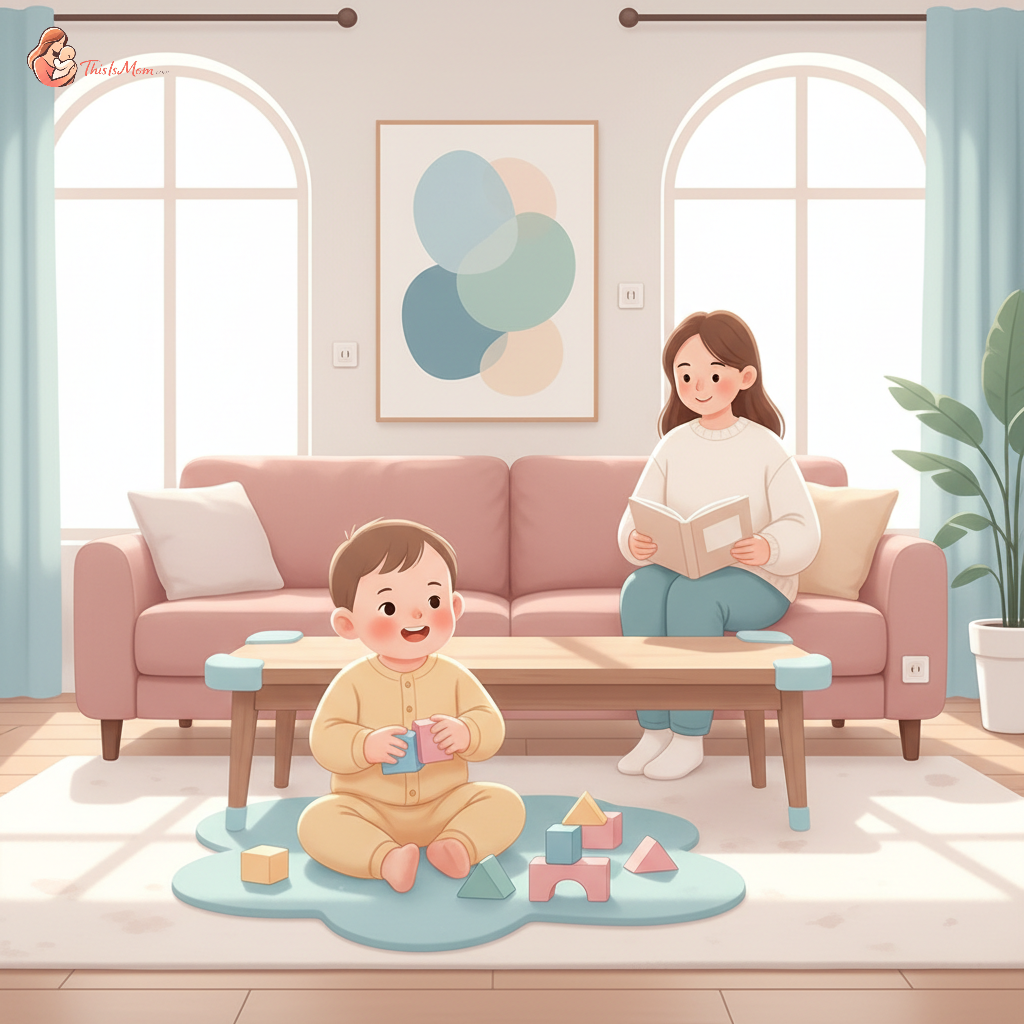
This is crucial. Before you can even think about them playing alone, their environment needs to be safe. Do a quick sweep of the main play areas. Are choking hazards removed? Are outlets covered? Are heavy furniture pieces secured? Once you’ve got your ‘yes’ zone, kids feel more confident to explore because they (and you) know it’s safe.
The Magic of Toy Rotations
My living room used to be a toy explosion. It was overwhelming for Noah, and honestly, for me too. The sheer volume meant nothing held his attention for long. We started a toy rotation system. We put about half of his toys away in bins, rotating them every week or two. Suddenly, the toys he did have felt new and exciting again. Less clutter, more engagement. This is a game-changer for encouraging independent play, especially for a two-year-old who might be getting bored easily.
Timing is Everything
When do you try to encourage independent play? Often, it’s when they are naturally feeling settled and content. Maybe after a good nap, or a snack, or during a time when they're already showing signs of wanting to engage with toys on their own. Trying to force it when they’re overtired or hungry is a recipe for disaster. It’s about being attuned to their cues.
Tiny Steps Towards Big Independence (For My Very Attached Toddler)
Okay, so you’ve got the environment ready. Now what? You don't have to go from zero to sixty. The key is to start small and build from there.
The Power of a Few Minutes
Seriously, just 5 minutes. Set a timer. When he’s happily playing with something, tell him, "Mommy is going to sit here and read for 5 minutes while you play." Make sure you’re visible and available, but don’t hover. When the timer goes off, celebrate! "Wow, you played so nicely for 5 minutes!" This positive reinforcement makes a big difference. Gradually increase the time as they get more comfortable.
The "Parent as a Base" Technique
This is where you’re present, but not participating. Have them play in the same room as you. You can be folding laundry, working on your laptop, or scrolling on your phone (within reason, of course!). Your presence is the safety net, but they are still the ones directing their own play.
As they get more confident, you can try playing in a room adjacent to you. Maybe you’re in the kitchen making dinner, and they’re in the living room with the door open. This gradual distancing helps them learn they can be okay without you right there.
Discover your baby's phase
Celebrate the Effort
It’s so easy to focus on whether they played for a long time or if the play was "good." But for a clingy toddler, the act of playing independently, even for a moment, is a huge win. Praise their effort: "I love how you're stacking those blocks!" or "You're really focused on that puzzle!" This encourages them to keep trying.
Helping Your Clingy Kiddo Bloom
Fostering independence isn't just about play; it's about empowering them in small ways throughout the day.
Choices, Choices, Choices
Toddlers crave control. Giving them simple choices can boost their confidence and willingness to do things on their own. "Do you want to wear the blue shirt or the red shirt?" "Would you like to play with the cars or the dolls?" When they feel they have agency, they often feel more secure and less anxious about being separated from you.
Navigating Separation Jitters
This is common when you’re trying to encourage independent play for an 18-month-old or an emerging two-year-old. If they start to protest or get anxious when you suggest they play alone, acknowledge their feelings: "I know you want me to play with you, and I will in a little bit. Right now, it's playtime for you."
Sometimes a special toy or a "hug goodbye" before you step away can help. The key is to be consistent and reassuring. If they do indeed get upset and can't settle, it's okay to rejoin them briefly, then try again later. We're building trust here. Knowing when to consult a pediatrician about developmental milestones such as 18-month-old not pointing is also key, as communication delays can sometimes manifest as clinginess.
The Steadfastness of Boundaries
This might sound counterintuitive, but consistent boundaries actually help toddlers feel more secure, which in turn can foster independence. Knowing what to expect, even for short periods of independent play, reduces anxiety. This means, for example, letting them know when you will be back, and then following through. This builds their trust in your reliability, making it easier for them to feel safe exploring on their own.
When the Independent Play Plan Hits a Snag
Look, it’s not always sunshine and uninterrupted solo play. There will be bumps.
- When they want to be your shadow: Some days, no matter what you try, they just want to be glued to your hip. It’s okay to take a step back and just be present. Maybe this is a day for more co-play. Don't beat yourself up over it. Tomorrow is a new day.
- The dreaded "I'm bored!": This is universal! "I’m bored!" often means "Entertain me!" Try to resist the urge to jump in and fix it immediately. Instead, offer a gentle prompt: "What could you build with those blocks?" or "Did you see that interesting shape in the rug?" You can also remind them of the toys available. Sometimes, boredom is the precursor to creativity.
- Age considerations:
- 18 months to 2 years: Focus on very short bursts and parallel play (playing near you). Simple puzzles, stacking cups, and soft blocks are great. If your toddler refusing previously loved textures at this age, it can sometimes be related to sensory processing that also impacts their desire for independent play.
- Two and three years old: They can handle slightly longer periods. Introduce imaginative play with dolls, cars, or play kitchens. Offering choices becomes more impactful. At this age, managing picky eating where a toddler only eats sugary cereals can also be a challenge affecting their overall behavior and willingness to engage in other activities.
- Three and four years old: They’re often ready for more complex play scenarios like building forts, dress-up, or engaging with art supplies. They can also understand the concept of "Mommy has to do X for 15 minutes." Introducing limits, like for screen time limits, can also be managed more effectively at this age.
Embracing This Whole Messy Journey
Fostering independence isn't just about play; it's about empowering them in small ways throughout the day.
Toast to Small Victories
Did they play independently for 7 minutes instead of 5? High five! Did they only follow you into the bathroom once today? Score! These small wins are the building blocks of bigger independence. Acknowledge them, even if it’s just a quiet internal cheer.
They're Little Humans, Not Robots
Every child is different. Some kids are naturally more independent, while others need more time to feel secure. What works for one child might not work for another. Pay attention to your child's unique personality and adjust your strategies accordingly.
When to Bring in the Experts
If you’ve tried a variety of strategies, been consistent, and your toddler’s clinginess is causing significant distress for them or you, or if you have any nagging concerns about their development or anxiety levels, please don't hesitate to reach out to your pediatrician. They are a wonderful resource and can offer personalized guidance.