Baby Hates Sleep Sack But Cold? Safe Footie Pajama Solutions
Is your baby refusing their sleep sack but still gets cold at night? Discover safe layering tips and alternatives for comfy footie pajamas to keep them warm.
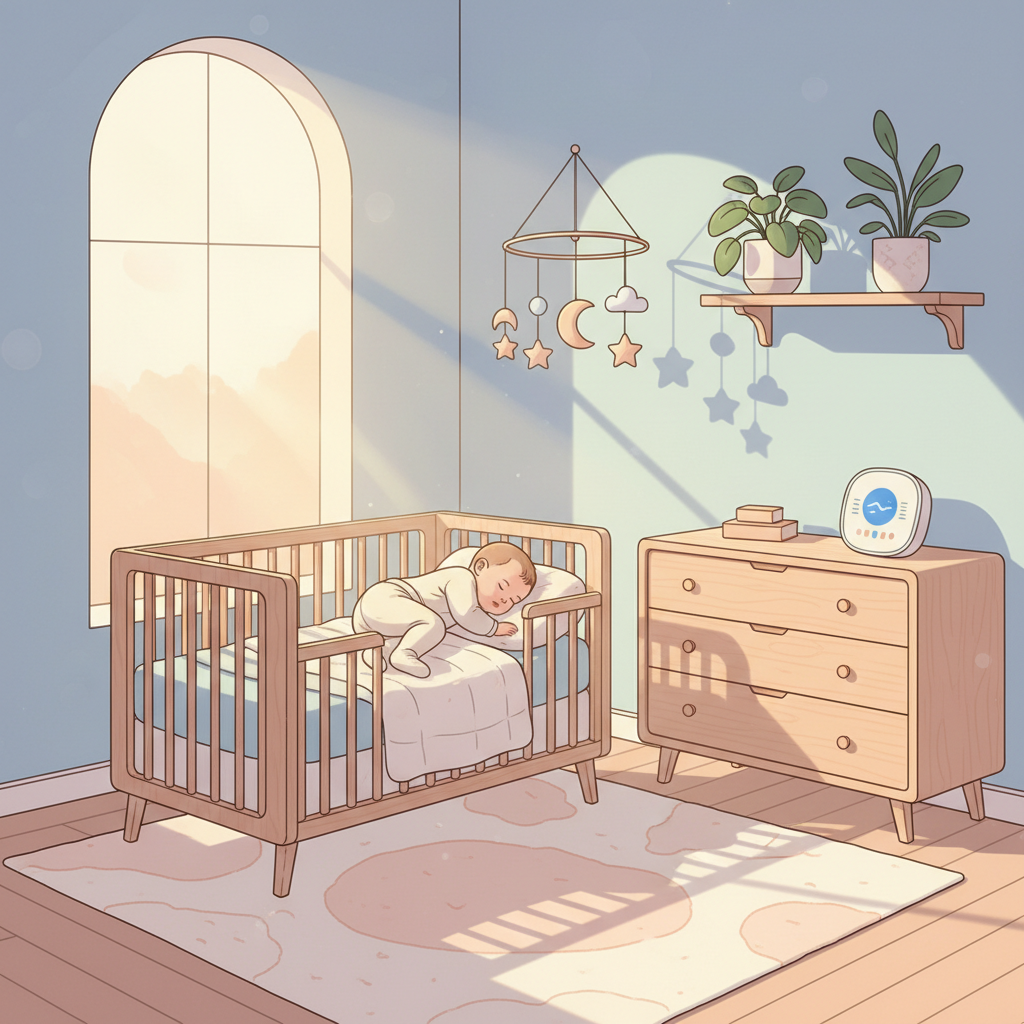
Baby Hates Sleep Sack But Still Cold at Night? Safe Sleep Layering Solutions
Is your baby resisting their sleep sack, yet the nights are getting colder? This common dilemma leaves many parents wondering if footie pajamas alone are enough to keep their little one warm and safe. As a mom who's consulted guidelines from organizations like the American Academy of Pediatrics (AAP) and the Centers for Disease Control and Prevention (CDC), I understand the need for clear, evidence-based answers. Let’s explore how to keep your baby cozy and safe when they reject the standard sleep sack.
Finding the "Just Right" Sleep Environment
Optimal sleep for any baby begins with their environment. While we can't control the weather outside, we can aim for ideal conditions within the nursery.
The Ideal Nursery Temperature
The AAP recommends an optimal room temperature for infant sleep, emphasizing a range that promotes comfort without increasing the risk of overheating. The general guideline is to keep the room between 68°F and 72°F (20°C to 22.2°C). This "sweet spot" allows babies to be dressed appropriately for sleep without needing excessive layers or heavy blankets, which are against safe sleep recommendations. For advice on adjusting your baby's sleep schedule to temperature changes, consider how to prepare baby for daylight saving time sleep changes: guide.
Why Sleep Sacks Reign Supreme (and Why Babies Rebel)
Sleep sacks, often called wearable blankets, are a mainstay in safe sleep recommendations because they eliminate the risk of loose bedding. Loose blankets, sheets, and pillows pose a suffocation hazard for infants. Sleep sacks provide warmth without these dangers.
However, some babies have strong preferences. They might feel restricted, dislike the fabric's sensation, or find them too warm or too cool depending on the TOG rating. If your baby is actively fighting their sleep sack, finding a safe alternative that respects their individual needs is crucial. This is particularly important if your baby experiences a stuffy nose disturbing sleep, as comfort is key for restful nights.
When Footie Pajamas Need an Extra Layer
For many nights, footie pajamas are perfectly sufficient, especially within the "sweet spot" nursery temperature range. But when the room dips lower, or your baby consistently feels cooler, you might need to add a layer.
The Telltale Signs: Is Baby Too Hot or Too Cold?
The most reliable way to gauge your baby’s temperature is not by feeling their hands or feet, which can often feel cooler than their core. Instead, feel the back of their neck or their chest.
- Too Hot: If their skin feels sweaty or clammy, they are likely too warm. Other signs include flushed cheeks, rapid breathing, or heat rash.
- Too Cold (or Just Right): If their skin feels cool to the touch, they might be chilly. If it feels neutral and dry, they are likely comfortable.
Research indicates that a baby who is too warm is at a higher risk of overheating, a factor in Sudden Infant Death Syndrome (SIDS). Therefore, prioritizing a cool environment and adjusting sleepwear accordingly is crucial for safety. It's also important to distinguish between regular baby blues and more serious postpartum depression & PPA symptoms, ensuring overall well-being.
Smart Layering Beneath Footie Pajamas
If footie pajamas alone aren't keeping your baby warm enough, the AAP recommends adding layers cautiously. A safe approach is to dress your baby in a simple, snug-fitting cotton onesie or long-sleeved shirt underneath their footie pajamas.
This base layer adds warmth without adding bulk that could interfere with sleep or pose a safety risk. Always ensure that any underlayers are made of breathable, natural fibers like cotton, especially if you are concerned about overheating.
Deciphering TOG Ratings
When selecting sleepwear, you'll often encounter TOG (Thermal Overall Grade) ratings, a measure of thermal insulation. Higher TOG ratings indicate warmer garments.
- 0.5 TOG: Suitable for very warm environments (above 75°F or 24°C).
- 1.0 TOG: For mild temperatures (68-75°F or 20-24°C).
- 2.5 TOG: For cooler temperatures (61-68°F or 16-20°C).
- 3.5 TOG: For very cold temperatures (below 61°F or 16°C).
A standard sleep sack might be around 1.0 TOG or 2.5 TOG. If your baby rejects a 2.5 TOG sleep sack but still feels cool in just footie pajamas within the recommended temperature range, consider sleepwear with a slightly higher TOG rating for their base layer, or explore alternative sleep sack options.
Alternatives for the "Sleep Sack Skeptic" Baby
If your baby simply will not tolerate a traditional sleep sack, there are still safe and effective ways to ensure they stay warm through the night.
Exploring Wearable Blankets and Transitional Options
Many brands now offer alternatives to the standard sleep sack, designed to offer warmth and security in different ways. These include:
Discover your baby's phase
- Transitional Sleep Sacks: Some sleep sacks have a more fitted design or are made from different materials like bamboo or merino wool, which can feel less restrictive. For babies who are transitioning, learning how to gentle sleep training for a 6-month-old still night feeding once can also be helpful.
- Wearable Blankets with Sleeves: Brands like Woolino offer sleep bags made from merino wool that adapt to a wide range of temperatures and have sleeves, which some babies find more acceptable.
- Footed Sleepers (with caution): While not a sleep sack substitute, very warm, footed sleep suits might be an option for older babies who have outgrown the need for a crib tent and are not rolling yet, provided they fit snugly and have no overheating signs. The CDC advises against loose bedding, so ensure anything your baby wears is a snug fit.
When exploring these, always prioritize snug-fitting garments made of breathable materials. The goal is to emulate the safety of a sleep sack without the bulk or restriction your baby might be reacting to.
The Role of Fabric in Warmth
The type of fabric used in your baby's sleepwear plays a significant role in temperature regulation.
- Cotton: Breathable and soft, good for moderate temperatures.
- Flannel: Warmer than standard cotton, excellent for cooler nights.
- Merino Wool: Naturally temperature-regulating, moisture-wicking, and soft against the skin. It can keep babies warm without overheating.
- Bamboo: Known for its softness and breathability, often used in lighter TOG sleepwear but can also be blended for added warmth.
Choosing sleepwear made from these materials can help your baby stay comfortable. For instance, a long-sleeved bamboo or merino wool sleeper worn under footie pajamas can provide substantial warmth.
What to Wear to Sleep Based on Room Temperature
This chart, based on general guidelines, can help you decide on sleepwear layers, assuming a nursery temperature between 68°F and 72°F (20°C to 22.2°C) is your goal. Always adjust based on your baby’s individual comfort and add or remove layers as needed.
| Room Temperature | Base Layer (Optional) | Sleepwear (e.g., Footie Pajamas) | Outer Layer (If Needed) |
|---|---|---|---|
| Above 75°F (24°C) | Bare or light cotton onesie | Lightweight cotton sleeper | None |
| 72-75°F (22-24°C) | Cotton onesie | Standard cotton footie pajamas | None (check baby for signs of overheating) |
| 68-71°F (20-22°C) | Long-sleeved cotton onesie | Standard footie pajamas | A light, breathable sleep sack (around 1.0 TOG) or warm sleeper |
| 61-67°F (16-19°C) | Long-sleeved cotton/flannel | Warmer footie pajamas (flannel) | A warmer sleep sack (around 2.5 TOG) or a footed sleeper |
| Below 61°F (16°C) | Two thin layers | Very warm footed sleeper | Consider a heavy TOG sleep sack (3.5 TOG) or room heater |
Always err on the side of caution and check your baby's temperature on their neck or chest before deciding on the final layer.
Tweaking the Nursery for Cozy Winter Nights
Sometimes, the solution isn't just about what your baby wears, but also about optimizing their sleep environment, especially during colder months.
Preparing the Nursery for Cold Weather
Ensure no drafts are entering the room. Check around windows and doors. While avoiding overheating is paramount, a consistently cold room can disrupt sleep. If your home tends to be cool, consider where the crib is placed—away from exterior walls or drafty spots.
Using a room thermometer can be incredibly helpful for maintaining that ideal temperature range consistently. This takes the guesswork out of adjusting layers.
Balancing Warmth and Avoiding Overheating
It's essential to reiterate the risks associated with overheating. The AAP strongly advises against using crib bumpers, heavy blankets, quilts, or too many layers of clothing, as these can impede airflow and increase SIDS risk.
Always choose breathable fabrics and snug-fitting sleepwear. The goal is to provide warmth without compromising safety. If you're using a sleep sack alternative, ensure it's designed for infant sleep and meets safety standards. When in doubt about the number of layers, it’s generally safer to have one less layer and check your baby's temperature.
When to Seek Professional Guidance
As parents, we're attuned to our children's cues. If sleep challenges persist, it’s always wise to consult with your pediatrician.
Noticing Sleep Disruption Due to Temperature
If your baby is waking frequently, seems fidgety, or you observe signs of discomfort (sweating, or conversely, feeling very cold) despite your best efforts with sleepwear and room temperature, it's time to discuss it. Poor sleep quality, regardless of the cause, can impact your baby’s development and your family’s well-being. Persistent issues might warrant a conversation about their sleep habits, especially if they are struggling with nighttime feeds, such as when considering gentle weaning from overnight breastfeeds for an older toddler.
Persistent Sleep Challenges
There can be many reasons why a baby struggles with sleep, and temperature is just one factor. Persistent issues might warrant a conversation with your pediatrician about sleep habits, developmental leaps, or other potential underlying causes. They can offer personalized advice and rule out any medical concerns. Remember, your pediatrician knows your child best, and they are your most trusted resource for specific health and sleep advice.
Navigating infant sleepwear is a journey, and finding the right balance between safety, comfort, and warmth can take trial and error. By understanding the guidelines and observing your baby’s cues, you can create a sleep environment that promotes peaceful nights for everyone. Always trust your gut, and when in doubt, reach out to your pediatrician.