BLW Food Reactions: 12 Baby Allergen Exposure Signs
Learn to identify signs of allergen exposure in baby-led weaning food reactions. This guide covers mild to severe symptoms, when to act fast, and how to safely introduce common allergens.
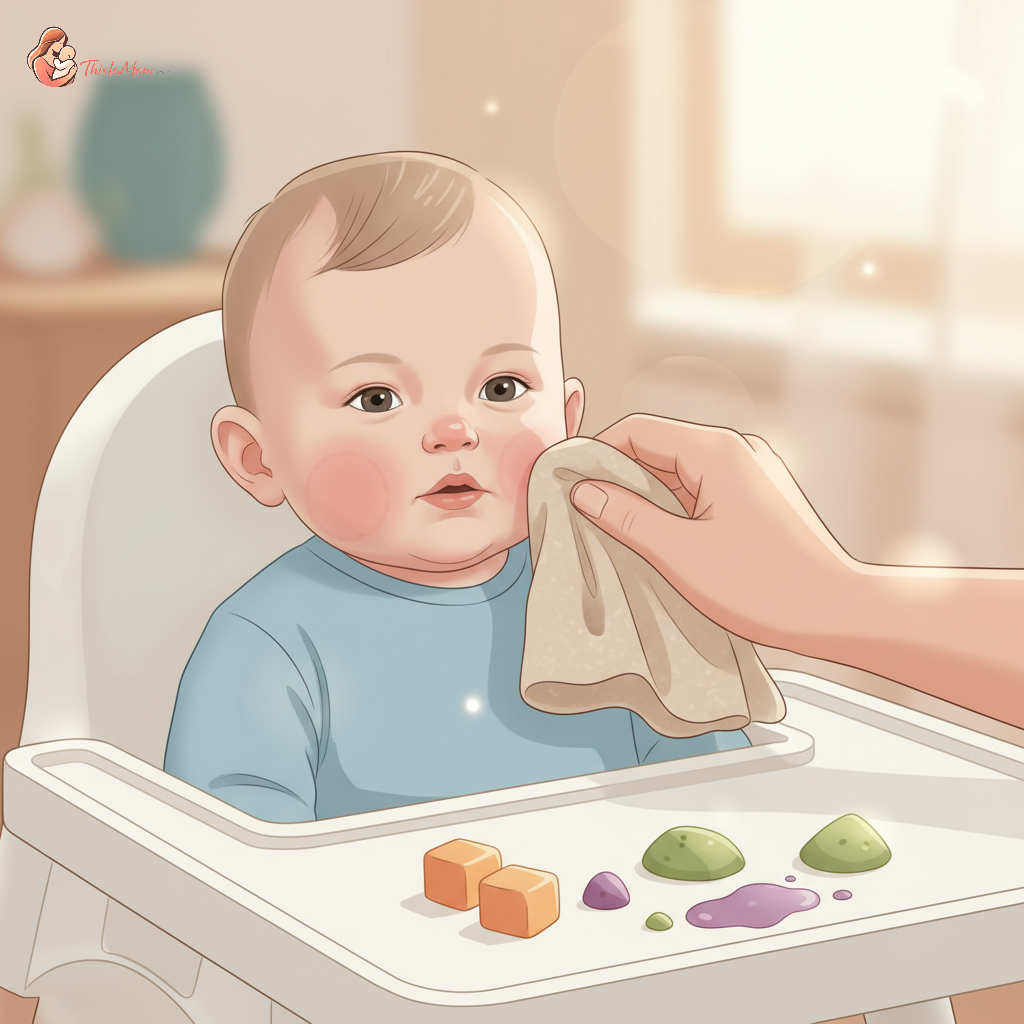
Baby-Led Weaning and Allergy Reactions: Knowing the Signs
Your baby is trying a new food, and you notice a small rash. Should you worry about signs of allergen exposure in baby-led weaning food reactions? This is a common concern for parents introducing solids, especially common allergens. Understanding what to look for and how to respond can help you navigate this exciting, yet sometimes nerve-wracking, stage.
The American Academy of Pediatrics (AAP) and the Centers for Disease Control and Prevention (CDC) emphasize the importance of early allergen introduction to help reduce the risk of developing food allergies. This doesn't mean every baby will be exposed to all allergens immediately. However, delaying introduction isn't typically recommended for most infants without specific risk factors.
Why Early Allergen Introduction Matters for Babies
Research suggests that introducing common allergens like peanuts, eggs, and dairy earlier (often between 4-6 months of age, after your baby has tolerated other solid foods) can actually be protective against developing allergies to those foods. The AAP guidelines highlight that this early exposure, when done appropriately, "may have a beneficial effect on the development of tolerance and prevention of food allergy."
Baby-led weaning (BLW), where babies self-feed appropriately prepared soft finger foods, naturally lends itself to introducing a variety of textures and flavors. When approaching BLW with allergy introduction in mind, the key is to introduce one new potential allergen at a time. This allows you to clearly identify which food might be causing a reaction if one occurs.
Wait a couple of days between introducing new potential allergens to monitor for any adverse reactions. This step is crucial for differentiating between reactions.
Recognizing Mild to Moderate Allergy Signs in Your Baby
Not all reactions are severe. Many times, mild to moderate signs of allergen exposure can appear. It's important to be able to distinguish these from typical infant responses.
Skin Reactions
Skin is often the first place to show a reaction. According to the Mayo Clinic, common signs of a food allergy include skin reactions like:
- Hives: Raised, red, itchy welts that can appear anywhere on the body. They may look like mosquito bites but can spread and merge.
- Eczema flare-ups: For babies with existing eczema, a new food allergen can cause their skin to become redder, itchier, and more inflamed. You might notice dry, scaly patches that are particularly sensitive.
- Rash around the mouth or face: This is common with BLW, especially from acidic foods or simply from the food itself. However, if the rash is itchy, bumpy, or accompanied by other symptoms, it warrants closer attention.
Digestive Discomfort
Your baby's gut can also signal a reaction. Research suggests that gastrointestinal symptoms are common. These might include:
- Vomiting: While babies sometimes spit up, a sudden, forceful expulsion of food shortly after eating a new item could be a sign. For help managing spit-ups, consider reading about how to encourage baby to nap longer than 30 minutes as a calm baby often has fewer digestive issues.
- Diarrhea: Loose, watery stools that occur shortly after trying a new food, especially if it's a significant change from their usual, can indicate a reaction. Your pediatrician might suggest dietary changes, such as managing toddler constipation from cheese if this becomes an issue.
- Stomach pain: You might notice increased fussiness, pulling their legs up towards their belly, or general signs of discomfort that seem linked to eating.
Respiratory Changes
Some mild respiratory symptoms can also occur. It's important to note these are typically less severe than breathing difficulties. The CDC mentions that respiratory symptoms can be part of an allergic response.
- Runny nose or sneezing: Similar to having a cold, but appearing suddenly after eating a new food.
- Mild coughing: A slight cough that isn't persistent or accompanied by distress.
If you observe any of these mild to moderate signs, it's a good idea to stop offering that specific food and monitor your baby.
Spotting Severe Allergic Reactions: When to Act Fast
Some allergic reactions can be life-threatening and require immediate medical attention. Knowing the signs of anaphylaxis is critical. Anaphylaxis is a severe, potentially fatal allergic reaction that can occur rapidly.
Critical Signs and Symptoms of Anaphylaxis
The Mayo Clinic outlines several severe symptoms that require urgent care:
Breathing Difficulties
This is a primary indicator of a severe reaction. Look for:
- Wheezing: A high-pitched whistling sound when your baby breathes, especially during exhalation.
- Shortness of breath: Your baby may appear to be struggling to catch their breath.
- Noisy breathing: Grunting or gasping sounds during respiration.
Swelling
Swelling can occur rapidly and affect vulnerable areas:
- Swelling of the face, lips, or tongue: This can make it difficult for your baby to eat, drink, or even breathe.
- Swelling of the throat: This is a particularly dangerous symptom as it can block the airway.
Cardiovascular Signs
These are signs that the allergic reaction is affecting your baby's circulation and overall stability:
- Paleness or bluish skin color: Reduced blood flow can cause a change in skin tone.
- Sudden weakness or limpness: Your baby may become unusually floppy and unresponsive.
- Loss of consciousness: If your baby becomes unresponsive, seek immediate emergency help.
Discover your baby's phase
If you suspect your baby is experiencing anaphylaxis, call 911 immediately. Do not wait to see if symptoms improve. Time is of the essence in a severe allergic reaction.
What to Do If Your Baby Shows Reaction Signs
Navigating a potential reaction can be stressful. Here's a guide on how to proceed, based on common recommendations.
How to Know If Baby is Having a Reaction to Allergen Food?
The key is timing and consistency. Does the symptom appear shortly after introducing a new food (typically within minutes to two hours)? Is the symptom unusual for your baby? For instance, a new, itchy rash appearing for the first time after trying peanut butter is a red flag.
Immediate Steps for Mild Reactions
If you notice mild signs like a small rash around the mouth or a bit more spit-up than usual:
- Stop offering the suspected food. Set it aside.
- Observe your baby closely. Watch for any new or worsening symptoms.
- Gently wash any food residue from your baby's face and hands.
- Offer breast milk or formula if your baby is interested, as this is usually well-tolerated. If you are considering how to wean from combination feeding or if your baby is only taking a few ounces, focus on safe feeding practices.
- If symptoms are mild and localized (e.g., a small rash that doesn't spread) and your baby is otherwise happy and feeding well, you can often manage at home. However, it's always prudent to consult with your pediatrician.
When to Call 911 or Seek Urgent Medical Care
You should seek emergency medical attention if you observe any of the following:
- Any signs of breathing difficulties (wheezing, shortness of breath, noisy breathing).
- Swelling of the lips, tongue, or throat.
- Signs of anaphylaxis (paleness, weakness, loss of consciousness).
- A widespread, rapidly spreading rash (hives all over the body).
- Persistent vomiting or diarrhea leading to dehydration signs (fewer wet diapers, lethargy).
- You are unsure or concerned about your baby's symptoms.
Documenting the Reaction for Your Pediatrician
If your baby experiences a reaction, whether mild or severe, it's helpful to document it for your pediatrician. This information will aid them in diagnosis and planning. Try to note:
- The suspected food and the amount eaten.
- The time the food was introduced.
- The exact symptoms observed, when they started, and how long they lasted.
- Any actions you took (e.g., gave antihistamine as directed by doctor, called 911).
- Photos of any rashes can be very helpful.
Navigating Common BLW Allergens: Tips for Parents
Introducing the top allergens can feel daunting, but doing so safely is key. The "top 9" allergens in the U.S. that account for most food allergies are milk, eggs, peanuts, tree nuts, soy, wheat, fish, shellfish, and sesame.
Introducing the Top 9 Allergens Safely
The AAP and other health organizations recommend introducing these allergens in age-appropriate forms. For example:
- Peanuts: Offer smooth peanut butter thinned with water or breast milk/formula, or peanut powder mixed into purees. Avoid whole peanuts due to choking hazards.
- Eggs: Serve well-cooked, scrambled eggs.
- Dairy: Offer full-fat yogurt or cheese.
- Wheat: Introduce well-cooked pasta or toast.
Remember the rule of thumb: introduce one new potential allergen every 2-3 days. Observe for reactions before introducing another. If your baby has a reaction, it might be useful to understand the difference between sensitivity formula and gentle formula to discuss with your pediatrician.
Important Considerations for Repeat Exposures
Once a baby has tolerated a specific allergen without reaction, it's important to continue offering it regularly. Research suggests that regular exposure (several times a week) is necessary to maintain tolerance. Removing a previously tolerated allergen can sometimes lead to the loss of tolerance.
Partnering with Your Pediatrician on Food Allergies
Your pediatrician is your most valuable partner in managing food allergies. Open communication is essential.
Discussing Concerns and Family History
Before you even start solids, discuss your baby's feeding plan and any family history of allergies (eczema, asthma, food allergies, hay fever) with your pediatrician. They can help assess your baby's risk and provide personalized guidance. Don't hesitate to bring up any worries you have about signs of allergen exposure in baby-led weaning food reactions. If you are also dealing with a partner's concerns or resentments, resources like dealing with partner resentment about exclusive pumping might offer some communication strategies, though not directly related to food allergies.
Developing a Personalized Allergy Action Plan
For babies at higher risk or those with known allergies, your pediatrician may develop an Allergy Action Plan. This plan outlines:
- Symptoms to watch for.
- Steps to take for mild reactions (including specific medication like an antihistamine, if recommended).
- When to seek emergency care.
- Emergency contact information.
Having this written plan can provide immense peace of mind.
Navigating the world of baby-led weaning and potential food reactions is a journey. By staying informed about the signs, acting calmly and decisively, and working closely with your pediatrician, you can confidently support your baby's exploration of new foods.