Toddler Constipation from Cheese: 7 Remedies & Prevention
Is too much cheese causing your toddler's constipation? Learn how cheese impacts digestion, recognize key signs, and discover 7 gentle remedies and prevention tips.
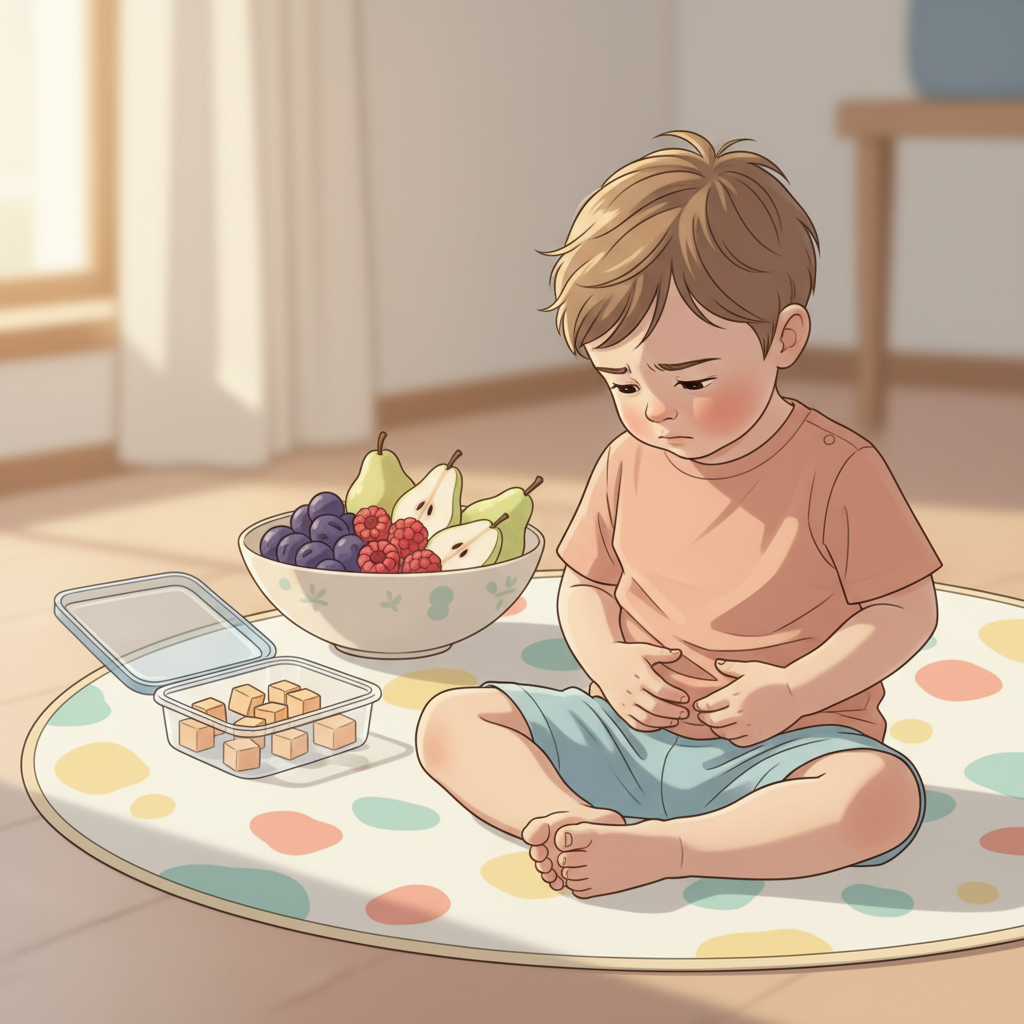
Does All That Cheese Come Back to Haunt You? Managing Toddler's Constipation from Too Much Cheese Intake
Your toddler loves cheese. It’s a staple snack, a topping, and often, a beloved food. But lately, you've noticed… irregularity. Your little one is struggling with bowel movements, and you're wondering if all that cheesy goodness is the culprit. It's a common concern for parents, and understanding how to manage toddler constipation from too much cheese intake is key to a happier tummy and a more comfortable child.
Cheese & Toddler Tummies: Understanding Constipation
Cheese, while a good source of calcium and protein, can be a double-edged sword when it comes to a toddler's digestive system. Many types of cheese are high in fat and low in fiber. When these less-digestible foods dominate a toddler's diet, they can lead to slower transit time in the intestines, resulting in constipation. This is particularly true for toddlers whose digestive systems are still developing and may not be as efficient at processing rich foods.
The American Academy of Pediatrics (AAP) notes that constipation is a common issue in childhood, often related to dietary habits, including the types and amounts of foods consumed.
Why Cheese Can Lead to Constipation in Toddlers
The primary reasons cheese can contribute to constipation are its low fiber and high fat content. Fiber adds bulk to stool and helps it move through the digestive tract more easily. When fiber intake is low, and foods like cheese are frequent, stools can become hard, dry, and difficult to pass. The fat in cheese can also slow down digestion, further contributing to the problem.
Signs Your Toddler is Constipated
Recognizing the signs is the first step. The AAP suggests looking for a decrease in the frequency of bowel movements, along with stools that are hard, dry, or pellet-like. Your toddler might also strain significantly or cry when trying to poop. Besides these, you might observe:
- Infrequent stools: Fewer than three bowel movements per week is a common indicator.
- Painful bowel movements: Your child may resist going to the bathroom.
- Small amounts of liquid stool: Sometimes, liquid stool can leak around a hard, impacted stool.
- Appearing uncomfortable: This can manifest as grunting, arching the back, or holding their position.
- Decreased appetite: Due to feeling full or discomfort.
Gentle Remedies for Cheese-Induced Constipation
If you suspect cheese has led to your toddler’s constipation, gentle dietary adjustments and increased fluid intake are usually the most effective strategies. The goal is to soften the stool and encourage regular bowel movements.
Hydration Heroes: Boosting Fluids
Adequate fluid intake is crucial for preventing and relieving constipation. Water is the best choice. The CDC recommends that children aged 1-3 years drink about 1.3 liters (about 4 cups) of total fluids per day, including water and milk.
- Offer water regularly: Have a sippy cup or water bottle readily available throughout the day.
- Milk intake: While milk is important, too much can sometimes displace water intake or contribute to constipation in some children. Follow your pediatrician’s guidance on appropriate milk amounts.
- Juices in moderation: 100% fruit juices like prune, pear, or apple juice can be helpful due to their sorbitol content, which acts as a natural laxative. However, the AAP recommends limiting juice intake to no more than 4 ounces per day for children aged 1-3.
Fiber-Rich Foods That Really Help
Increasing fiber in your toddler's diet is essential. Aim for whole grains, fruits, and vegetables. For a toddler, this means offering:
- Fruits: Berries, pears, plums, peaches, and apples (with skin for older toddlers) are excellent choices. Prunes are particularly effective.
- Vegetables: Broccoli, peas, beans (like black beans or kidney beans), sweet potatoes, and spinach.
- Whole Grains: Oatmeal, whole-wheat bread, and whole-grain pasta.
Quick Relief Strategies for Discomfort
When your toddler is experiencing discomfort from constipation, a few strategies can offer relief.
- Warm Baths: A warm bath can relax abdominal muscles and ease discomfort.
- Gentle Tummy Massage: Massaging your toddler's belly in a clockwise motion can sometimes help stimulate bowel activity.
- Encouraging Movement: Physical activity helps stimulate the bowels. If your toddler is mobile, encourage them to play and move around.
For immediate relief strategies, the Mayo Clinic suggests ensuring your toddler is getting enough fluids and fiber. When in doubt about active remedies, always consult your pediatrician. You might also want to look into natural fixes when starting solids, as this is a common time for digestive issues to arise.
Balancing Cheese: How to Prevent Future Bouts
Once you've helped your toddler through a bout of constipation, it’s wise to think about how to incorporate cheese more sustainably into their diet. The key is moderation and smart pairings.
Smart Snacking: Portion Control for Dairy
Discover your baby's phase
Instead of offering large portions of cheese as a primary snack, consider smaller amounts. If your toddler enjoys cheese sticks, cutting them into smaller pieces or offering just half can make a difference. Rotate cheese with other healthy snack options, like on-the-go snack pouches without added sugar.
Fiber-Rich Cheese Pairings
When you do offer cheese, try pairing it with fiber-rich foods.
- Whole-wheat crackers with cheese: A classic combination that provides both.
- Apples or pears with a small piece of cheese: Offers fiber and a touch of sweetness.
- Vegetables like broccoli florets or carrot sticks alongside cheese: Introduces essential nutrients and fiber. A diet rich in these iron-rich vegetarian recipes can also be beneficial for overall health.
This approach helps to balance the lower-fiber nature of cheese with foods that promote healthy digestion.
The Importance of a Varied Diet
A diet rich in a variety of fruits, vegetables, whole grains, and lean proteins is the best defense against constipation. Relying too heavily on any single food group, including dairy, can lead to imbalances. Ensuring your toddler experiences a broad range of tastes and textures can support their overall digestive health and prevent future issues. Does cheese make you poop or constipated? It depends on the context of their entire diet.
When to Call the Pediatrician
While many instances of toddler constipation can be managed at home, it’s important to know when to seek professional medical advice.
Recognizing Red Flags
The AAP advises contacting your pediatrician if your toddler experiences any of the following:
- Constipation lasting longer than two weeks.
- Severe abdominal pain.
- Blood in the stool.
- Vomiting.
- Fever accompanying constipation.
- Weight loss or poor weight gain.
- Swollen abdomen.
When Home Remedies Aren't Enough
If you’ve tried increasing fluids and fiber, and implementing these dietary adjustments, but your toddler continues to struggle, it's time to call your pediatrician. They can offer specific guidance and rule out any underlying medical conditions. Sometimes, a child may need a more targeted approach, and your doctor can advise on safe laxatives if necessary.
Understanding Age-Specific Concerns (1, 2, 3 Year Olds)
Toddler constipation when to worry can vary slightly with age, though the general signs remain similar. For very young toddlers (around 1 year old), a sudden change in bowel habits or significant distress during elimination warrants prompt attention. As they approach 2 and 3 years old, you might also consider toilet training influences, as fear of pain can sometimes lead to stool withholding, exacerbating constipation. Your pediatrician is the best resource for age-specific advice. If your toddler refuses to stand after falling, it might be related to fear or injury, and seeking guidance is important.
Easing Discomfort & Making Mealtimes Easier
Dealing with a constipated toddler can be stressful for both of you. Focus on gentle support and positive mealtimes.
Comfort Measures for a Constipated Toddler
Beyond dietary changes, comforting your toddler is important.
- Cuddles and reassurance: Acknowledge their discomfort and offer comfort.
- Allowing time: Don't rush them on the potty or in the diaper. Give them space and privacy if they seem to prefer it.
- Following pediatrician’s advice: If a specific home remedy or gentle exercise is recommended, make it a routine.
Keeping Mealtimes Positive
Avoid turning mealtimes into a battleground over food. If your toddler is experiencing constipation due to cheese, you can gently steer them towards other options without making a fuss about it.
- Offer a variety of healthy foods: Present choices that are naturally high in fiber.
- Don't force them to eat: Offer, but don't insist.
- Model healthy eating: Let your toddler see you enjoying fruits, vegetables, and whole grains.
Making mealtimes a positive experience helps foster a healthy relationship with food, which is beneficial long-term. Occasionally, a toddler constipation quick relief can be achieved by simply removing the offending food group for a temporary period and reintroducing it slowly. For parents, maintaining a consistent routine across daycare and home can help with overall child management.