Baby Only Falls Asleep Nursing? 7 Gentle Ways to Shift
Is your baby only falling asleep nursing at night? Find gentle, step-by-step strategies to shift this pattern, encourage independent sleep, and protect your bond.
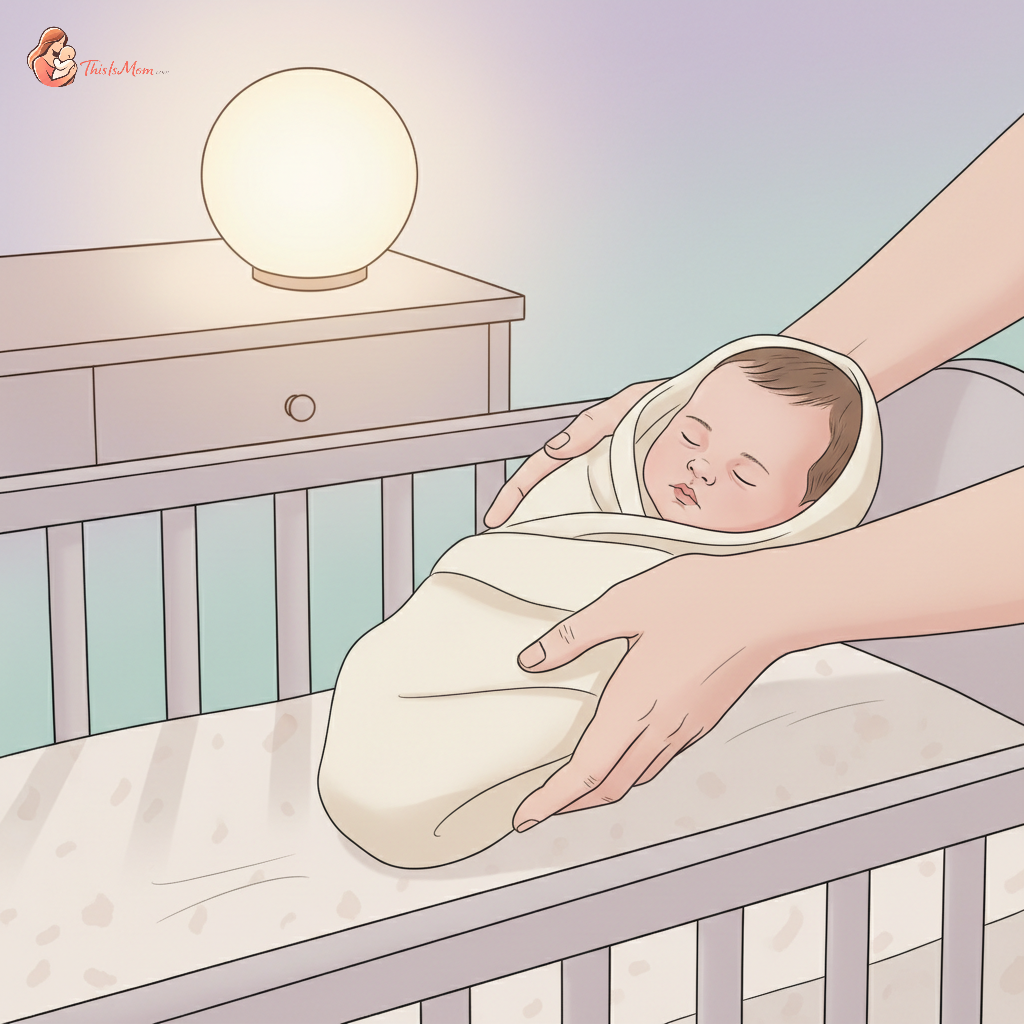
Baby Only Falls Asleep Nursing? Gentle Ways to Shift
It was 2:17 a.m. when I stumbled out of Noah's room for the third time that night. He'd nursed, fallen asleep in my arms, and then woken the moment my feet touched the floor when I tried to put him down. Again. The silence of our Brooklyn apartment felt heavy, broken only by my own tired sighs. I looked at my phone, knowing my husband was fast asleep, and a familiar thought crept in: "My baby only falls asleep nursing at night, and I really need to stop this cycle, but how?"
We've all been there, right? That sweet, drowsy nursing session that ends in a perfectly peaceful baby… until it doesn't. The truth is, nursing to sleep is incredibly common for a reason. It's a beautiful, instinctual bond.
Why Our Babies Love Nursing to Sleep (And Why It's Okay... For Now)
Honestly, this whole "falling asleep while nursing" thing is biologically perfect. When a baby nurses, they release oxytocin, sometimes called the "love hormone." It's calming for both mama and baby. Plus, milk is literally packed with tryptophan and other sleep-inducing compounds. It's nature's lullaby and sleep aid all in one.
So, should you stop nursing if your baby falls asleep? Look, if it's working for everyone right now, and you're not feeling drained or resentful, then please, don't stress about it. Every baby and every family is different.
Do babies naturally grow out of feeding to sleep? Some do! As they get older, their sleep patterns mature, and they might not need that direct association as much. Others, though, can get pretty stuck in the habit. It really varies.
When 'Need to Stop' Becomes Your Reality
But then there are those nights. The ones where you're running on fumes. You're wondering if you'll ever get more than a two-hour stretch of sleep. And maybe, just maybe, you realize that the "wake up when put down" scenario is becoming your norm. This is particularly tough when you are trying to manage 4 month sleep regression without cry it out methods.
When you start dreading bedtime, or when your baby's sleep needs are clearly not being met (or yours aren't!), that's a sign. It's not about you being a "bad" mom or doing something wrong. It's about finding what works for your family's well-being.
My baby falls asleep while nursing at night – and wakes up the second he touches the crib. This was my anthem for months. It's utterly exhausting. You're not alone if this feels like your perpetual reality.
Gentle Steps to Shift from Nursing to Sleep at Night
Okay, so you've decided it's time. Taking that first step can feel huge, but we're going to do this gradually. The goal here is to preserve that precious breastfeeding bond while gently nudging your little one toward independent sleep.
When's the Right Time to Start?
There's no magic age, and honestly, you'll know when it feels right. Many experts suggest waiting until after 4-6 months, when babies have a more developed sleep cycle. And make sure you're not starting this during a big developmental leap, a teething episode, or when you're dealing with other big disruptions. Pick a time when things are relatively calm, perhaps not during daylight saving time changes.
The 'Feed, Then' Approach: Breaking the Association
This is key to weaning baby from nursing to sleep. Instead of nursing until they're completely out, try gently unlatching them when they're drowsy but still awake.
- Feed earlier in the bedtime routine. Nurse, then have some quiet cuddle time, read a story, or sing a song. You're breaking the direct link between nursing and sleep.
- Have Daddy or another caregiver take over after the feeding. This helps when you're trying to figure out how to get your baby to stop nursing to sleep at night. For help with this, consider your co-sleeping safety guidelines for newborn parents.
Introducing Other Sleep Associations for Your Baby
Once they're unlatched, you can introduce other comforting sleep cues. This is where gentle sleep training while breastfeeding comes into play.
- A soothing song or shushing: Your voice can be incredibly calming.
- Gentle rocking or patting: Once they're in their crib or bassinet.
- A lovey or pacifier: If they use one, this can be a wonderful comfort object.
- White noise: A consistent, soothing sound can block out household noises.
How Do I Get My Baby To Stop Nursing to Sleep at Night?
Discover your baby's phase
Patience is your superpower here. It's not an overnight fix. Some nights will be easier than others. The consistent message is: "You are loved, you are safe, and you can sleep now."
Don't be afraid to make small, gradual changes. If nursing has always been the very last thing before sleep, try shifting the feeding to earlier in the routine. Then, gradually extend the awake time between the feed and sleep.
Navigating Night Wakings Without the Breast
The night wakings will come, and that's where consistency truly shines. Your baby will likely still wake, but now your response is different.
Comfort Without Calories: Soothing Strategies
When your baby stirs, offer comfort using methods other than nursing, at least initially.
- Patting and shushing: Stay close and offer verbal reassurance.
- A quick cuddle: Hold them until they're calm, then place them back in their crib.
- Offer a pacifier: If they're pacifier users.
- If they truly need feeding: This is a tricky one. Some moms decide to offer a feeding if it's been a significant time since the last one, but the goal is to have them back asleep in their own space afterward. This is where you learn your baby's hunger cues versus comfort cues.
Patience and Consistency: The Secret Ingredients
This is the part that tests everyone. You might have a few rough nights. There might be crying. It's hard, I know. But if you remain consistent with your approach, your baby will start to understand the new routine. If your baby is suddenly waking every hour, understanding the causes can help you prepare and respond appropriately 8-month-old waking every hour? causes & gentle solutions.
You might also want to explore safe swaddle alternatives for rolling 3-month-olds while trying to establish new sleep habits.
What Age Should a Baby Stop Nursing at Night?
Pediatricians and the AAP generally agree that by 6 months, most babies don't need night feedings for nutrition. However, "need" is different from "habit." Many babies continue to nurse at night out of comfort or habit well past a year. There's no hard rule, but if you're ready to transition, you can start working on it once your baby is over 4-6 months and has a good weight gain history.
Protecting Your Supply & Your Bond During the Transition
This is a big one for breastfeeding moms. We're worried about our supply, and we're worried about losing that intimate connection.
Keeping Daytime Nursing Sacred
Shift your focus. Make daytime nursing sessions extra special. Really be present, make eye contact, and enjoy the quiet moments. This helps reinforce that nursing is for connection, not just sleep. When you're not focusing on "how to stop nursing to sleep," you can really lean into the daytime feeds.
Addressing Engorgement While Baby Adjusts
As your baby nurses less at night, you might feel engorged.
- Hand express or pump a little: Just enough to relieve the pressure. Don't pump to empty, as this can signal your body to make more milk.
- Cold compresses: Can help soothe and reduce swelling between feeds.
- Cabbage leaves: Some moms swear by this. Make sure they're cold.
Self-Care for You: It's a Marathon, Not a Sprint
Honestly, this whole transition is exhausting. You're managing your own needs and your baby's changing needs. It's crucial to take time for yourself, even if it's just for five minutes. Consider pelvic floor therapy exercises for naptime moms while your baby sleeps.
- Hydrate and eat well: Fuel your body.
- Ask for help: Your partner, family, friends – let them step in.
- Lower your expectations: Some days will be a win, some will be a struggle. That's okay.