8-Month-Old Waking Every Hour? Causes & Gentle Solutions
Is your 8-month-old suddenly waking every hour again? Understand the 5 common reasons – from developmental leaps to separation anxiety – and find gentle strategies to restore sleep.
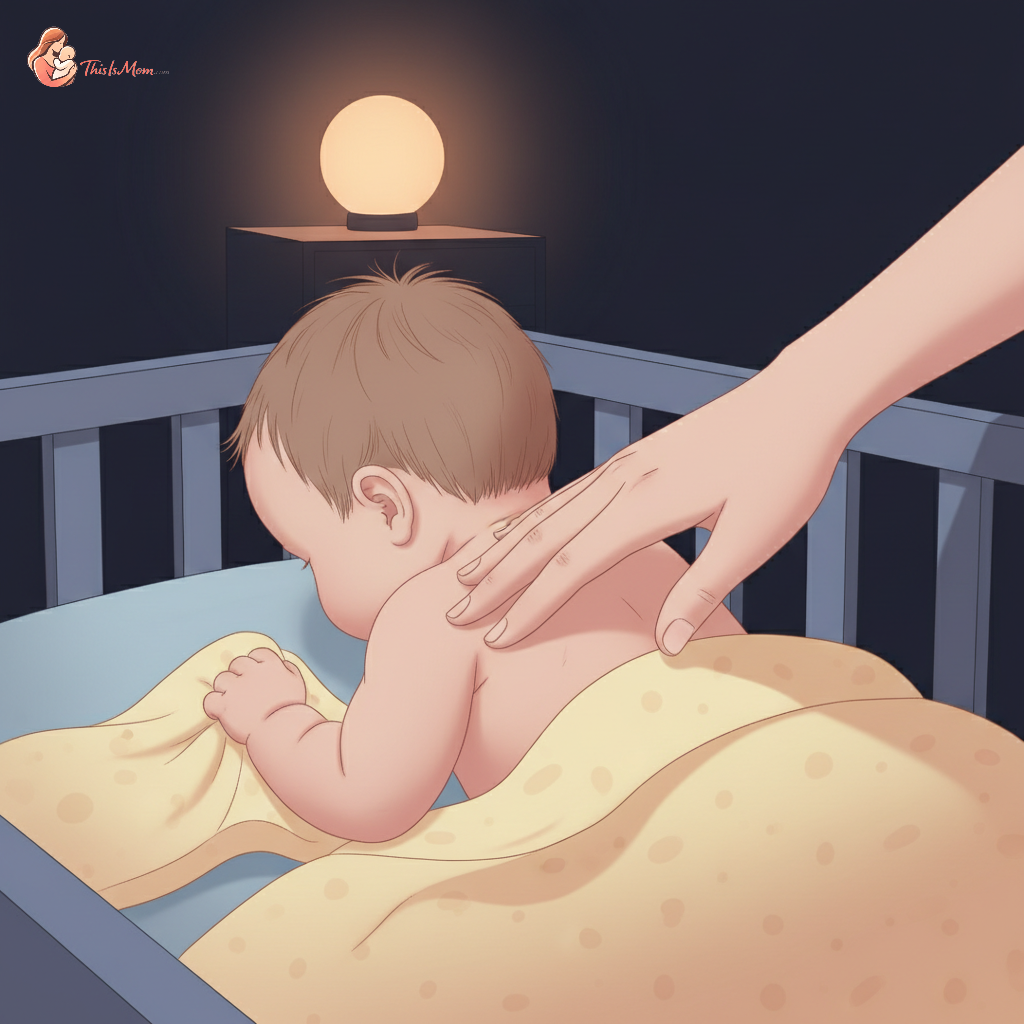
Why is My 8-Month-Old Suddenly Waking Every Hour Again? Your Guide to Survival
It’s 3:00 AM. Again. Your sweet baby, rocked to sleep for the tenth time, is suddenly wide awake and crying. With eyes feeling like sandpaper, you stumble to the crib, silently wondering, "Why is my 8-month-old suddenly waking every hour again?"
You are not alone. This is a classic, and often brutal, chapter in the parenting journey.
You're Not Alone: Understanding 8-Month Sleep Changes
If you're experiencing this, the term "sleep regression" might feel like a cruel joke. It implies a temporary setback, but when you're living it, it feels like your entire sleep pattern has been permanently dismantled.
So, what is this infamous 8-month sleep regression? It's a period where babies who might have been sleeping relatively well suddenly start waking up frequently throughout the night. It can feel like they've forgotten everything they learned about sleeping.
The reason your 8-month-old is suddenly waking every hour at night is usually a constellation of factors. Their tiny brains are undergoing significant development, their bodies are changing rapidly, and they're becoming more aware of the world – and their distance from you – than ever before.
The 'Why': Common Culprits Behind Hourly Wakings
If you’re trying to pinpoint the exact cause, it’s often a blend of factors. Think of it as a perfect storm brewing in your nursery.
Developmental Leaps and Bounds (Hello, Crawling!)
At eight months, many babies are on the cusp of, or fully engaged in, major milestones. Crawling, pulling up to stand, cruising furniture – these are exhilarating new skills.
Sometimes, babies get so excited practicing their new moves that they wake up at night and try to do them in the crib. It’s like their brain is saying, "Let's practice rolling over at 2 AM!" It can be challenging to settle back down when you’re buzzing with newfound abilities.
Teething Troubles: A Painful Distraction
Ah, teething. The bane of many a parent’s existence. Those little pearls of joy pushing through gums can be incredibly painful for babies.
This pain can easily disrupt sleep, leading to more frequent awakenings. You might notice increased fussiness, drooling, and red cheeks alongside the night wakings. It’s a brutal, albeit temporary, disruption.
Separation Anxiety and the 8-Month Crisis
This is a big one. Around this age, babies start to understand object permanence – they know you exist even when you're not in the room. This can trigger significant separation anxiety.
Being separated from you, even for a few minutes, can suddenly feel terrifying. So, when they wake up in the night and you're not there, it’s a distressing experience. This is often referred to as the 8-month crisis sleep, and it’s a very real challenge.
Changes in Routine or Environment
Did you just start a new daycare? Take a trip? Maybe even just moved a crib from one side of the room to the other? Babies thrive on predictability. Any significant change to their environment or daily schedule can throw them off, impacting their sleep.
Even something as simple as a growth spurt means they might be hungrier overnight. For parents dealing with these changes, understanding how to find reputable backup childcare for sick days or how to manage your toddler cries at daycare drop off after 6 months can be crucial.
Is It More Than Just a Regression? When to Check In with Your Pediatrician
While sleep regressions and developmental leaps are common, it’s always wise to trust your gut. If your baby’s sleep issues seem exceptionally severe or are accompanied by other symptoms, it's time to call in the pros.
Signs Your Baby Might Be Unwell
Always err on the side of caution. If your baby is displaying any of these, don't hesitate to reach out to your pediatrician.
- Fever
- Lethargy (unusually sleepy, unreactive, or generally "off")
- Changes in feeding (significant decrease in appetite or difficulty feeding). If solids are new, understanding how many ounces of breast milk your 6-month-old needs before starting solids might be relevant, but persistent issues warrant a doctor's visit.
- Concerning rashes (especially if spreading or accompanied by fever)
- Persistent vomiting or diarrhea (could lead to dehydration)
Discover your baby's phase
What Are the Red Flags for 8-Month-Old Babies?
Beyond general illness, there are specific subtle signs to watch for that might indicate something more is going on than just a typical sleep struggle.
- Extreme fussiness that doesn't improve with comfort: While babies fuss, constant, inconsolable crying can be a sign something is wrong.
- Signs of pain beyond teething: If your baby seems to be in constant pain, even when not teething.
- Significant weight loss or failure to gain weight: This is something your pediatrician monitors closely.
- Difficulty breathing.
Your pediatrician can help rule out any underlying medical issues and provide tailored advice.
Gentle Strategies to Encourage Longer Stretches of Sleep
Navigating this phase is tough for everyone. The good news is there are strategies that can help ease the transition. The goal isn't to force sleep, but to create an environment and routine that supports it.
Optimizing the Sleep Environment
Make your baby's room a true sanctuary for sleep.
- Darkness is Key: Ensure the room is as dark as possible. Blackout curtains can be a game-changer.
- White Noise: A consistent, low-volume white noise machine can help mask household sounds and create a calming atmosphere.
- Comfortable Temperature: Keep the room at a comfortable temperature, not too hot and not too cold.
Consistent Bedtime Routines
Babies thrive on routine. A predictable, calming sequence of events before bed signals to your baby that it's time to wind down. This might include:
- A warm bath
- Putting on pajamas
- A quiet story or lullaby
- A final feeding and cuddle
- Into the crib, drowsy but awake
The key is consistency. Do it the same way every single night. For those struggling with sleep associations, gentle tips for baby nap refusal at 6 months without crying can offer parallel strategies for daytime.
Nurturing Sleep Associations
What does your baby associate with falling asleep? Ideally, it’s their crib. If they always fall asleep being rocked or fed, they will need that same prop to fall back asleep every time they stir.
Work towards having them fall asleep drowsy but awake in their crib. This gives them the opportunity to practice self-soothing. This is a key part of handling your 1-year-old fighting pacifier at night as well, focusing on developing independent sleep skills.
Responding to Night Wakings: Feed or Comfort?
This is a nuanced point. At eight months, most babies don't need to eat every few hours overnight for nourishment, unless advised otherwise by your pediatrician. However, night wakings can still be driven by genuine hunger or simply a need for comfort. Observe your baby's cues. For parents needing to navigate feeding transitions, understanding how many ounces of breast milk your 6-month-old needs before starting solids can be helpful context.
If they seem genuinely hungry, a feeding is appropriate. If they are just stirring, a quiet pat, a gentle shush, or a brief reassurance might be enough to help them resettle. It’s about finding a balance that works for your family and honors your baby’s needs while supporting better sleep habits. Some parents find that gradually reducing feeding duration or frequency can help.
Navigating the Regression for You and Your Baby
Let's be real: this is exhausting. You're running on fumes, and your baby is likely more clingy and fussy than usual. This phase is as hard on you as it is on them. Engaging with AI companion robots for children and their risks or figuring out when to stop watching Baby Einstein might seem like distant concerns, but managing screen time is part of a larger picture of supporting development.
Prioritizing Your Own Rest (Yes, Really!)
I know, I know. How can you possibly prioritize rest when your baby is waking every hour? It sounds impossible. But even small moments count. If your partner can take a night shift, even for a few hours, do it. Sleep when the baby sleeps, even if it’s just a 20-minute power nap. Lower your expectations for everything else. Housework can wait. Your sanity cannot.
Consider techniques like military breathing to stop parenting burnout for quick relief.
Seeking Support from Your Village
Don't try to do this alone. Lean on your partner, your family, your friends. Accept help when it's offered. Talk to other parents who have been through it. Sometimes, just knowing you're not the only one struggling with midnight wake-ups and the sheer exhaustion of these common 8-month sleep regression signs can make all the difference.