Safe Swaddle Alternatives for Rolling 3-Month-Olds
Is your 3-month-old rolling? Discover safe swaddle alternatives like sleep sacks and transition swaddles for secure, peaceful sleep while prioritizing safety.
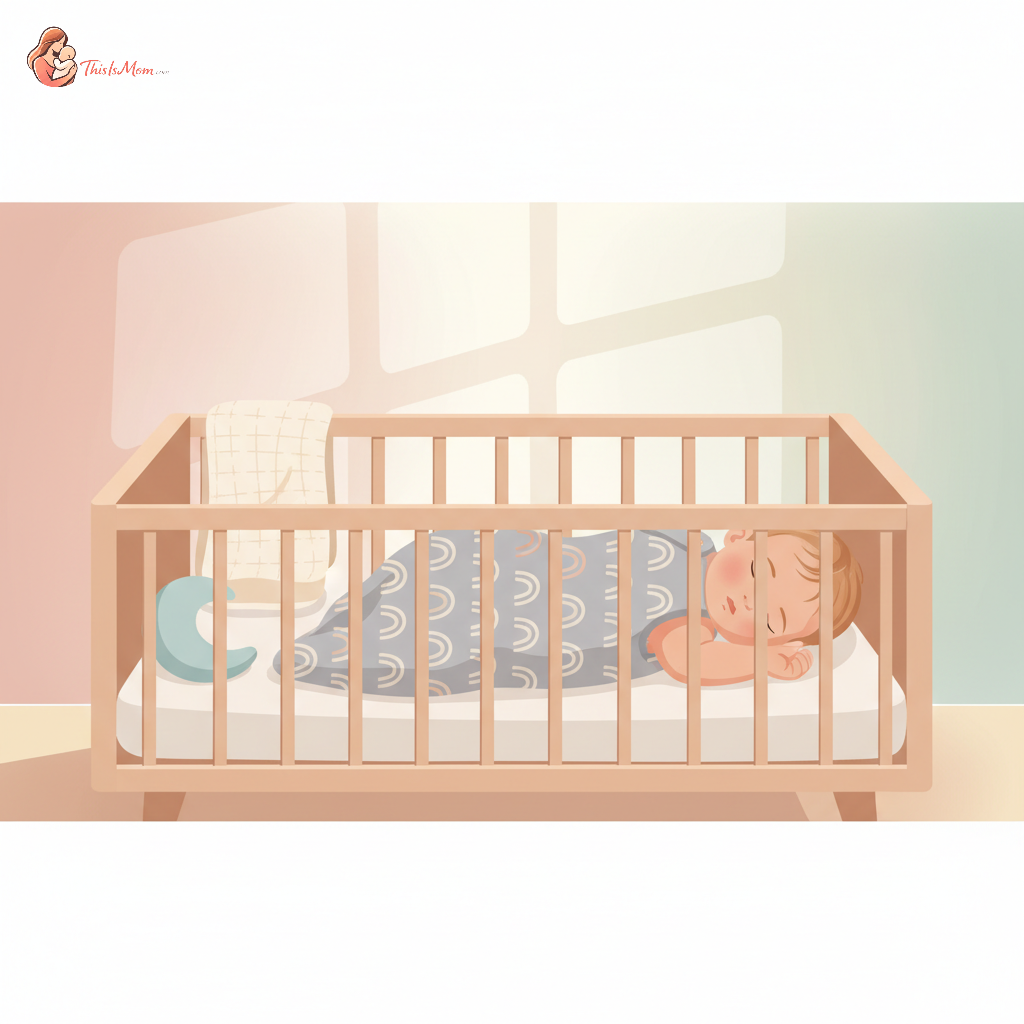
Safe Swaddle Alternatives for Rolling 3-Month-Olds: A Guide
Is your 3-month-old starting to show signs of rolling over? That beloved swaddle might suddenly be out! This common developmental milestone brings a critical safety question: what are the safe swaddle alternatives for rolling over 3 month olds when the traditional swaddle is no longer an option?
This transition can feel overwhelming, but understanding the guidelines and exploring the available options can make it much smoother. The key is to prioritize safety while ensuring your baby still feels secure enough to drift off to sleep.
The Big Roll: Why Swaddling Becomes Unsafe
As your baby develops, so do the recommendations for safe sleep. What once was a comforting cocoon can quickly become a safety hazard once your little one gains new mobility.
Understanding AAP Safe Sleep Guidelines
The American Academy of Pediatrics (AAP) provides clear recommendations for creating a safe sleep environment for infants. These guidelines are designed to reduce the risk of Sudden Infant Death Syndrome (SIDS) and other sleep-related infant deaths.
At the core of these guidelines is the instruction to place babies on their backs on a firm, flat sleep surface. The AAP also emphasizes keeping the crib free of soft bedding, pillows, and loose blankets, which can pose suffocation risks.
Signs Your 3-Month-Old is Ready to Roll (and Stop Swaddling)
Around the 3-month mark, babies often begin mastering new motor skills. While not all babies will roll at precisely three months, many start showing precursor movements.
Look for these signs:
- Pushing up on their arms during tummy time.
- Arching their back or wiggling to shift positions.
- Momentary partial rolls (from tummy to back or back to tummy).
The guidelines state to discontinue swaddling as soon as your baby shows any sign of being able to roll over. This is because the swaddle can impede their ability to reposition themselves if they get stuck on their stomach.
Why Swaddling a Rolling Baby is Dangerous
When a baby is swaddled tightly, their arms are typically held close to their body. If a baby who can roll over gets onto their stomach while swaddled, they can't use their arms to push up or turn their head.
This inability to move freely can lead to rebreathing of exhaled air, increasing the risk of suffocation and SIDS. The AAP strongly advises against swaddling any infant who shows signs of attempting to roll.
Top Safe Swaddle Alternatives for Rolling Babies
Once swaddling is no longer safe, the search for alternatives begins. The goal is to replicate the feeling of security without restricting movement in a way that could be dangerous. Several options are widely recommended by sleep experts and align with safe sleep practices.
Wearable Blankets and Sleep Sacks: The Gold Standard
Wearable blankets, often called sleep sacks, are a highly recommended swaddle alternative for rolling baby. They are essentially sleeveless sleeping bags made of fabric that your baby wears over their pajamas.
Sleep sacks offer several benefits:
- They keep babies warm without the risk of loose blankets.
- They allow for freedom of movement in the arms and legs.
- They come in various weights and materials for different temperature needs.
The AAP supports the use of sleep sacks as a safe alternative to loose bedding. They provide a way to keep a baby cozy while adhering to safe sleep recommendations.
Transition Swaddles: What They Are and How They Work
Transition swaddles are designed to help babies gradually move away from the traditional arm-swaddling experience. These products often allow for arms to be released or have features that mimic the gentle pressure of a swaddle.
Some transition swaddles might have features like:
- Removable arm sleeves.
- Zippers or Velcro that can be adjusted.
- A looser fit around the baby's torso.
These products can be a useful tool for babies who are used to being snug but need to start sleeping with their arms out. The key is to ensure they are not so restrictive that they would pose a problem if the baby rolled over.
Exploring Arms-Out Sleepwear (like Zipadee-Zip, Merlin's Magic Sleepsuit)
Beyond traditional sleep sacks, there's a category of sleepwear designed to provide comfort and security without fully swaddling. Products like the Zipadee-Zip and the Merlin's Magic Sleepsuit fall into this category.
The Zipadee-Zip is a star-shaped wearable blanket that keeps a baby's arms from flailing while still allowing for freedom of movement. It offers a snug feeling without restricting rolling.
Discover your baby's phase
Important note: The Merlin's Magic Sleepsuit is a padded garment designed to provide gentle pressure and soothe the startle reflex. However, the AAP does not recommend padded sleep suits for infants due to potential overheating and restricted movement. It's crucial to transition out of it once a baby shows signs of rolling.
When considering these products, always verify that they comply with current safe sleep recommendations. Avoid anything that restricts movement or could create a suffocation hazard.
Transitioning Your 3-Month-Old to Unswaddled Sleep
Moving from a swaddle to unswaddled sleep can be a significant adjustment for both baby and parents. Patience and consistency are your best allies during this period.
How to Put a 3-Month-Old to Sleep Without a Swaddle
The core principle is to create a safe and comforting sleep environment. Instead of the swaddle, focus on other elements that promote sleep.
Start by ensuring the room is dark and quiet, or use white noise. Dress your baby in appropriate sleepwear, such as a sleep sack.
For babies who are used to the feeling of being held, try offering a pacifier for comfort if you haven't already introduced one. Gentle tips for baby nap refusal at 6 months without crying can be helpful, even at this younger age, as establishing good sleep habits early is beneficial.
The goal is to help your baby learn to self-soothe without the external restraint of a swaddle. This takes time, and there will likely be nights with more wake-ups.
One Arm Out or Cold Turkey? Finding Your Baby's Way
When it comes to ditching the swaddle, there are a couple of common approaches. Your baby's temperament and how attached they are to the swaddle will help guide your decision:
- The "One Arm Out" Method: For some babies, you can gradually transition by unswaddling one arm a night or every few nights. Once they are comfortable with one arm out, you can then try unswaddling the second arm. This can be a gentler approach for babies who are very accustomed to being fully swaddled.
- Cold Turkey: Other babies may adjust more quickly to simply sleeping without the swaddle altogether. This approach can sometimes be more effective if the "one arm out" method is leading to more disruptions because the baby is flailing their free arm.
There's no single perfect method for every baby. Observe your child's cues. If they are consistently waking up due to their startle reflex with one arm out, it might be better to go cold turkey.
Creating a Sleep-Friendly Environment
Regardless of your transition method, a supportive sleep environment is crucial. Think about:
- Temperature: Ensure the room is at a comfortable, slightly cool temperature (typically 68-72°F or 20-22°C). Overheating can disrupt sleep and is a SIDS risk factor.
- Darkness: A dark room helps regulate melatonin production, which is essential for sleep. Blackout curtains can be very effective.
- White Noise: A consistent, low-level white noise machine can mask sudden household sounds and create a calming atmosphere.
A predictable bedtime routine is also a key component of fostering good sleep habits.
Comfort Beyond the Swaddle: Soothing Techniques for Sleep
The swaddle often provides a sense of security. When transitioning, finding other ways to offer comfort and reassurance is important for your baby’s sleep.
Maintaining Sleep Comfort Without Restraint
The key is to offer comfort through touch and presence rather than physical restraint.
- Comforting Touches: Gentle back rubs or patting can be very soothing.
- Pacifier Use: If you choose to use a pacifier, offer it when your baby seems unsettled. Handling a 1-year-old fighting the pacifier at night may seem premature, but understanding sleep associations is always relevant.
- Proximity: Sometimes, just being near your baby, in the same room, can provide comfort.
Responsive caregiving, even during sleep, builds trust and can help babies feel secure as they learn new sleep skills.
Establishing a Consistent Bedtime Routine
A predictable routine signals to your baby that it’s time to wind down and prepare for sleep. This can include a warm bath, a quiet feeding, a lullaby, and cuddles.
Keep the routine short, usually no more than 30 minutes, and perform it in the same order each night. This predictability helps calm your baby and creates positive sleep associations beyond the swaddle.
When to Call the Pediatrician
While most developmental milestones are normal and exciting, it's always wise to know when professional guidance is needed.
Consult your pediatrician if:
- Your baby is experiencing prolonged periods of significant fussiness or difficulty settling.
- You have concerns about your baby’s overall health and development.
- You are struggling to implement safe sleep practices or are feeling overwhelmed by sleep challenges.
- Your baby has a fever or shows any signs of illness.
Your pediatrician is your best resource for personalized advice regarding your child's specific needs and development.